
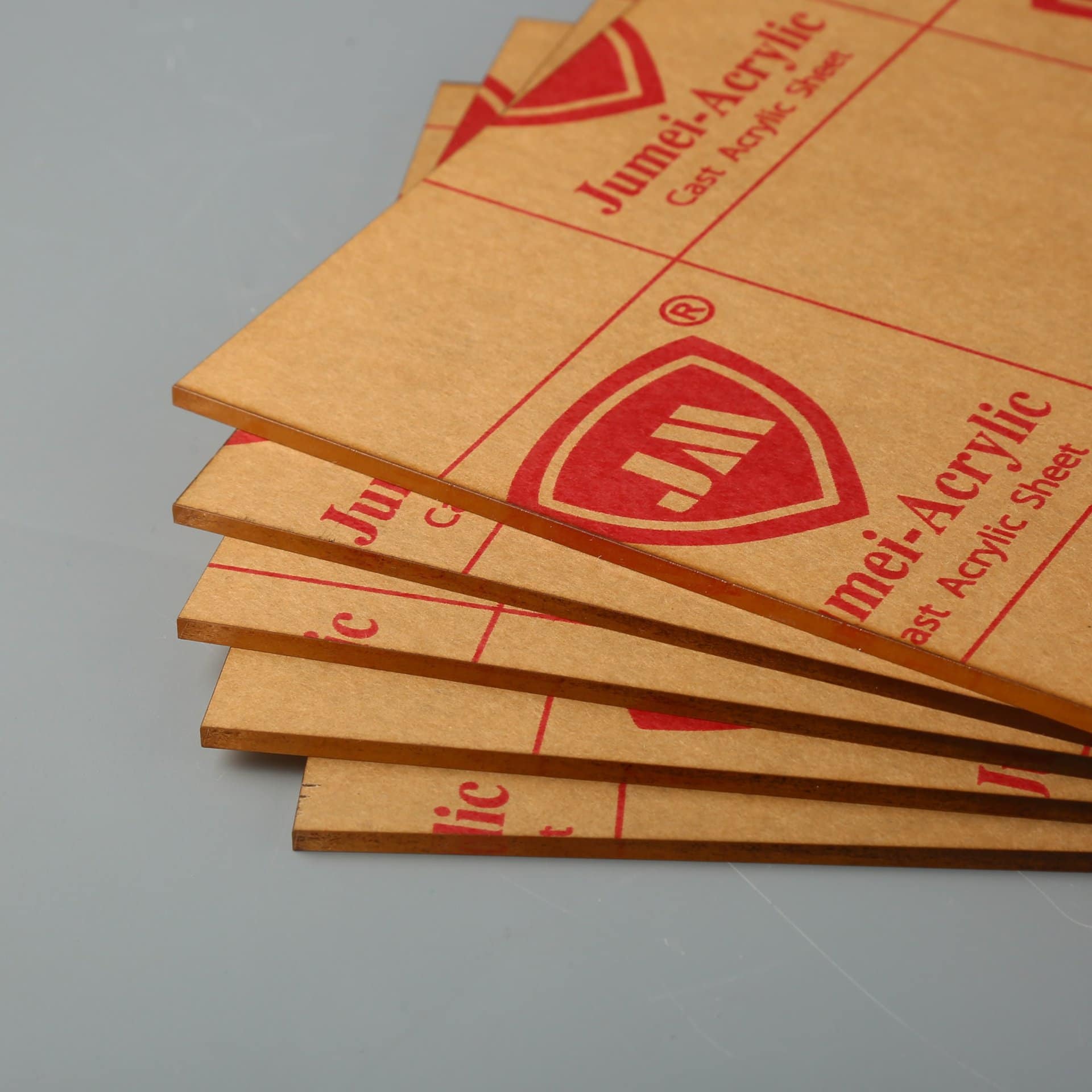
When sourcing acrylic sheets for industrial applications, buyers often focus on price, clarity, or whether the material is cast or extruded. However, one critical factor is frequently overlooked: thickness tolerance.
In real production environments—whether for signage fabrication, CNC machining, LED light boxes, or display systems—even small variations in sheet thickness can create major downstream problems. Cutting depth may vary, assembly gaps may appear, and material waste can increase unexpectedly.
Understanding acrylic thickness tolerance is not just a technical detail. It is a production efficiency issue. In this article, we explain what thickness tolerance means, how it affects processing, and why consistency should be a key part of your supplier evaluation.
What Is Acrylic Sheet Thickness Tolerance?
Thickness tolerance refers to the acceptable variation between the nominal (stated) thickness of an acrylic sheet and its actual measured thickness.
For example, if a sheet is specified as 3.0 mm thick, the real thickness may vary slightly above or below that value within a defined range. This variation is normal in manufacturing. The key question is not whether variation exists—but how well it is controlled.
Certified acrylic sheets meet recognized industry standards for thickness tolerance, providing assurance of quality and reliability to industrial buyers.
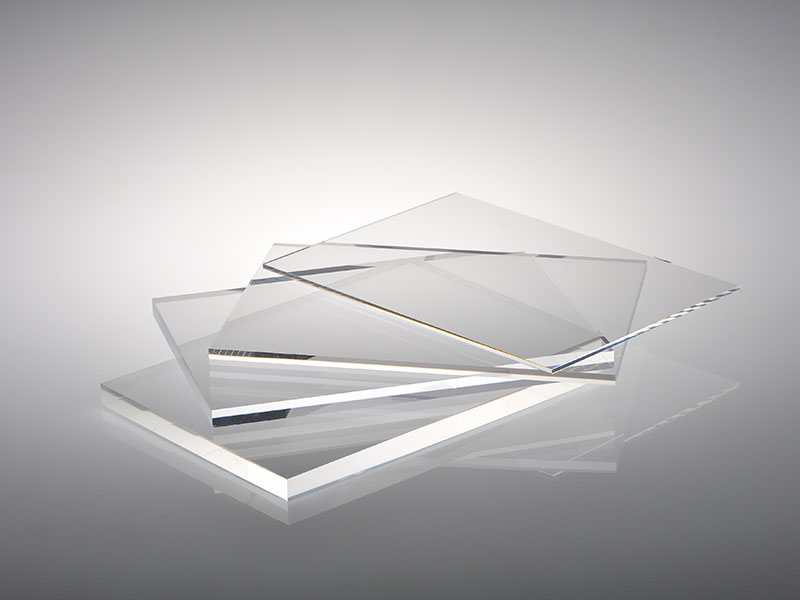
Why Tolerance Exists
No industrial production process can achieve absolute zero variation. Factors such as temperature control, material flow, equipment precision, and cooling conditions all influence the final sheet thickness. That is why acrylic standards define acceptable tolerance ranges.
For industrial buyers, tolerance should be viewed in practical terms:
- How much variation can your production process handle?
- Will slight deviations affect machining accuracy?
- Is the variation consistent across the entire batch?
Thickness tolerance is not just a number on a specification sheet—it determines how predictable your fabrication process will be. The advantages of tight thickness tolerance include improved production efficiency, reduced material waste, and higher quality finished products, all of which are important considerations for industrial buyers.
How Thickness Variation Affects Processing
Thickness variation directly impacts fabrication, especially in automated or precision-based production environments. Automation solutions, such as electronic purchase orders, EDI systems, and Industry 4.0 initiatives, depend on consistent material thickness for optimal performance.
Buyers increasingly rely on AI-enabled tools, data visualization, and advanced analytics to monitor supply chain visibility and optimize procurement processes, all of which are affected by material consistency.
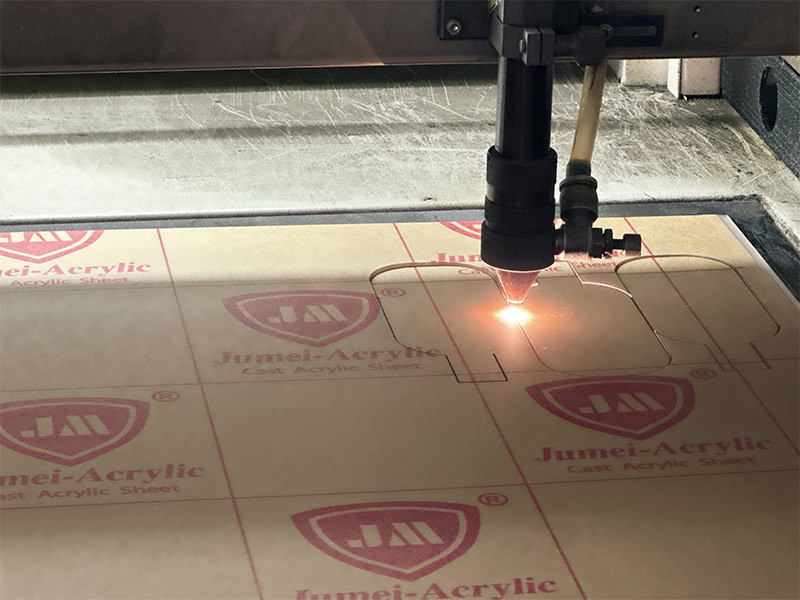
1. Laser Cutting Acrylic
Laser cutting requires consistent focus and calibrated cutting depth. When sheet thickness fluctuates:
- Cutting edges may become uneven
- Excessive burning or melting may occur
- Incomplete cuts can appear in certain sections
Even minor deviations can require machine recalibration, slowing down production and increasing labor time.
2. CNC Acrylic Machining
In CNC machining, tool paths and depth settings are programmed based on expected material thickness.
If sheets vary:
- Engraving depth becomes inconsistent
- Surface finishing quality declines
- Mechanical fit between components may be compromised
Tolerance stacking can occur when multiple pieces are assembled together, amplifying small variations into visible alignment issues.
3. Assembly and Installation
In signage systems or display structures, thickness consistency affects:
- Frame fitting
- Panel alignment
- Structural stability
Uneven thickness may result in visible gaps, uneven pressure distribution, or additional manual adjustment during installation.
For production managers, these issues translate into:
- Higher scrap rates
- Increased rework
- Delayed project timelines
Project Management Considerations When Specifying Acrylic Sheets
Effective project management is essential when specifying acrylic sheets for any application, from custom signage to high-impact displays. IBC distributor members and independent distributors are invaluable partners in this process, offering access to a broad portfolio of quality acrylic materials tailored to your project’s unique requirements. By collaborating closely with these distributor members, businesses can evaluate the total cost, durability, and performance of different acrylic options, ensuring the perfect solution for both indoor and outdoor environments.
A well-structured project management approach involves clear communication with suppliers, careful selection of thicknesses, finishes, and colors, and a focus on delivering custom solutions that exceed customer expectations. This not only helps create durable and visually appealing signage, graphics, and displays, but also streamlines production and installation. Ultimately, leveraging the expertise and support of IBC distributor members and independent distributors empowers businesses to deliver projects on time, within budget, and to the highest standards of quality—building lasting relationships with customers and enhancing their reputation in the industry.
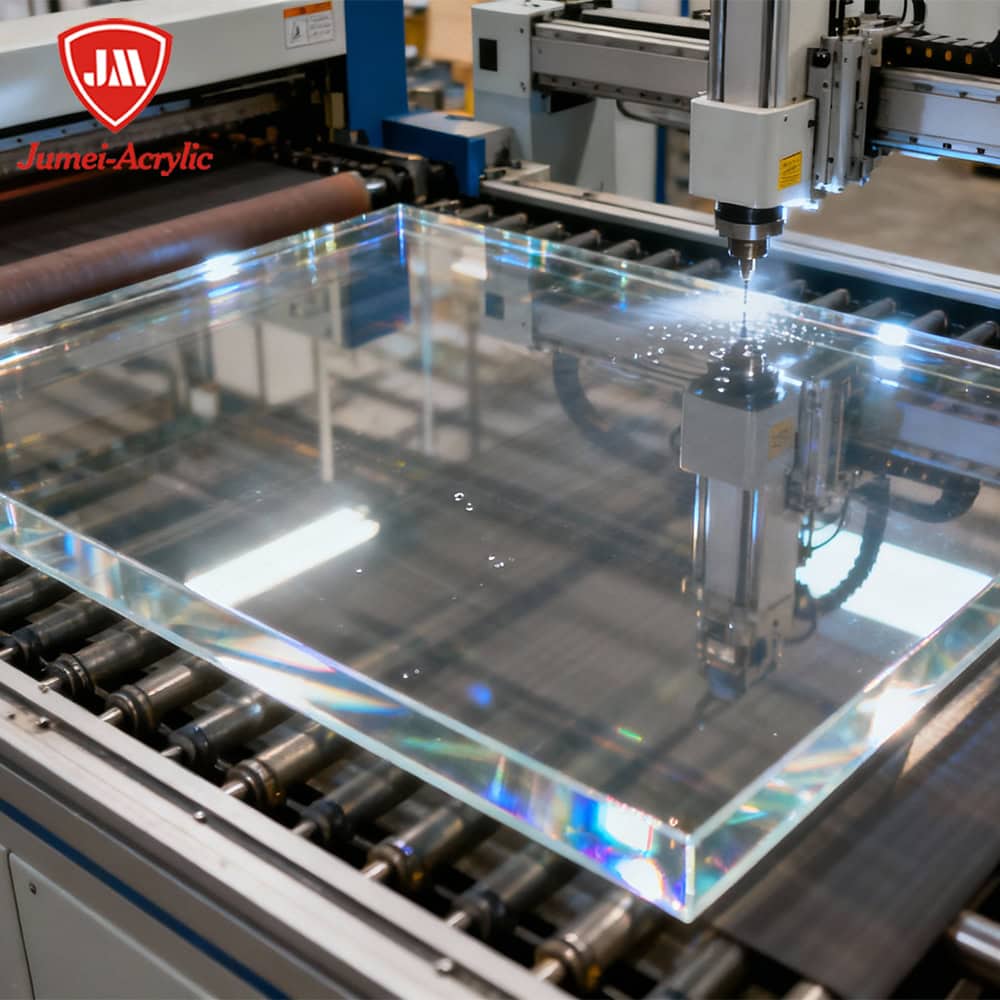
Why Thickness Consistency Reduces Production Loss
Stable thickness tolerance offers measurable business benefits. Acrylic is lightweight, highly impact resistant, and easy to cut or shape, making it a popular choice for various applications.
For industrial buyers, consistent thickness ensures reliable performance and reduces material waste. The lightweight nature of acrylic also makes handling and installation easier, further improving efficiency and reducing labor costs. This consistency is especially important in automated manufacturing processes, where even minor variations can lead to defects or equipment issues.
Additionally, acrylic sheets are available in a wide range of colors, thicknesses, and finishes for various industrial applications.
Reduced Scrap and Waste
When sheet thickness is consistent, cutting parameters remain stable. This reduces defective parts and lowers material waste.
Faster Production Flow
Less recalibration means machines run more efficiently. Operators can maintain consistent settings across batches without frequent adjustments.
Improved Batch-to-Batch Stability
Industrial projects often require repeat orders. If thickness varies between batches, production settings must be adjusted each time. Consistency ensures predictable repeat performance.
Better Final Product Appearance
Uniform thickness leads to:
- Cleaner edges
- Smoother assembly
- Professional finish
For manufacturers supplying high-visibility products such as LED light boxes or branded displays, appearance consistency is critical.
In short, thickness control is directly linked to cost control.
UV Printing and Finishing: The Role of Thickness Tolerance
In the world of acrylic production, UV printing and finishing are pivotal for achieving vibrant, precise graphics and flawless backlight displays. The thickness tolerance of acrylic sheets plays a critical role in these processes, as even slight variations can impact print registration, color consistency, and the overall quality of the finished product. Ensuring that acrylic sheets meet strict thickness standards allows for seamless UV printing, resulting in sharp, durable graphics that stand out in both commercial and artistic applications.
IBC distributor members and independent distributors bring valuable expertise to the table, guiding businesses in selecting the right acrylic thickness and finish for each project. Their knowledge helps ensure that every display, sign, or graphic not only meets aesthetic expectations but also delivers long-lasting performance. By prioritizing thickness tolerance, companies can create and deliver acrylic products that are both visually stunning and built to endure, reinforcing their commitment to quality and customer satisfaction.

How Jumei Acrylic Controls Thickness Consistency
Supplier capability plays a decisive role in maintaining tolerance stability.
As a leading manufacturer in China, Jumei Acrylic is recognized for its quality and reliability compared to other Chinese suppliers. With decades of expertise, our dedicated team and skilled employees ensure consistent production and strict batch control for industrial buyers. Jumei’s commitment to excellence is reflected in our employees’ dedication to quality and our long-standing reputation in acrylic sheet manufacturing.
Controlled Production Parameters
Stable equipment operation, monitored temperature control, and calibrated extrusion or casting processes help reduce deviation during sheet formation.
Inspection and Measurement Procedures
Thickness measurements are conducted throughout production to ensure sheets remain within acceptable tolerance ranges. Batch verification helps maintain consistency across large-volume orders.
Export-Oriented Quality Management
For global buyers, consistency across shipments is just as important as consistency within a single batch. Production systems designed for export projects help ensure that repeat orders maintain the same thickness profile and performance characteristics.
For industrial clients, this reduces sourcing risk and supports stable long-term cooperation.

Troubleshooting Thickness Tolerance Issues in Production
Addressing thickness tolerance issues during acrylic production is vital for maintaining consistent quality and meeting project deadlines. When problems such as uneven surfaces, printing defects, or assembly challenges arise, it’s essential to work closely with trusted suppliers—including IBC distributor members and independent distributors—to quickly identify and resolve the root cause. These partners offer valuable support, whether it involves adjusting production parameters, selecting alternative materials, or refining finishing techniques.
By taking a proactive approach to troubleshooting, businesses can minimize production delays, reduce material waste, and ensure that every acrylic product meets rigorous quality standards. The collaborative expertise of distributor members and suppliers not only helps resolve immediate issues but also strengthens long-term production practices. This commitment to quality and support ensures that customers receive reliable, high-performance acrylic solutions, reinforcing the value of working with IBC and its network of distributor members.
Working with Distributors to Ensure Quality and Consistency
Partnering with IBC distributor members and independent distributors is a strategic move for any business seeking to guarantee the quality and consistency of their acrylic products. These distributor members provide access to a comprehensive range of materials, tools, and services, backed by deep industry knowledge and a commitment to excellence. Their expertise helps businesses navigate every stage of production—from material selection and custom fabrication to finishing and installation—ensuring that each solution is tailored to the customer’s specific needs.
By leveraging the support and resources of reputable distributors, companies can create custom, durable, and precise acrylic products that stand the test of time. This collaborative approach not only enhances the value delivered to customers but also positions businesses for future growth and innovation. With the right distributor partners, businesses gain a competitive edge in the industry, consistently delivering high-quality solutions that exceed expectations and build lasting customer loyalty.
What Buyers Should Ask Suppliers About Tolerance
When evaluating acrylic sheet suppliers, industrial buyers should ask specific, practical questions about thickness control. One of the key advantages of working with suppliers who provide clear information about thickness tolerance is that it helps ensure product consistency and reliability.
Consider asking:
- What is your standard thickness tolerance range?
- How do you measure and verify sheet thickness?
- Is tolerance consistent across the entire sheet surface?
- How do you control batch-to-batch variation?
- Can you provide inspection documentation?
- Are your products certified to meet industry standards such as CSA or UL?
- How do you handle tolerance-related complaints?
Clear answers to these questions indicate whether a supplier understands production-level requirements or only focuses on basic material sales.
Access to technical expertise, after-sales service, and rapid responsiveness to queries are key differentiators for buyers.
Tolerance transparency is often a strong indicator of manufacturing maturity.
For further inquiries or special requests, buyers are encouraged to contact suppliers directly by phone or email for more information.
Conclusion
Thickness tolerance may seem like a minor specification detail, but in industrial production it has major consequences. Inconsistent acrylic sheets can increase waste, slow down machining, and compromise final product quality.
For buyers in signage, display manufacturing, and CNC fabrication, evaluating thickness control should be a standard part of supplier selection. The advantages of consistent thickness control include reduced material waste, improved machining speed, and enhanced final product quality, making supplier offerings more attractive to industrial buyers. Beyond price and material type, production consistency determines long-term efficiency.
By understanding tolerance standards and working with reliable manufacturers such as jumei acrylic, industrial buyers can reduce hidden costs and achieve more predictable production outcomes. Buyers also evaluate long-term costs, including maintenance, operating expenses, and efficiency gains, beyond just the initial purchase price.