Introduction
When sourcing acrylic sheets for industrial or signage applications, buyers often compare price, thickness, and delivery time. However, one critical factor is sometimes underestimated: whether the manufacturer operates under recognized certifications and standardized production systems.
Certification is not just a marketing label. It reflects how a factory manages quality control, process consistency, documentation, and risk management. For B2B buyers working on long-term projects or repeat production orders, these factors directly affect operational stability and total cost of ownership.
Understanding what certifications represent—and how they influence production performance—helps buyers make more strategic sourcing decisions.
International B2B buyers are highly rational, risk-averse, and research-driven, typically involving 6-10 stakeholders in buying cycles that often take over three months. There are different types of procurement manager roles and responsibilities, depending on the industry and organization, highlighting the diversity of tasks and expertise required in international sourcing.
Introduction to Acrylic Sheets
Acrylic sheets are a versatile plastic material widely recognized for their durability, clarity, and resistance to weathering, making them a staple across industries such as construction, advertising, and manufacturing. On a daily basis, procurement managers are tasked with sourcing these essential products, ensuring that only certified acrylic sheets meeting strict quality standards are delivered to their companies. Effective project management and the use of advanced tools enable businesses to manage their supply chain efficiently, guaranteeing that clients receive reliable goods and services on time. In today’s competitive business world, partnering with a trusted supplier is crucial—companies like Gemini stand out by consistently providing high-quality acrylic sheets that support a variety of projects and applications. By focusing on quality and reliability, businesses can deliver superior products to their clients and maintain a strong reputation in the global market.
What Certifications Mean in Acrylic Manufacturing
A certified acrylic manufacturer typically operates under documented quality management systems and compliance standards. These certifications may relate to:
- Quality management systems (such as internationally recognized standards)
- Environmental and safety compliance
- Material safety and regulatory requirements
- Export documentation and traceability
Procurement managers are commonly found in large enterprises and play a key role in ensuring that suppliers understand and adhere to the supplier code of conduct. Understanding the supplier code of conduct is essential for becoming a supplier for large enterprises.
While specific certification names may vary by region, the underlying purpose is consistent: to ensure that production follows defined, repeatable, and audited procedures.
Standardized Production Procedures
Certification requires manufacturers to establish clear process controls. This includes:
- Documented raw material verification
- Defined production parameters
- Controlled thickness monitoring
- Structured inspection checkpoints
Such systems reduce variability and improve consistency across batches.
Traceability and Accountability
Certified manufacturers must maintain production records. If a quality issue arises, traceability systems help identify root causes and corrective actions. This level of accountability provides reassurance for industrial buyers managing large-scale or repeat projects.
Procurement managers not only manage but also direct purchasing activities and teams, utilizing traceability systems to track key performance indicators (KPIs) that assess the effectiveness of procurement strategies.
For global buyers, working with a certified acrylic manufacturer reduces supply chain uncertainty and supports smoother customs and compliance processes.
Quality Risks When Buying Uncertified Acrylic Sheets
Choosing suppliers without standardized certifications may introduce hidden risks.
Large enterprises often seek suppliers that are committed to quality, service, innovation, and continuous improvement. Meeting these standards enables suppliers to grow their business opportunities with international B2B buyers.
Inconsistent Thickness Control
Without structured quality systems, thickness variation may fluctuate between batches. This can lead to:
- Laser cutting inaccuracies
- CNC machining misalignment
- Assembly inconsistencies
Material Stability Concerns
Lower process discipline may increase the risk of:
- Yellowing under UV exposure
- Surface imperfections
- Internal stress leading to cracking
Limited Documentation
Uncertified suppliers may lack:
- Formal inspection reports
- Clear production records
- Defined complaint resolution procedures
For industrial buyers, this creates additional workload in quality verification and risk management.
Long-Term Project Impact
Quality inconsistencies can lead to:
- Increased scrap and rework
- Installation delays
- Higher warranty replacement costs
- Brand reputation challenges
Long-term relationships with suppliers are crucial for large enterprises to achieve their business goals. Choosing certified suppliers supports the life and durability of these partnerships, ensuring a long-term commitment and reliable performance throughout the project lifecycle.
In many cases, a slightly lower purchase price can result in higher long-term expenses.

How Certifications Impact Long-Term Project Performance
Certification influences more than initial product quality—it supports long-term project stability. Certifications play a key role in enabling smoother project execution and supporting customer goals, making them essential for international B2B buyers.
Consistent Production Standards
Certified systems promote stable tolerance control and predictable machining performance. For industrial acrylic sheets used in precision applications, consistency is essential.
Reduced Warranty and Maintenance Issues
Stable raw material verification and process control reduce the likelihood of premature aging, surface defects, or structural instability.
Reliable Repeat Orders
For buyers requiring ongoing supply, certification helps ensure:
- Batch-to-batch consistency
- Comparable performance across shipments
- Simplified quality evaluation for repeat projects
Lower Total Cost of Ownership
When materials perform consistently, manufacturers experience:
- Reduced scrap rates
- Fewer production interruptions
- Lower inspection and troubleshooting costs
Over time, these factors create measurable cost savings.
Role of Procurement Managers in Sourcing Certified Acrylic Sheets
Procurement managers play a pivotal role in the success of any business by overseeing the acquisition of goods and services required for daily operations. Their job involves evaluating and selecting suppliers, negotiating contracts, and ensuring that certified acrylic sheets are sourced from reputable providers. On a daily basis, procurement managers use a range of tools and resources in the office to manage supplier relationships, review product catalogs, and contact suppliers directly. By focusing on quality, compliance, and timely delivery, they help companies build strong partnerships with suppliers and achieve their business objectives. Effective procurement management not only ensures that the right products are provided but also supports the company’s long-term growth and success by building a reliable supply chain and fostering continuous improvement in sourcing activities.

Supply Chain Considerations for Certified Acrylic Products
Managing the supply chain for certified acrylic products requires careful coordination between manufacturers, suppliers, and distributors to ensure efficient and safe delivery of goods. Companies like Ryder and Gemini have developed robust supply chain systems that enable them to deliver high-quality products to clients across the country. Procurement managers must consider factors such as lead times, shipping costs, and inventory management to keep the supply chain running smoothly. By exploring a variety of supplier options and maintaining strong relationships, they can reduce risk, improve efficiency, and provide better services to customers. Effective supply chain management not only helps companies deliver products on time but also enhances profitability and ensures compliance with regulatory standards. In today’s fast-paced business environment, having access to a network of trusted suppliers is essential for meeting client needs and maintaining a competitive edge.
Project Management Advantages with Certified Acrylic Sheets
Certified acrylic sheets offer significant advantages for project management across a wide range of industries. By using high-quality, certified materials, companies can manage their projects more efficiently, ensuring timely completion and reducing the risk of costly delays or rework. Project management tools and techniques help teams coordinate activities, track progress, and maintain clear communication throughout the project lifecycle. Certified acrylic sheets are valued for their durability, transparency, and weather resistance, making them ideal for construction, advertising, and manufacturing projects. By partnering with reliable suppliers who provide certified products and services, businesses can enhance the quality of their deliverables, reduce maintenance costs, and strengthen their reputation in the market. In the world of project management, having access to trusted resources and products is key to achieving project success and delivering value to clients.
Environmental Benefits of Certified Acrylic Manufacturing
Certified acrylic manufacturing is increasingly focused on continuous improvement and environmental responsibility. Leading companies such as Gemini and Ryder have adopted sustainable practices in their production processes, including waste reduction, energy conservation, and the use of eco-friendly materials. Certified acrylic sheets contribute to environmental sustainability by minimizing the need for additional treatments like painting, reducing waste, and supporting recycling initiatives. By choosing certified products, companies can lower their carbon footprint, promote a positive brand image, and join industry efforts to build a more sustainable world. Across the country, various programs and initiatives encourage businesses to adopt greener practices, and by participating in these efforts, companies can help build a better future for generations to come. Embracing certified acrylic manufacturing is not only good for business—it’s an important step toward promoting environmental stewardship and continuous improvement in the industry.
Jumei Acrylic’s Manufacturing Standards & Export Experience
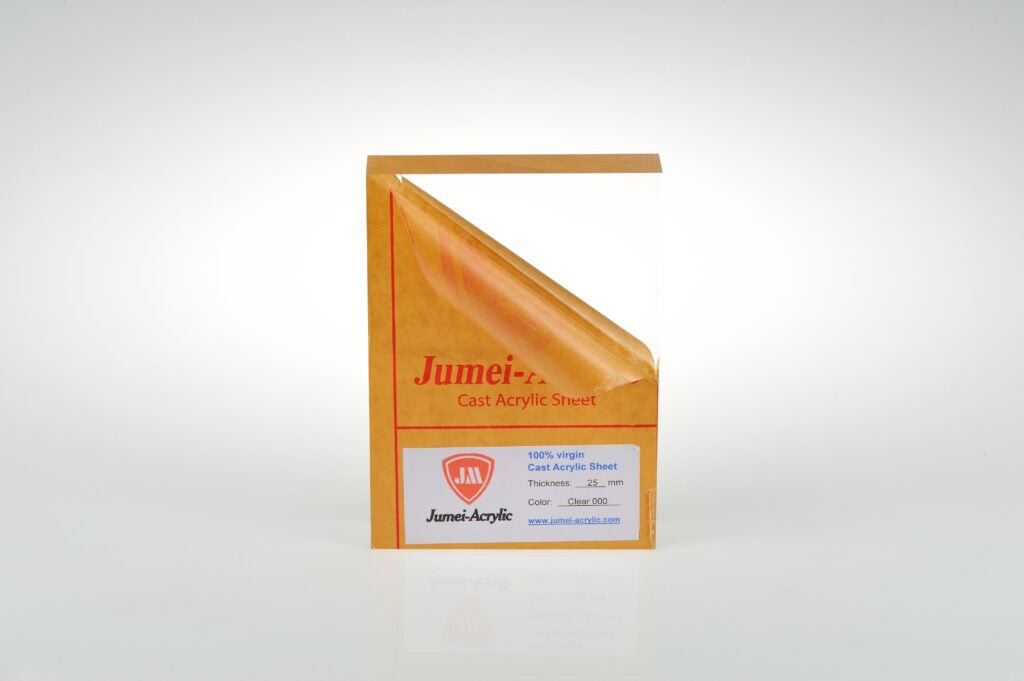
As an experienced acrylic sheet exporter serving international B2B markets, Jumei Acrylic operates with a strong focus on standardized manufacturing and export-oriented quality management. By joining a supplier network or platform, suppliers can gain exposure to numerous buyers from various international regions, expanding their business opportunities. We invite suppliers to learn about our requirements and process to become part of our diverse supplier network, fostering inclusivity and collaboration. Building strong relationships with partners in the industry is essential for long-term success. Supplier diversity is a competitive advantage for large enterprises, enhancing their overall success in the global marketplace.
Controlled Production Environment
By implementing structured production procedures and consistent process monitoring, jumei acrylic maintains stable thickness tolerance and optical clarity across large orders.
Export-Oriented Compliance Awareness
International projects require adherence to regulatory and documentation standards. Export experience helps ensure that material specifications, packaging, and inspection records meet global buyer expectations.
Industrial Application Consistency
For clients in signage manufacturing, display fabrication, and industrial machining, batch stability is critical. Production systems designed for repeatability support predictable performance across projects.
Rather than competing solely on price, jumei acrylic emphasizes reliability and long-term cooperation.

How Procurement Managers Can Verify a Supplier’s Reliability
Certification claims should always be verified. Buyers can take several practical steps to evaluate supplier credibility.
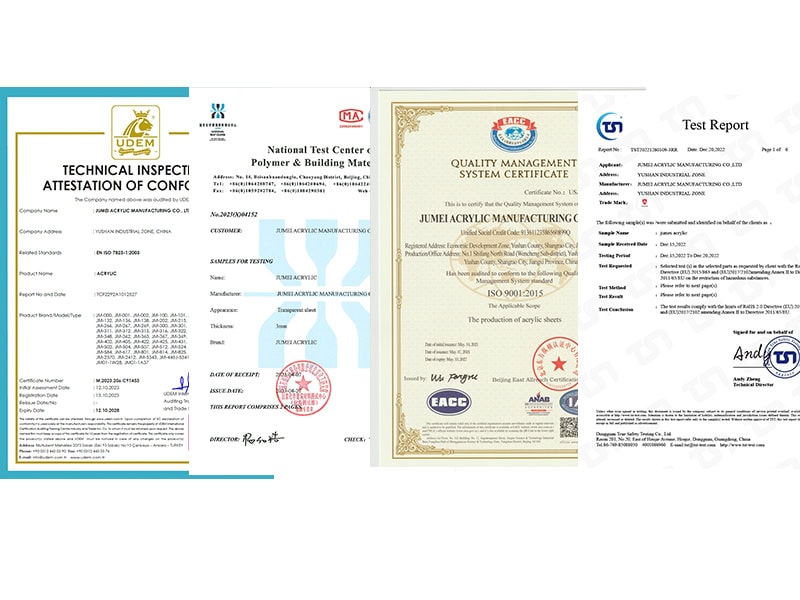
Ask for Documentation
- Request copies of relevant certification documents
- Confirm validity and issuing authorities
Review Quality Inspection Procedures
- Ask how thickness is measured
- Request sample inspection reports
- Understand batch sampling frequency
Evaluate Export Experience
- Review case studies or project references
- Assess ability to handle repeat orders
- Confirm complaint handling procedures
Assess Communication Transparency
- Are technical specifications clearly documented?
- Does the supplier explain tolerance ranges and quality standards openly?
A reliable acrylic supplier will be transparent about manufacturing procedures and quality controls.
Conclusion
In acrylic sheet sourcing, certification reflects production discipline, traceability, and long-term reliability. For industrial and signage applications, consistent material performance is more valuable than marginal upfront savings.
By choosing certified manufacturers, buyers reduce supply chain risk, improve production stability, and enhance long-term cost efficiency. Working with experienced exporters such as jumei acrylic supports predictable quality and sustainable B2B cooperation.