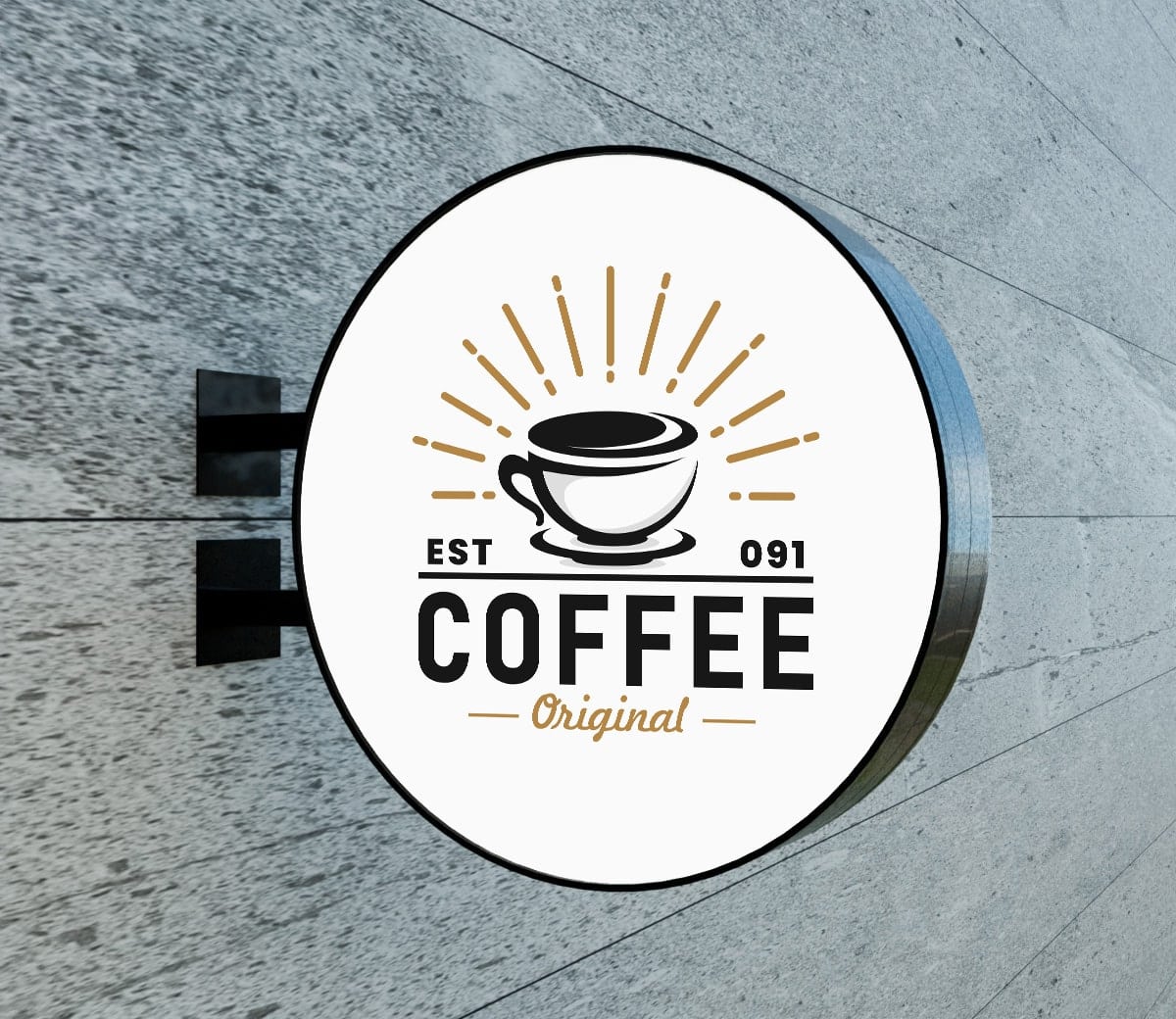
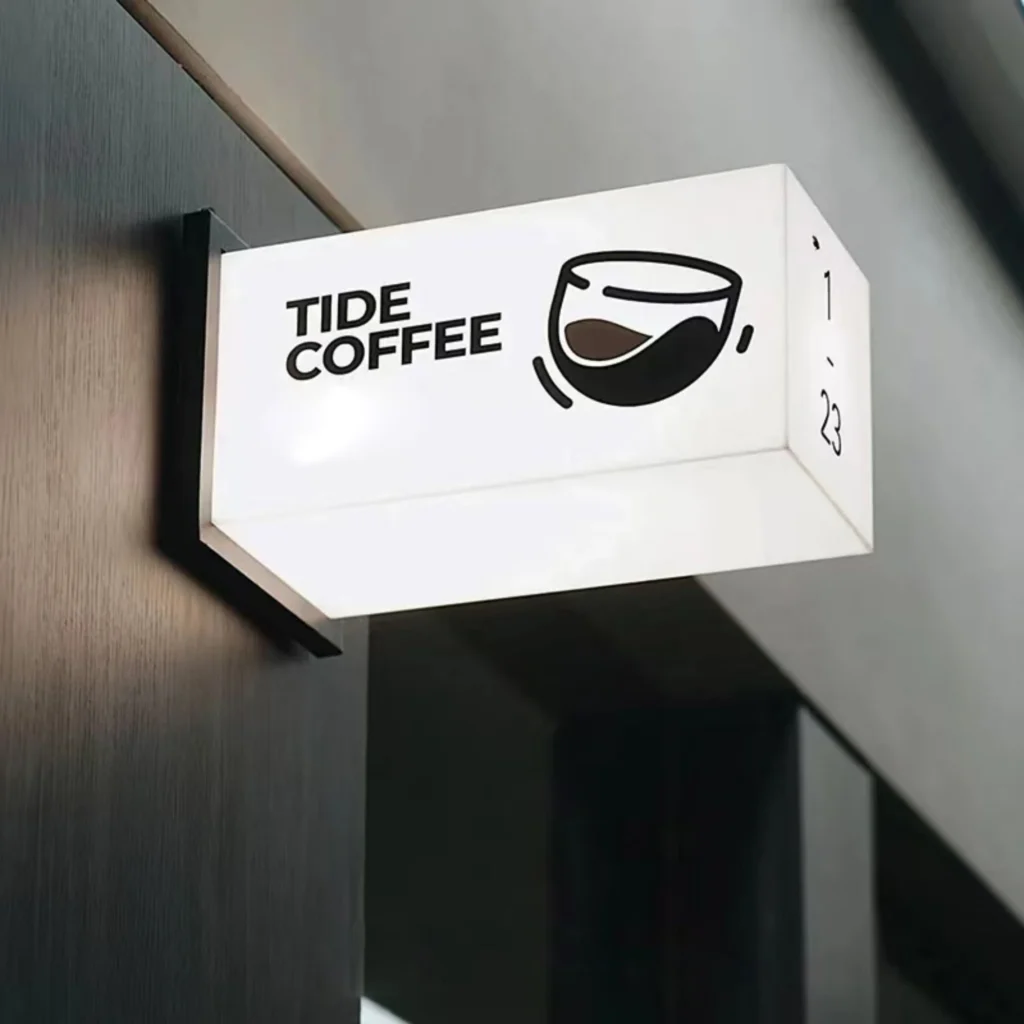
Outdoor LED light boxes and illuminated signboards perform under demanding conditions. Day after day, they face sunlight, rain, temperature swings, humidity, urban pollution, and physical stress.
For signage manufacturers, the challenge is to engineer a solution that continues to perform for weeks, months, and years without costly maintenance or replacement.
This guide looks into how to select outdoor acrylic sheets for LED light box applications. It covers key performance specs and the critical role that supplier reliability plays in long-term project outcomes.
Performance Requirements for Outdoor LED Light Box Acrylic
When specifying an outdoor acrylic sheet for LED light boxes, performance requirements extend well beyond basic transparency.
a. High Light Transmission and Uniform Diffusion
LED light boxes depend on consistent, even light distribution across the entire face panel. Standard clear acrylic usually offers light transmission above 90%, making it highly suitable for illuminated signage.
You can get about 94% with standard acrylic sheets with Jumei. However, raw transmission figures alone do not capture the full picture. Uniformity of diffusion is just as important as peak transparency.
Uneven diffusion creates visible hot spots in front of LED modules or shadow areas at light sources. Such inconsistency undermines the visual quality of backlit graphics and reduces legibility.
For outdoor advertising displays, signs are viewed from moving vehicles or across wide public spaces. A clear and stable light performance can significantly enhance brand visibility, particularly at night.
b. Structural Stability Under Thermal Cycling
Outdoor environments subject acrylic panels to continuous thermal cycling. In tropical and subtropical regions, surface temperatures on sun-exposed panels can climb well above ambient air temperatures.
In continental climates, the temperature differential between summer and winter can span dozens of degrees. Acrylic, like most thermoplastics, expands when heated and contracts when cooled.
The mounting and framing system must accommodate such dimensional movement, but the material must resist the stress of repeated cycling without warping, bowing, or developing internal stresses.
An outdoor acrylic sheet for an LED light box should maintain flatness across large panel sizes, fit securely in frames to accommodate thermal movement, and resist progressive warping under prolonged exposure to sunlight.
c. Impact Resistance and Surface Durability
Signboards installed in publicly accessible areas — at street level, on building facades, or at transit hubs — are exposed to wind debris, vibration from traffic or machinery, and occasional physical contact.
While acrylic is considerably lighter than glass, it must still provide adequate structural integrity to withstand these stresses without shattering, cracking, or delaminating from frame components.
Scratch resistance and surface smoothness are additional considerations, especially for panels near ground level. Surface scratches catch light and reduce visual clarity, while deeper abrasion traps dirt.
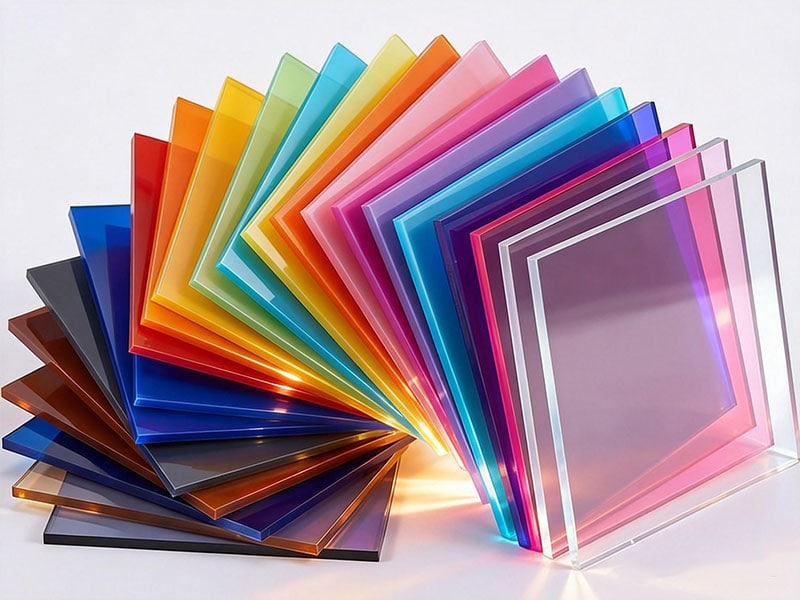
UV Resistance, Color Stability, and Long-Term Weather Performance
Of all the performance parameters relevant to outdoor LED light box acrylic, UV resistance is arguably the most critical and the most frequently underestimated.
The Mechanisms of UV Degradation in Acrylic
Ultraviolet radiation in sunlight causes photochemical reactions within the polymer chains of acrylic materials. Without adequate stabilization, these reactions progressively damage the sheet’s molecular structure, leading to a cascade of degradation.
Yellowing is the most visible symptom — as the polymer structure changes, the material begins to preferentially absorb blue wavelengths of light, producing a warm yellow or amber cast that distorts the color rendering of illuminated graphics and reduces overall brightness.
Alongside yellowing, UV degradation reduces overall transparency as increasing molecular damage scatters more light within the sheet. Surface degradation — manifesting as a milky or hazy surface appearance — further reduces clarity.
Micro-cracking can develop within the sheet or on its surface, compromising structural integrity and creating pathways for moisture ingress. The rate at which changes occur depends on UV dose, which varies significantly by geography, altitude, season, and orientation.
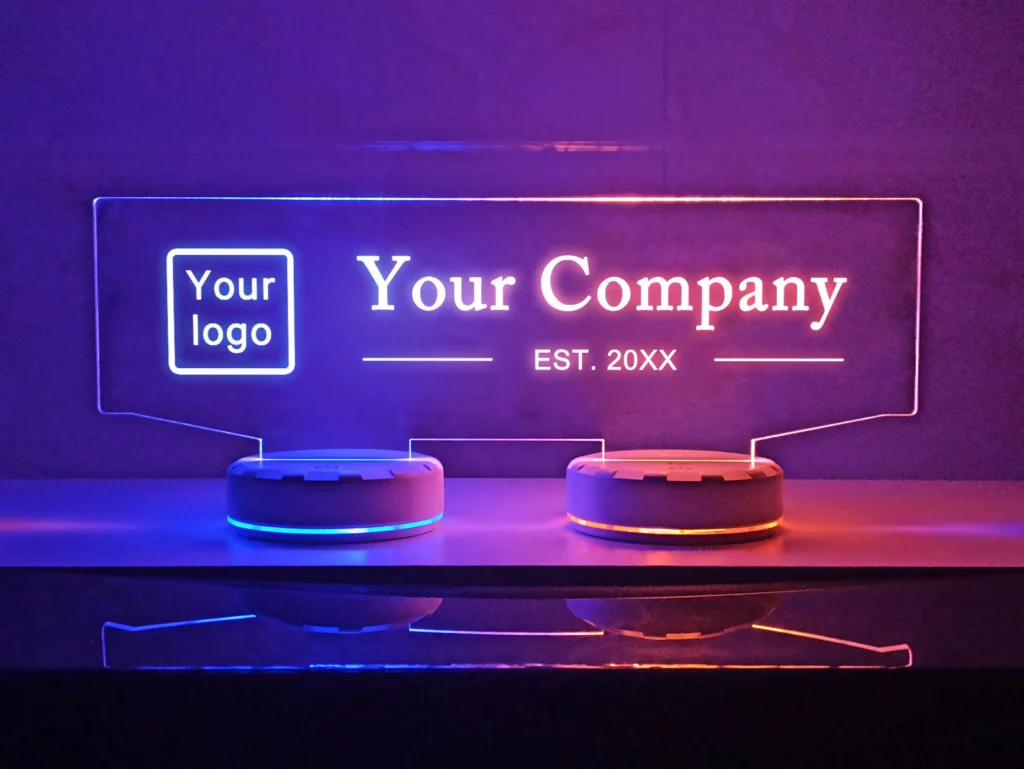
UV Stabilization Technology to Handle Local Demand
UV-resistant acrylic sheets are formulated with stabilizing additives incorporated during manufacturing. These UV stabilizers absorb UV radiation and convert it to harmless heat energy before it can initiate photochemical degradation of the polymer chains.
The most effective formulations use UV absorbers in combination with hindered amine light stabilizers (HALS), which interrupt the degradation chain reactions and significantly extend service life.
For LED light box applications, UV-stabilized acrylic delivers several critical operational benefits. Consistent brightness is maintained throughout the product’s service life, as the sheet’s light transmission characteristics remain stable.
Brand color presentation remains accurate, preventing the yellowing effect of UV-degraded panels from distorting the carefully calibrated colors in illuminated graphics.
Broader Weather Performance: Rain, Humidity, and Thermal Exposure
UV radiation is not the only environmental stressor that outdoor acrylic must withstand. Outdoor signage is also exposed to rain and humidity, dust and airborne pollution, and the ongoing stress of thermal expansion and contraction discussed earlier.
Material stability under these combined conditions reduces maintenance frequency and protects the long-term quality of the installation. In coastal environments, salt-laden air can exacerbate surface degradation and compromise sealants.
In industrial areas, atmospheric chemical pollutants can deposit on acrylic surfaces, contributing to surface deterioration over time. High-quality outdoor acrylic formulations are engineered with these realities in mind, offering comprehensive resistance.
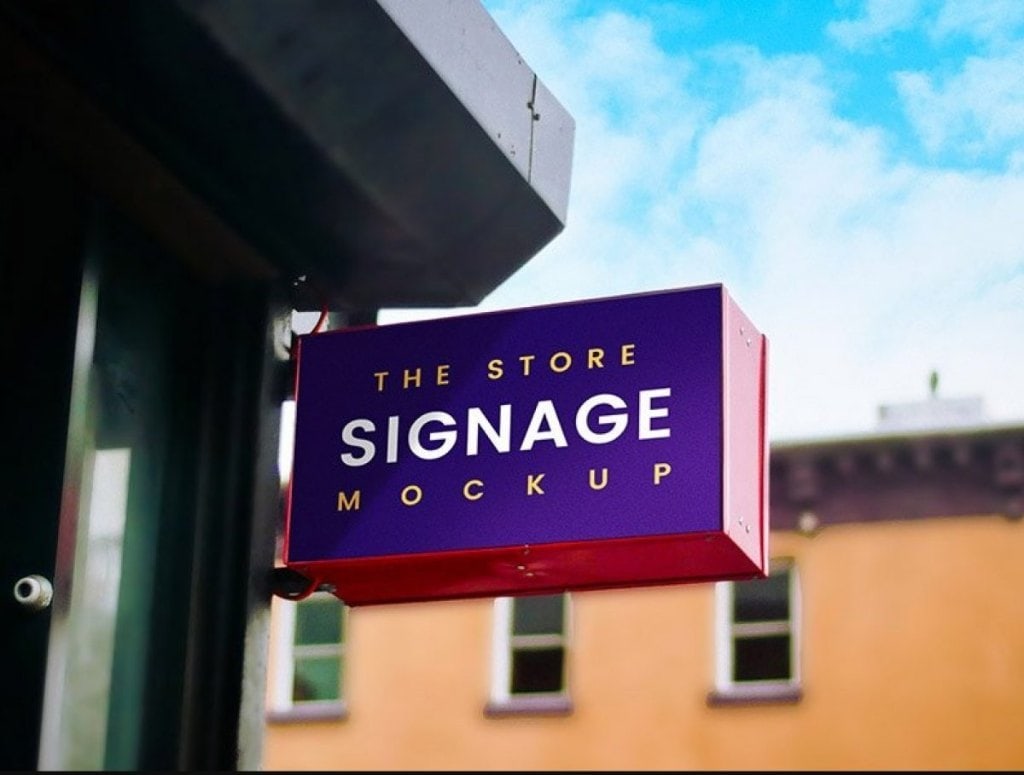
Cast vs Extruded Acrylic: Choosing the Right Manufacturing Process for Your Project
Acrylic sheets are produced by two distinct manufacturing processes: casting and extrusion. The differences between the two have practical implications for LED light box performance.
Cast Acrylic: Superior Optical Performance and Material Properties
Cast acrylic is produced by polymerizing liquid methyl methacrylate monomer between two glass plates or in open cells, with the material curing slowly under control. It produces a sheet with a higher molecular weight than extruded acrylic.
Thickness control in cast sheets is typically tighter than in extruded production, which benefits frame-fitting accuracy in precision applications.
Cast acrylic sheets deliver excellent optical clarity with very high light transmission and minimal internal haze or distortion. A higher molecular weight gives them stronger resistance to surface stress, they’re less prone to solvent crazing while being more compatible with adhesive bonding.
It makes cast acrylic the preferred choice for premium illuminated applications, including high-end brand logos and architectural signage installations where visual precision and longevity are paramount.
Extruded Acrylic: Cost Efficiency for High-Volume LED Panel Production
Extruded acrylic is produced by continuously melting acrylic granules and forcing the molten material through a die to produce a sheet of the desired thickness. The continuous process is highly efficient, producing large volumes of material at a lower unit cost than the batch-based casting process.
The resulting material has a lower molecular weight than cast acrylic; it is somewhat more susceptible to solvent stress cracking and may have marginally lower resistance to certain fabrication chemicals.
However, extruded acrylic performs reliably across a broad range of standard LED light box applications, offers good compatibility with thermoforming processes used to produce curved or shaped panels, and provides consistent optical performance at a more accessible price point.
For high-volume LED light box manufacturing, standardized retail signage programs, franchise rollouts, or large-scale outdoor advertising networks, extruded acrylic provides a commercially viable solution.
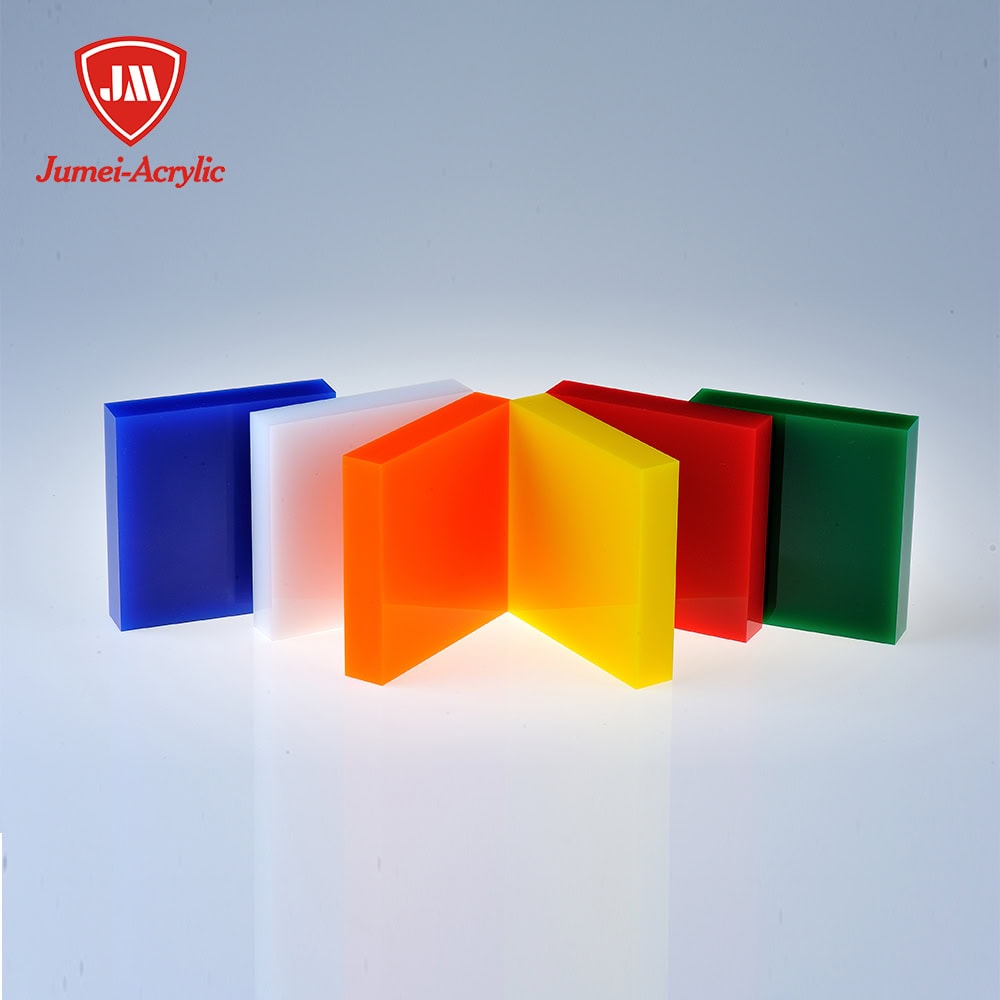
Making the Right Choice Between Cast and Extruded in the Supply Chain
The specific project requirements should drive the decision between cast and extruded acrylic. Relevant factors include project budget, commercial context, size of individual panels, and the total volume of material required.
Then, there comes the installation environment, the intensity of UV-thermal-mechanical stresses, the required service lifespan, maintenance access, and the fabrication processes (solvent bonding or complex thermoforming) to be used.
There’s no universally superior option. Both cast and extruded acrylic serve important roles in outdoor LED signage. Experienced manufacturers usually maintain access to both types to match the right product to each application.
Why Supplier Consistency Matters: Working with Jumei Acrylic
For signage manufacturers running ongoing programs, consistency is vital to operational reliability. A panel shouldn’t perform differently from the batch used to commission the installation.
The same goes for variations in thickness or optical characteristics between production runs. It creates downstream problems in fabrication, installation quality, and long-term visual uniformity.
As a top-tier acrylic sheet manufacturer, Jumei Acrylic holds exclusive capabilities and management. The brand works closely with clients to understand each client’s unique technical requirements and project context.
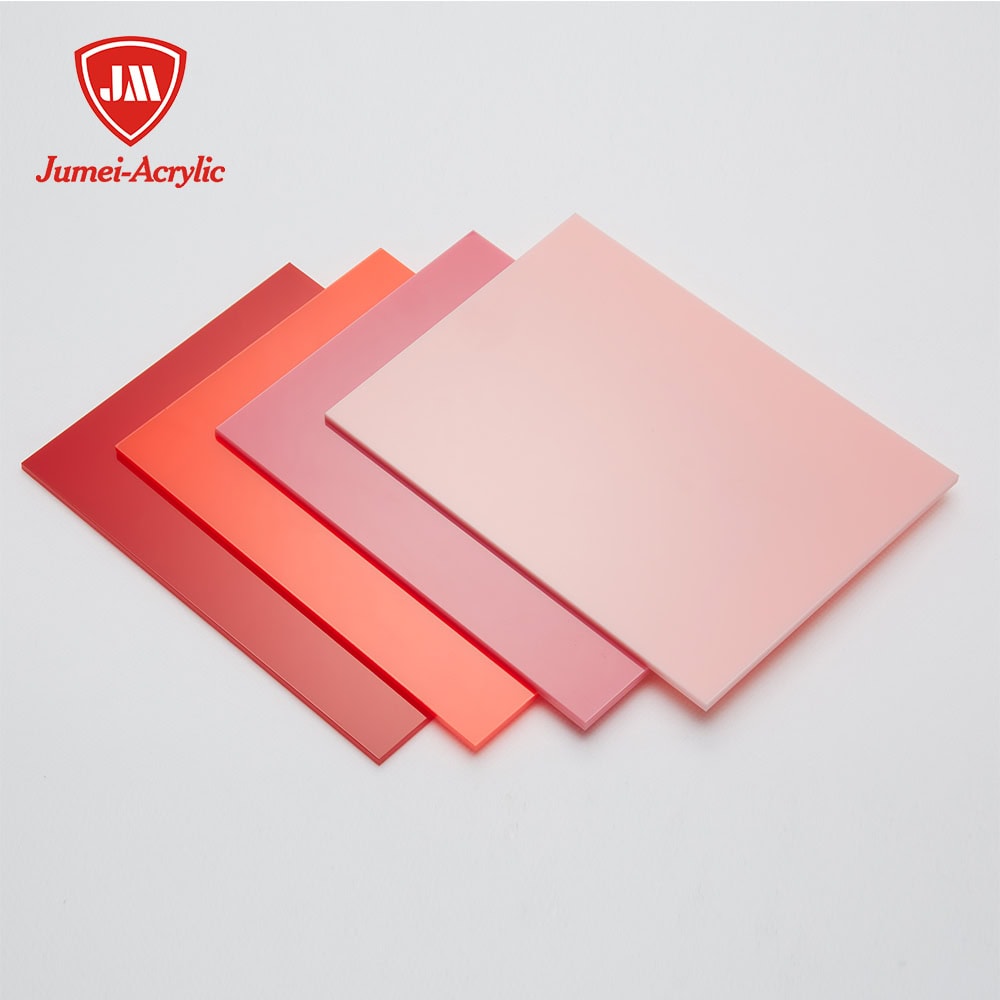
Recommended Specifications for Outdoor LED Project Management
Selecting the appropriate acrylic thickness for LED light box panels is a practical engineering decision with direct implications for structural performance, material cost, and installation complexity.
Standard Thickness Options and Their Applications
Smaller indoor light boxes and backlit display panels work well with 2mm acrylic, providing adequate rigidity at minimal weight and material cost. Thermal movement and wind loading are not significant factors.
3mm acrylic is the most commonly specified thickness for standard outdoor signage. It provides a good balance between structural rigidity, weight, and cost, and is suitable for a wide range of panel sizes.
4mm sheets offer improved rigidity for medium-sized panels in high-wind or high-temperature environments. The additional thickness provides resistance to thermal deformation while reducing potential flexing.
Large-format outdoor signboards feature face panels measuring approximately 1.5 to 2 meters. That’s where 5mm and above becomes the appropriate specification, with all factors considered.
How Thickness Affects Overall System Performance
Thickness affects several aspects of system performance. Thicker panels contribute slightly more to the light path length through the material, which can marginally reduce light transmission.
Thicker panels also have greater thermal mass, which means they change temperature more slowly, potentially reducing the peak stresses associated with rapid thermal cycling.
A large-format panel in 6mm or 8mm acrylic carries substantially more weight than the same panel in 3mm material, and the framing, fixings, and structural supports must be specified accordingly.
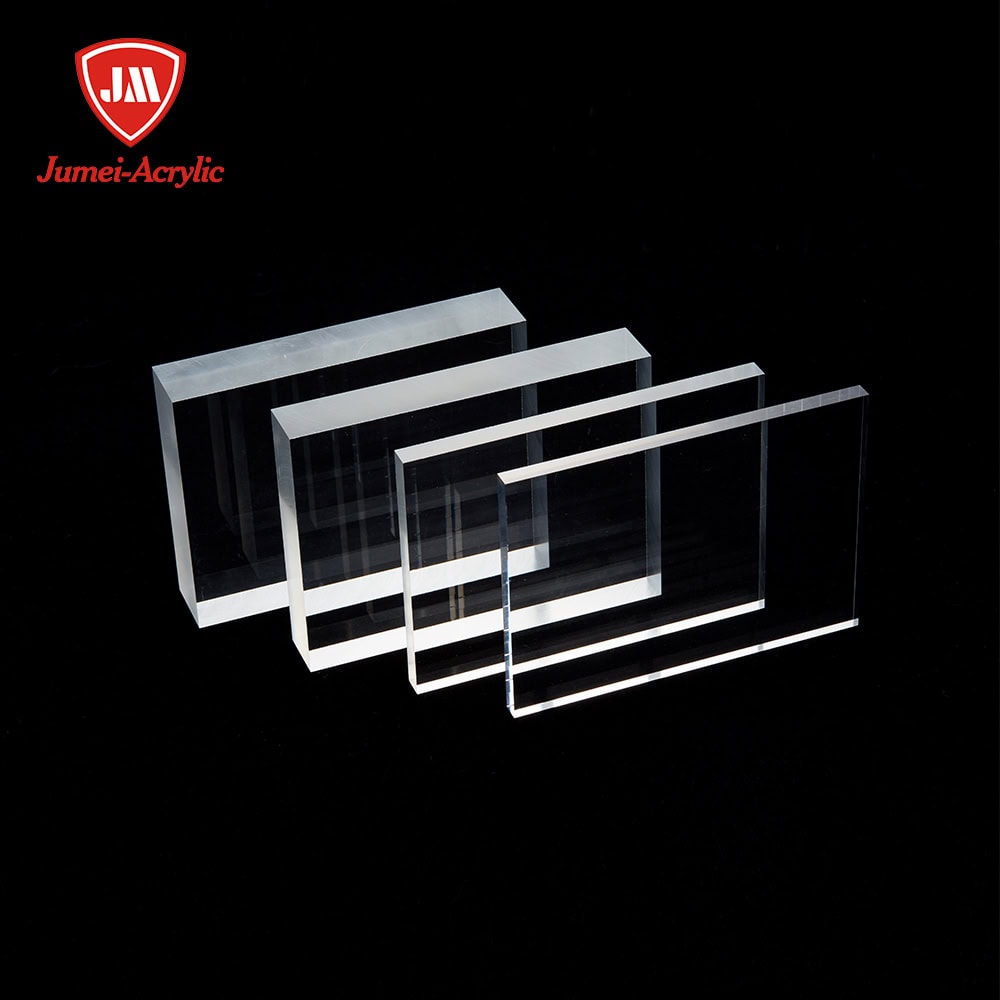
Tolerance Verification Before Ordering
Consistent thickness is critical for proper frame fitting in professional signage fabrication. Manufacturing tolerances for acrylic sheets are not always clearly communicated in standard product listings, and variations create severe problems during installation.
Before placing orders, buyers should confirm the nominal thickness specification and the acceptable tolerance range from the supplier, and verify that this tolerance is compatible with the mounting hardware and frame profiles being used.
A few tenths of a millimeter of variation across a large panel can translate into fitment problems in tight-tolerance frame systems. Specifying the tolerance requirement and selecting a capable supplier are straightforward ways to avoid installation complications.
Signage Manufacturer Capabilities: End-to-End Project Support
Acrylic sheet quality is a critical factor in the success of an outdoor LED light box installation. It operates within a broader system of design, fabrication, project management, and installation activities.
Understanding how material selection integrates with these broader capabilities helps buyers and project managers make better decisions and build more effective supplier relationships.
Comprehensive signage manufacturers offer integrated services, from initial concept and brand specs, procurement, fabrication, quality control, logistics, installation, and ongoing maintenance support.
Design and Brand Integration
Effective outdoor signage is a communication medium that must accurately translate brand identity into physical form. Signage manufacturers with in-house graphic design capabilities bridge the gap between brand guidelines and fabrication specifications.
It ensures that the optical and material choices made during production serve the brand’s visual objectives. Such integration is important for illuminated signage, where all the concerning factors influence how brand colors and graphics appear in the installation.
Production Timelines and Material Coordination
Production timelines for signage projects depend on the design complexity, material availability, fabrication processes, and coordination requirements.
Effective project management requires clear communication between material suppliers, fabricators, and installation teams, with scheduling that accounts for material lead times, quality inspection, logistics, and on-site work windows.
Material delays are a frequent source of project timeline disruption. Suppliers who maintain an adequate stock of key materials and proactively mitigate risk for project managers.
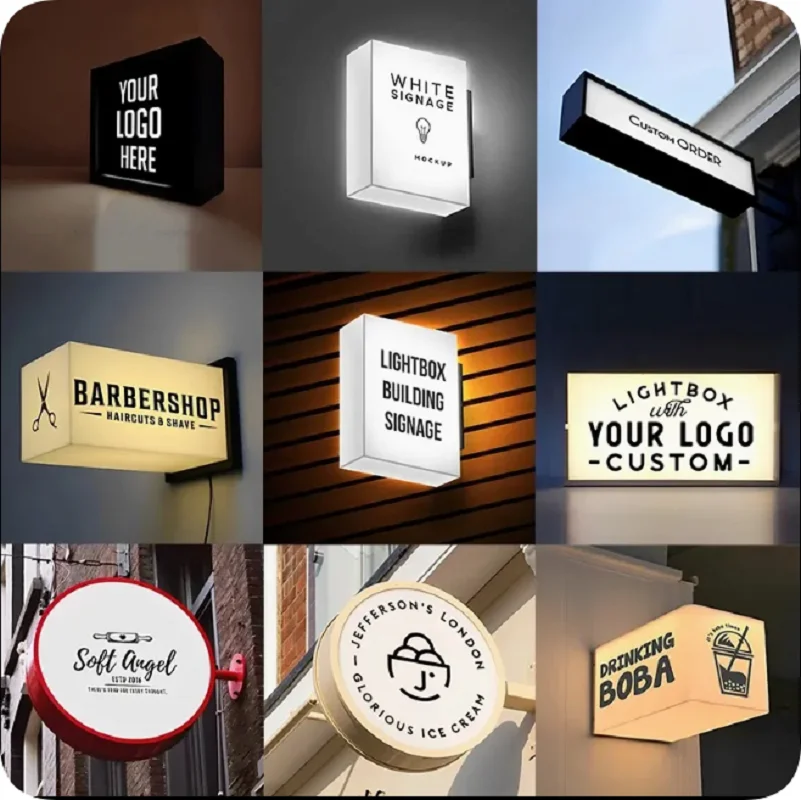
Installation and Ongoing Maintenance
Installation is a critical phase in which material quality, fabrication precision, and site preparation converge. Panels that are dimensionally consistent and within specification are far easier to install accurately and quickly than material with significant variation.
After installation, outdoor LED light box systems require periodic inspection and maintenance to ensure continued performance. It involves checking sealant integrity, cleaning panel surfaces, inspecting electrical connections, and monitoring panel optical performance.
Choosing durable, UV-resistant acrylic from the outset extends the intervals between necessary maintenance interventions and reduces the likelihood of premature panel replacement.
Conclusion
Selecting the best acrylic sheet for outdoor LED light boxes requires a systematic evaluation of multiple performance factors. The demanding conditions of outdoor signage, UV exposure, thermal cycling, wind and impact loading, humidity, and precipitation create a performance envelope that only appropriately specified, high-quality materials can reliably fill.
Perfect Balance of Properties for Outdoor Signage at JUMEI
Jumei Acrylic‘s production is specifically designed to maintain consistency, balance, and precision. The brand’s client base extends across international markets. Contact us to learn about our product catalog and services for outdoor LED/non-LED signage.