This article reveals a comparison between sanitary acrylic and other common bathtub materials. Anyone can make an informed choice that perfectly aligns with their needs, budget, and aesthetic preferences.
What are Sanitary Acrylic Sheets?
Sanitary acrylic sheets are a thermoplastic polymer. The material is a transparent, lightweight, and durable resin. These sheets are specifically formulated for sanitary ware applications, such as bathtubs, shower trays, and washbasins.
Chemical Composition
- Acrylic resin (PMMA): Provides clarity, strength, and moldability.
- Additives: Stabilizers, fillers, dyes, and UV inhibitors are added to enhance durability, color retention, and resistance to cleaning agents.
- Reinforcement layers: Often backed with fiberglass or ABS for structural integrity.
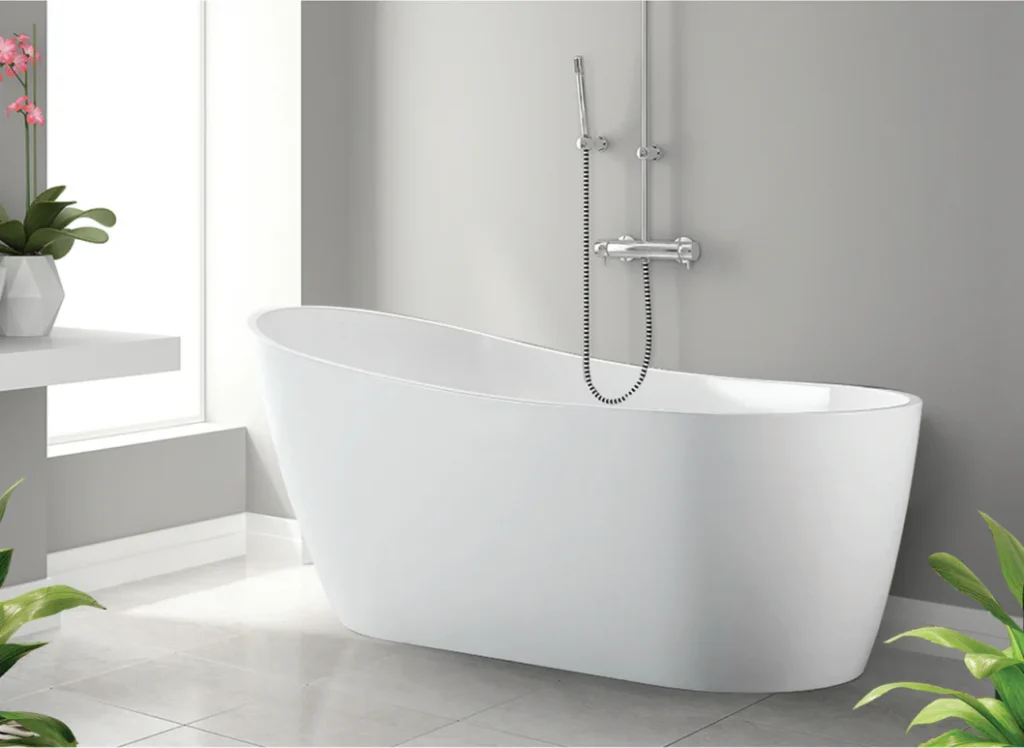
Key Features
- Lightweight: Easier to transport and install than cast iron or steel.
- Thermal Insulation: Retains heat longer, enhancing bathing comfort.
- Glossy Finish: High-gloss surface mimics ceramic or enamel, adding aesthetic appeal.
- Non-Porous Surface: Resists mold, mildew, and staining—ideal for hygiene.
- Repairable: Scratches and minor damage can be buffed or refinished.
- Color Versatility: Available in a wide range of colors and finishes.
- Eco-Friendly Options: Some manufacturers offer recyclable or low-VOC acrylic variants.
Why Acrylic Is a Popular Bathtub Material?
- Affordability: Compared to cast iron or stone resin, acrylic bathtubs are significantly cheaper to produce and install.
- Versatility: Can be molded into freestanding, alcove, corner, or whirlpool designs—only acrylic allows such diversity.
- Durability: With proper reinforcement, acrylic tubs can last 15–20 years, resisting chipping and cracking.
- Maintenance: Sanitary acrylic designs are simple to clean with mild/regular detergents instead of harsh chemicals.
- Market Share: Acrylic bathtubs account for over 60% of residential bathtub sales globally in mid-range and premium segments.
Common Bathtub Materials: Sanitary Acrylic Alternatives
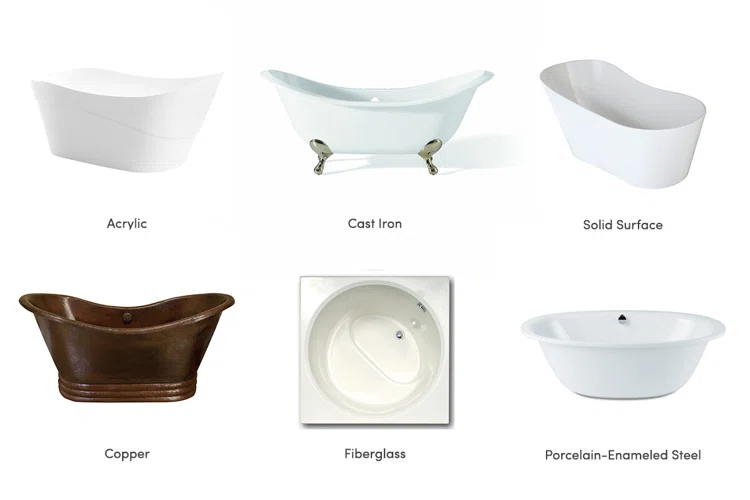
01. Fiberglass (FRP – Fiberglass Reinforced Plastic)
Fiberglass bathtubs are made by layering fiberglass strands into a mold and coating them with resin. They are among the most affordable and lightweight options. Notable features –
- Lightweight and easy to install.
- Surface coated with gelcoat resin.
- Moldable into various shapes.
Topmost Advantages
- Cost-effective: From $250 – $500 for standard models.
- Easy installation: Ideal for DIY or quick renovations.
- Repairable: Minor cracks can be patched comfortably.
- Design flexibility: Available in many shapes and sizes.
Concerning Limitations
- Prone to cracking, warping, and discoloration over time.
- Poor heat retention as water cools down quickly.
- Porous surface absorbs moisture to initiate mold/mildew.
Best Use Cases
- Rental properties or temporary installations.
- Budget-friendly renovations.
- Small bathrooms where weight is a concern.
02. Cast Iron (Porcelain-Enameled)
Cast iron tubs are made by pouring molten iron into molds and coating them with a thick layer of enamel. They are known for their classic look and unmatched durability. Notable features –
- Extremely heavy (300 – 500 lbs).
- Non-porous enamel surface.
- Excellent heat retention.
Topmost Advantages
- Durability: Can last 50+ years with proper care.
- Heat retention: Keeps water warm for extended periods.
- Scratch/chip resistant: Tough enamel surface.
- Timeless aesthetics: Clawfoot and pedestal styles are iconic.
Concerning Limitations
- Reinforced flooring and pro installation.
- High upfront and installation costs.
- Limited design flexibility due to molding difficulty.
Best Use Cases
- Luxury bathrooms.
- Historic or vintage-style homes.
- First-floor installations with concrete slab support.
03. Steel (Porcelain-Enamel Coated)
Also known as enameled steel, these tubs consist of a steel base coated with porcelain enamel. They offer a balance between affordability and durability. Notable features –
- Thin steel shell with enamel coating.
- Non-porous and glossy surface.
- Lightweight compared to cast iron.
Topmost Advantages
- Affordable: Generally cheaper than most.
- Easy to clean: Smooth surface resists stains.
- Stable feel: More rigidity than fiberglass.
Concerning Limitations
- Loud noise when water hits the surface.
- Steel cools down water quickly.
- When enamel chips, steel may corrode.
Best Use Cases
- Mid-range residential projects.
- Quick upgrades with standard alcove installations.
- Homes with limited structural support.
04. Stone (Marble, Granite, Travertine, Onyx)
Natural stone bathtubs are carved from solid blocks of stone, offering unmatched luxury and durability. Common stones include marble, granite, and travertine. Notable features –
- Hand-carved or molded from natural stone.
- High thermal mass.
- Unique veining and textures.
Topmost Advantages
- Aesthetic appeal: Each tub is one-of-a-kind.
- Heat retention: Excellent for long soaks.
- Durability: Resistant to scratches and chips.
- Longevity: Can last a lifetime with proper care.
Concerning Limitations
- Extremely heavy (400+ lbs).
- Premium pricing and installation costs.
- Sealing and gentle cleaning.
Best Use Cases
- High-end custom bathrooms.
- Spa-inspired luxury homes.
- Designer projects with bespoke finishes.
05. Composite Materials (Quartz, Resin, Solid Surface)
Composite bathtubs are made by blending crushed stone (like quartz or marble) with resin binders. These materials mimic the look of stone but are lighter and more versatile. Notable features –
- Engineered stone-resin blend.
- Moldable into thin, sculptural shapes.
- Non-porous and matte or semi-gloss finish.
Topmost Advantages
- Heat retention: Superior to acrylic and fiberglass.
- Durability: Resistant to scratches, stains, and impact.
- Design flexibility: Freestanding and minimalist styles.
- Low maintenance: Easy to clean and hygienic.
Concerning Limitations
- More expensive than fiberglass or steel.
- Heavier than acrylic, though lighter than stone.
- Require professional installation support.
Best Use Cases
- Modern luxury bathrooms.
- Spa-style renovations.
- Homes seeking a stone-like aesthetic.
Sanitary Acrylic vs Others: Durability
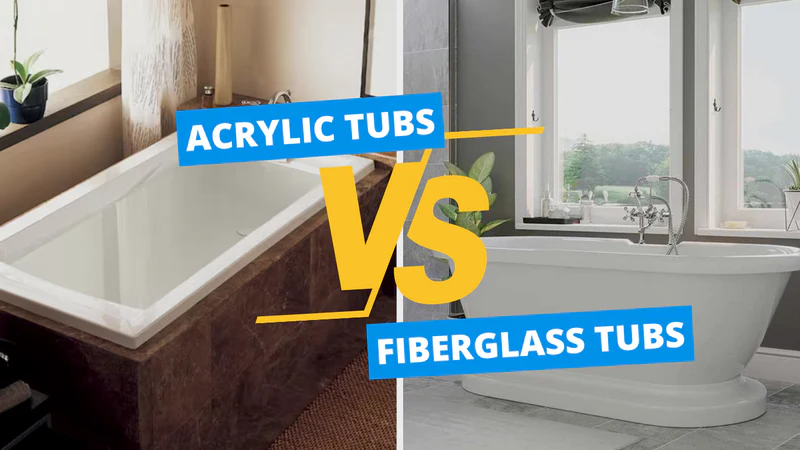
- Sanitary Acrylic typically lasts 15 – 20 years with proper care. The impact resistance remains moderate to high, especially when reinforced with fiberglass backing.
Sanitary acrylic resists cracking and chipping under normal use. Its surface is smooth and flexible, which allows it to absorb minor impacts. However, it can scratch if abrasive cleaners or tools are used.
- Fiberglass (FRP) lasts around 10 – 15 years, but often shorter in high-use environments. Impact resistance remains low to moderate.
Fiberglass is lightweight and inexpensive, but it’s also the least durable among bathtub materials. It’s prone to cracking, fading, and warping over time, especially under thermal stress or heavy impact.
- Cast Iron (Porcelain-Enameled) can last 40 – 70 years, often outlasting the bathroom itself. As you can imagine, the impact resistance is extremely high.
Cast iron is the gold standard for durability. Its enamel coating resists scratches and stains, while the iron core withstands heavy impacts without structural damage.
- Steel (Porcelain-Enamel Coated) features a lifespan of 15 – 25 years, depending on enamel quality. It comes with moderate impact resistance.
Steel bathtubs offer a middle ground between fiberglass and cast iron. While the steel shell is strong, the porcelain enamel coating can chip if struck with hard objects.
- Stone (Marble, Granite, Travertine) may serve for 50+ years, often indefinitely with proper care. Very high impact resistance comes with high brittleness under sharp force.
Natural stone bathtubs are exceptionally durable and resistant to wear and tear. Their high thermal mass also makes them ideal for heat retention, but they require sealing to prevent water absorption.
- Composite Materials (Quartz, Resin, Solid Surface) holds a lifespan of 20 – 30 years, depending on formulation and usage. And the impact resistance counts high enough.
Composite, a blend of crushed stone and resin, offers excellent durability with a lighter weight. They resist scratches, stains, and thermal shock, making them ideal for modern bathrooms.
Sanitary Acrylic vs Others: Heat Retention
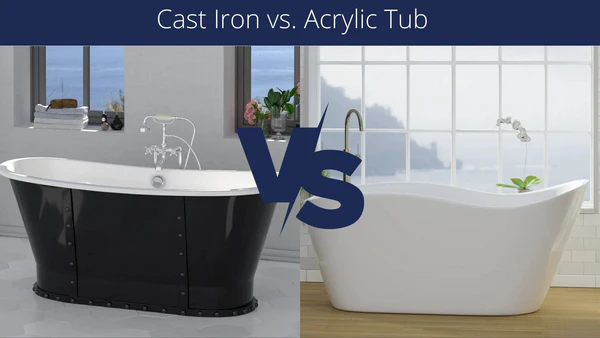
- Sanitary Acrylic is non-porous and thermally insulative, meaning it doesn’t draw heat away from the water. It features moderate to high heat retention. Acrylic warms up quickly and maintains water temperature for a reasonable duration.
- Fiberglass (FRP) tubs are lightweight and inexpensive, but poor insulators (low heat retention). The material is thin and porous, allowing heat to dissipate quickly. Fiberglass used in budget installations calls for refill hot water within 10–15 minutes.
- Cast Iron (Porcelain-Enameled) marks the benchmark for heat retention in bathtubs. No wonder it comes with high heat retention. Once heated, the iron core retains warmth for extended periods—often up to an hour or more.
- Steel (Porcelain-Enamel Coated) with a metal core conducts heat away from the water. You can expect a low to moderate heat retention. The steel cools quickly, reducing bath temperature within 15 – 20 minutes.
- Stone (Marble, Granite, Travertine) tubs offer exceptional heat retention, but with caveats. Very high heat retention prevails, especially in dense stones like granite or marble. Stone bathtubs can retain heat for 45–60 minutes, depending on thickness and temperature.
- Composite materials, made from engineered stone and resin, combine thermal efficiency with lightweight construction. Sufficiently high heat retention enables the materials to mimic stone’s insulation without its weight.
Sanitary Acrylic vs Others: Hygiene
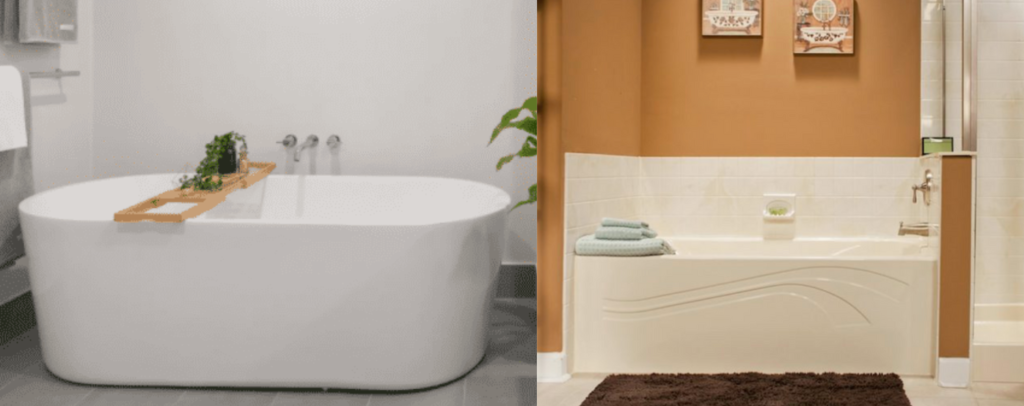
- Sanitary acrylic is widely regarded for its non-porous surface, which maintains hygiene. Acrylic is non-absorbent, smooth, and resistant to mildew and mold. Its seamless finish prevents dirt and bacteria from embedding.
- Fiberglass (FRP) is affordable but less hygienic over time due to its porous and brittle nature. Surfaces are initially smooth but prone to surface degradation. It leads to micro-cracks and porosity, ideal for bacterial growth.
- Cast Iron (Porcelain-Enameled) tubs coated with porcelain enamel offer excellent hygiene and durability. The enamel coating is non-porous, scratch-resistant, and highly resistant to staining and microbial growth.
- Steel (Porcelain-Enamel Coated) tubs share many hygiene benefits with cast iron, but are more prone to damage. Porcelain enamel is smooth and non-porous, but thinner coatings can chip, exposing steel and increasing rust and bacterial risk.
- Natural stone tubs are visually stunning but challenging to maintain hygienically. Stone is naturally porous, requiring sealing to prevent water absorption and microbial growth.
- Composite tubs offer a modern, hygienic solution, blending aesthetics with performance. The surfaces are exclusively engineered to be non-porous and antimicrobial, especially in solid surface and resin-based models.
Sanitary Acrylic vs Others: Maintenance
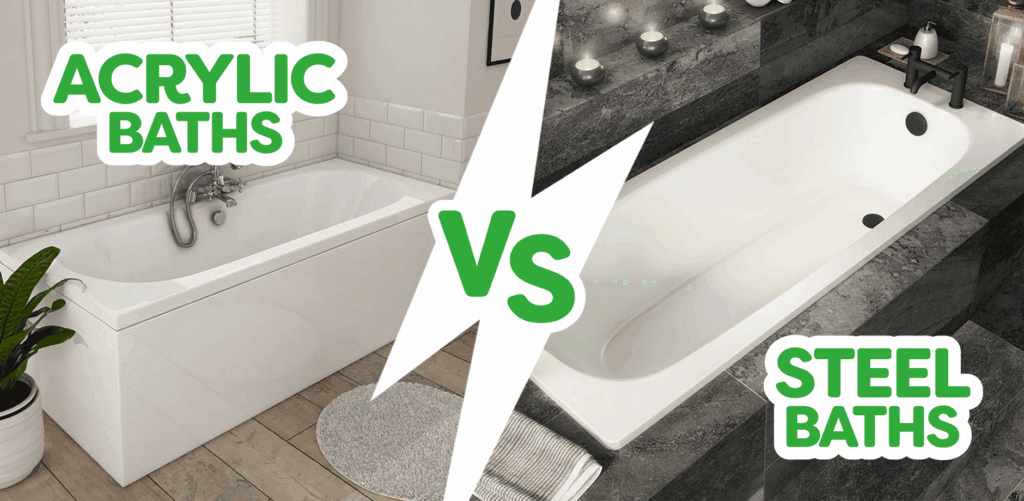
- Sanitary acrylic is designed for easy upkeep and aesthetic longevity. Acrylic resists most household stains, including hard water deposits and soap scum.
It can be scratched by abrasive cleaners or sharp objects, but surface damage is usually superficial and repairable. Easy cleaning only requires mild soap and water or non-abrasive cleaners.
- Fiberglass (FRP) is a budget-friendly option but less resilient over time. The porous surface can absorb dyes, rust, and mildew.
The surface gets easily scratched and is prone to surface cracking. Cleanups only need gentle cleaners, but discoloration is common.
- Cast-iron tubs are coated with a thick layer of porcelain enamel, offering excellent durability but requiring care. The enamel surface resists most stains and is non-porous.
However, if the enamel chips, the exposed iron can rust. The surfaces can be cleaned with standard bathroom cleaners, but avoid acidic or abrasive products.
- Steel tubs are similar to cast iron but thinner and more prone to damage. Porcelain enamel resists stains but can chip. Surfaces are hard but brittle when subjected to impact. It’s also easy to clean unless chipped.
- Natural stone tubs are luxurious but high-maintenance. Marble and travertine are porous and prone to staining; granite is more resistant. Stone is hard but can chip under sharp impact. Cleaning requires pH-neutral cleaners and regular sealing.
- Composite tubs blend stone and resin for a durable, low-maintenance finish. Non-porous and resistant to most household stains. The surface is tough and repairable. You can wipe clean with mild soap and water.
Sanitary Acrylic vs Others: Aesthetic Appeal
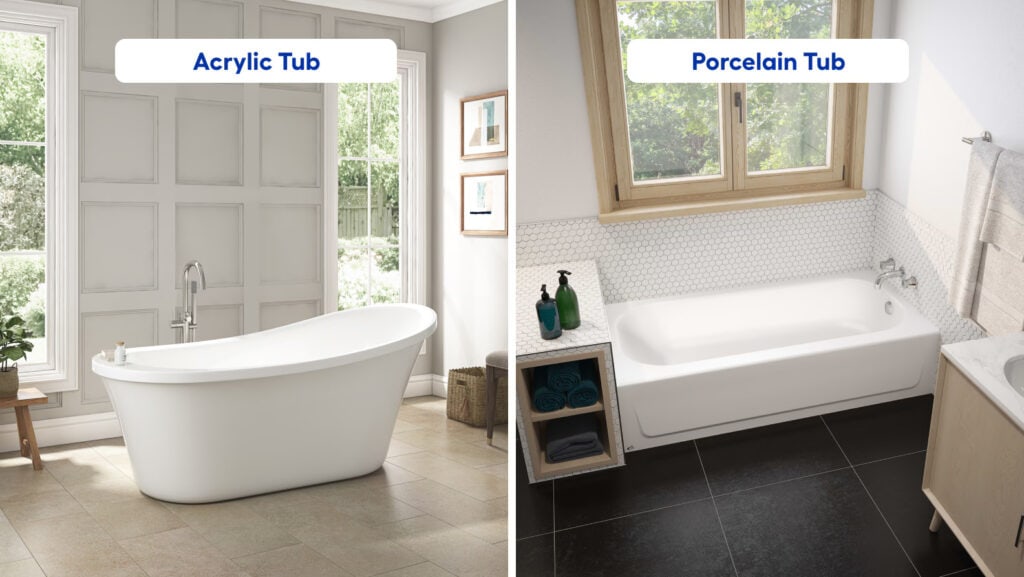
- Sanitary acrylic is a moldable thermoplastic which allows for a wide range of shapes, finishes, and colors. It’s the go-to material for modern, sleek, and customizable designs.
Acrylic tubs offer glossy finishes, clean lines, and contemporary silhouettes. The designs can be molded into freestanding, drop-in, alcove, and corner styles.
- Fiberglass (FRP) tubs are basic and utilitarian, often chosen for budget installations. Limited design options and finishes are available. Design flexibility prevails within standard shapes but lacks premium detailing.
- Cast iron tubs are timeless and elegant, often associated with vintage or luxury interiors. The thick enamel coating gives a rich, glossy finish. Most cast iron tubs are freestanding or clawfoot styles.
- Steel tubs offer a clean, utilitarian look, but with a limited design range. It comes with a smooth enamel finish but lacks depth and warmth. Designs are primarily available in standard alcove or drop-in styles.
- Natural stone tubs are showstoppers, exuding luxury and permanence. Each tub is unique, with natural veining and texture. Heavy and difficult to mold, but stunning in freestanding forms.
- Composite tubs blend modern aesthetics with high-end finishes, offering a polished look without the weight of stone. Smooth, matte or gloss finishes come with seamless edges. Flexible designs can mimic stone, concrete, or even wood textures.
Sanitary Acrylic vs Others: Affordability/Cost Comparison

- Sanitary acrylic bathtubs are made from vacuum-formed acrylic sheets reinforced with fiberglass. They offer a strong balance of cost, quality, and design flexibility.
Price ranges from $400 to $1,200, depending on size, style, and brand. Lightweight construction reduces labor and structural reinforcement costs.
- Fiberglass tubs are the least expensive option, often chosen for budget renovations or temporary installations. The price remains between $200 – $800 USD, with most models under $500. Lightweight and easy to install, even for DIY projects.
- Cast iron tubs are premium fixtures known for their durability and heat retention—but they come at a steep price. The price remains within $1,200 – $3,500, with luxury models exceeding $5,000. An extremely heavy (300–500 lbs) body often requires reinforced flooring and professional labor.
- Steel tubs offer a middle-ground solution, more durable than fiberglass, less expensive than acrylic or cast iron. The price remains within $300 – $900, depending on thickness and finish. It’s heavier than acrylic or fiberglass but easier to handle than cast iron.
- Natural stone tubs are luxury centerpieces, offering unmatched aesthetics and durability—but at a premium. They may cost $2,500 up to $10,000+, depending on the stone type and craftsmanship. High installation cost requires professional handling.
- Composite tubs blend stone and resin for premium performance and modern aesthetics, often mimicking natural stone. It may cost $1,000 – $3,500, with high-end models reaching $5,000+. Heavier than acrylic but lighter than stone; professional installation recommended.
Sanitary Acrylic vs Others: Sustainability
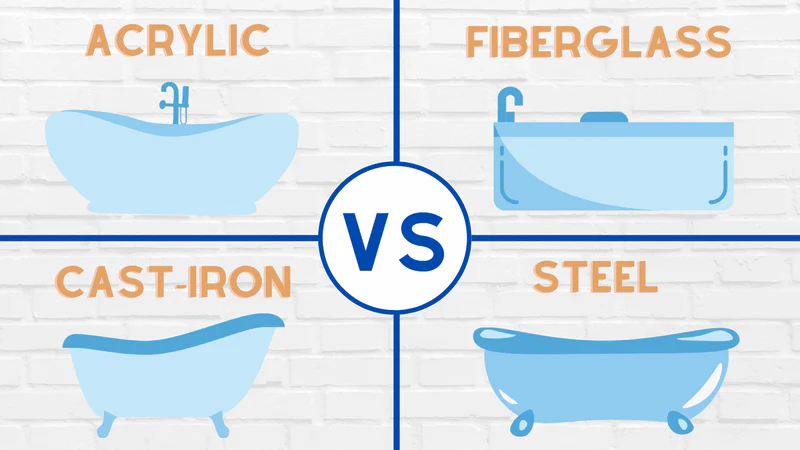
- Sanitary acrylic is made from PMMA (polymethyl methacrylate), a petroleum-based plastic. While not inherently biodegradable, its sustainability depends on manufacturing practices and lifecycle.
Acrylic is technically recyclable, but PMMA recycling infrastructure is sparse. The production requires less energy than metals or stone, but more than fiberglass.
- Fiberglass bathtubs are made from plastic reinforced with glass fibers. They’re cheap and lightweight but raise concerns about long-term sustainability.
Fiberglass is not easily recyclable due to its composite nature. Production is energy-efficient, making it attractive for low-impact builds.
- Cast iron is a legacy material with high durability and recyclability, but its production is energy-intensive. 100% recyclable, and often made from recycled scrap metal. Melting and molding iron requires significant energy, contributing to carbon emissions.
- Steel tubs are made from sheet metal coated with enamel. They strike a balance between recyclability and production efficiency. Steel is one of the most recycled materials globally, with over 80% recovery rates. Lower than cast iron but still significant due to smelting and rolling processes.
- Natural stone tubs are luxurious but raise sustainability concerns due to quarrying and transport. Stone is not recyclable in traditional terms, though it can be repurposed. Quarrying, cutting, and polishing are energy-intensive and water-consuming.
- Composite materials blend natural stone with resins, offering durability and design flexibility with mixed sustainability outcomes. Composite tubs are difficult to recycle due to their hybrid nature. Resin production is petroleum-based, while quartz processing is energy-intensive.
Conclusion
The right bathtub should complement your space, offering long-term value from every aspect. Your decision should shape comfort, hygiene, and sustainability for years to come. And sanitary acrylic stands out as a versatile, cost-effective, and hygienic option for most applications.
Get the Best-Quality Sanitary (Bathtub) Acrylic from JUMEI
Let the most impressive sanitaryware redefine your bathroom with optimal elegance. Jumei Acrylic has been a pioneer in the sanitary acrylic industry for years, driven by innovation, technology, and experience. Contact us to share your specifications for insightful thoughts.
]]>Understanding the differences between the two acrylic variants helps you make an informed decision. This guide should provide all the crucial details to clarify the distinction between the two.
What Is a Regular/Standard Acrylic Sheet?
A regular acrylic sheet is often referred to as standard acrylic or PMMA sheet. Even brand names like Perspex® or Plexiglas® are synonymous with the material.
Chemical Composition
- Base Polymer: Polymethyl methacrylate (PMMA).
- Monomer: Methyl methacrylate (MMA), derived from petroleum-based sources.
- Structure: Linear thermoplastic polymer with repeating MMA units.
- Additives: UV stabilizers, impact modifiers, colorants, and anti-static agents (optional).
Common Variants
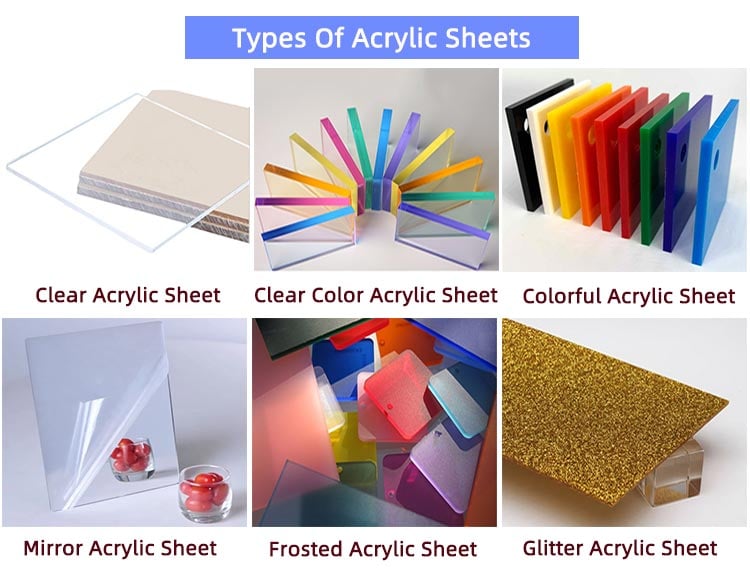
- Cast Acrylic: Made by pouring liquid MMA into molds; offers superior optical clarity.
- Extruded Acrylic: Produced by pushing PMMA through rollers; more cost-effective, less rigid.
- Impact-Modified: Blended with rubbery polymers for added toughness.
- Colored/Translucent: Available in a wide range of hues and light diffusion levels.
- UV-Stable Grades: Enhanced with stabilizers for outdoor durability.
Standard Features
- Transparency: Up to 92% light transmission.
- Density: ~1.18 g/cm³ (about half the weight of glass).
- Hardness: Rockwell M scale ~100.
- Thermal Resistance: Softens at ~100°C; not for high-heat uses.
- Weatherability: Excellent UV resistance in outdoor-grade variants.
- Machinability: Easily cut, drilled, laser-etched, and thermoformed.
General Advantages
- Lightweight: Reduced transportation and installation expenses.
- Impact Resistance: ~17x stronger than glass for safety applications.
- Optical Clarity: Crystal-clear finish suitable for displays and glazing.
- Customizable: Available in various thicknesses, colors, and finishes.
- Weatherproof: UV-stable grades resist yellowing and cracking.
Common Downsides
- Scratch-Prone: Softer surface compared to glass; requires protective coatings.
- Lower Heat Resistance: Not suitable for high-temperature environments.
- Brittle Under Stress: Cracks under sudden impact without modifying solutions.
- Environmental Impact: PMMA production is energy-intensive and petroleum-based.
Standard Applications
- Construction: Skylights, partitions, window glazing, signage.
- Retail + Display: Point-of-sale displays, shelving, product showcases.
- Automotive: Instrument panels, light covers, interior trims.
- Medical: Protective barriers, equipment housings (non-sanitary grade).
- DIY + Crafts: Furniture accents, aquariums, decorative panels.
- Advertising: Illuminated signs, channel letters, outdoor billboards.
The global PMMA market was valued $ at $4.5B in 2023, with millions of metric tons of CO₂ waste during production. This has prompted a shift toward sustainable alternatives to acrylic.
What Is a Sanitary Acrylic Sheet?
Sanitary acrylic sheets are high-performance PMMA-based panels engineered for sterile environments. Unlike standard acrylic, these sheets feature some additional and exclusive properties.
Chemical Composition
Base Polymer: Polymethyl methacrylate (PMMA).
Additives:
- Antimicrobial agents (silver ions or proprietary coatings).
- UV stabilizers for outdoor or high-light environments.
- Impact modifiers for enhanced durability or robustness.
Manufacturing Method: Typically cast acrylic, which yields a smoother, harder surface than extruded variants. This composition ensures a non-porous, glossy, and easy-to-clean surface that resists microbial growth and harsh chemicals.
Common Variants
- Standard Sanitary Grade: Basic antimicrobial and chemical-resistant PMMA sheets.
- Thermoformable Sheets: Designed for tubs, trays, and enclosures at 170°C – 180°C.
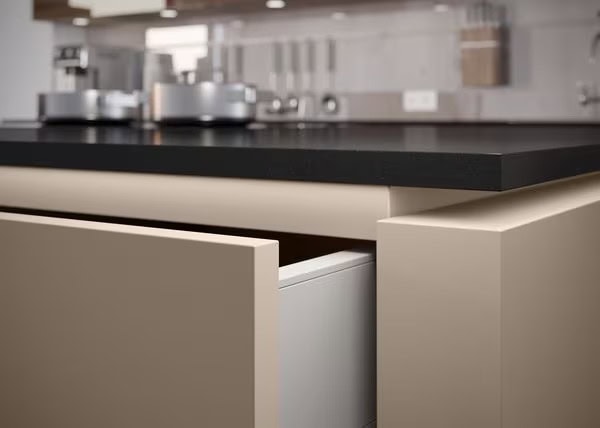
- Color-Matched Panels: Available in ceramic and custom colors for aesthetic integration.
- High-Gloss Finishes: Used in visible areas like hospital walls and food prep zones.
Standard Features
- Non-Porous Surface: No moisture prevents bacterial and mold growth.
- Glossy Finish: Enhanced floor aesthetics and cleaning of gaps on tiles.
- Thermal Stability: Thermoformable at 170°C – 180°C; retains shape below 100°C.
- Chemical Resistance: Withstands disinfectants, acids, and cleaning products.
- Compliance: Meets FDA, USDA, and HACCP hygiene standards.
General Advantages
- Superior Hygiene: Ideal for sterile zones against dirt, germs, and stains.
- Durable and Impact-Resistant: Safer than glass in high-traffic areas.
- Low Maintenance: Easy to disinfect through scrubbing to save cleaning costs.
- Customizable: Available in various colors, thicknesses, and finishes.
- Thermoformable: Easily molded into complex shapes for medical and industrial use.
Associated Limitations
- Higher Cost: More expensive than standard acrylic due to specialized additives.
- Limited Heat Resistance: Not suitable for sustained high-temperature exposure.
- Surface Sensitivity: Potential room for scratching without protective coatings.
- Environmental Impact: Petroleum-based; recycling options/spaces are limited.
Common Applications
- Healthcare: Wall cladding, bed panels, countertops, privacy screens.
- Food Processing: Cutting boards, splash guards, prep surfaces.
- Pharmaceuticals: Cleanroom walls, equipment enclosures, lab benches.
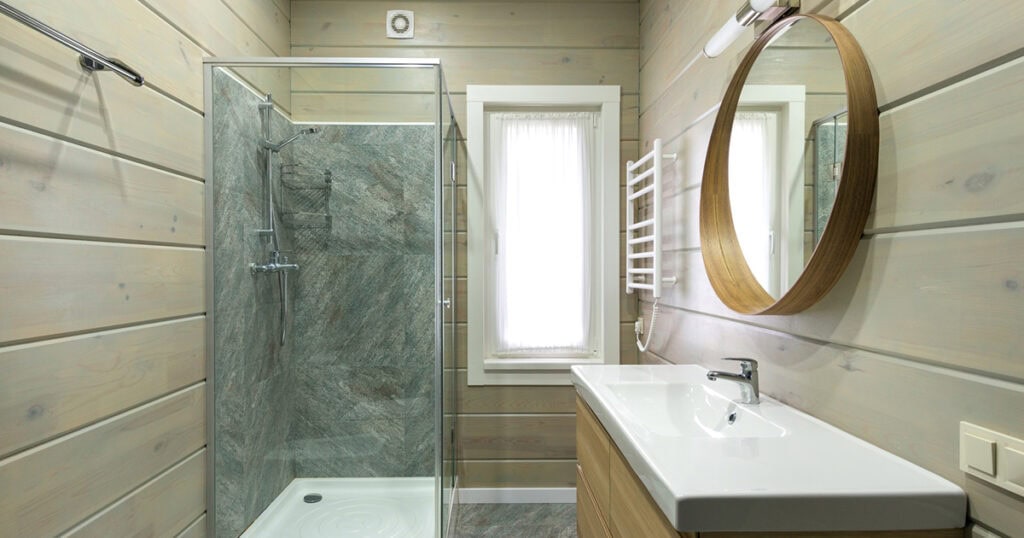
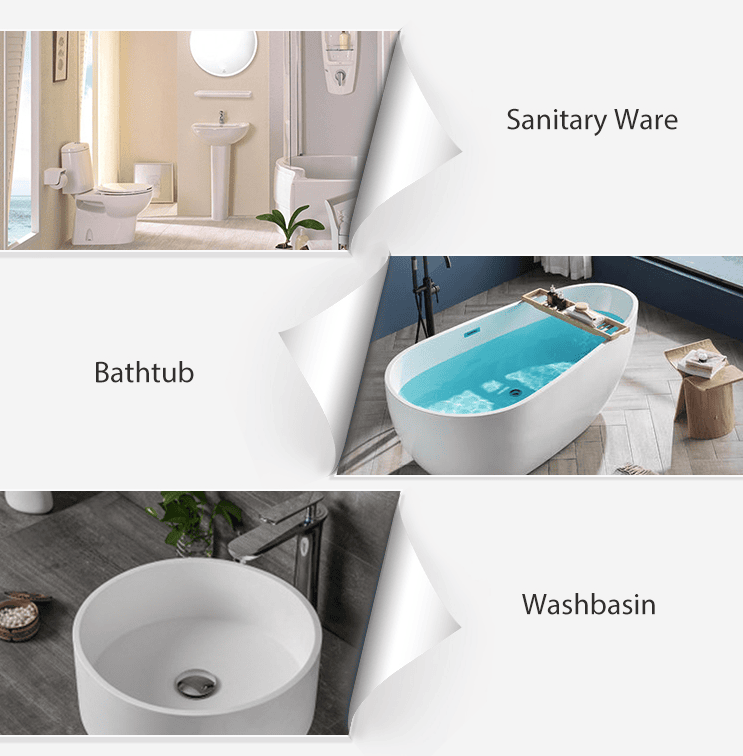
- Sanitary Ware: Installed bathtubs, shower trays, sink panels.
- Hospitality: Hygienic partitions, buffet shields, restroom panels.
Sanitary acrylic with grout lines is widely used in hospital ICUs and cleanrooms. Brands supply these sheets as an alternative to the porcelain system for global healthcare infrastructure.
At 170°C – 180°C, sanitary acrylic softens for shaping. For example, a 5 mm sheet requires ~25 minutes in air-circulation ovens to reach optimal forming temperature.
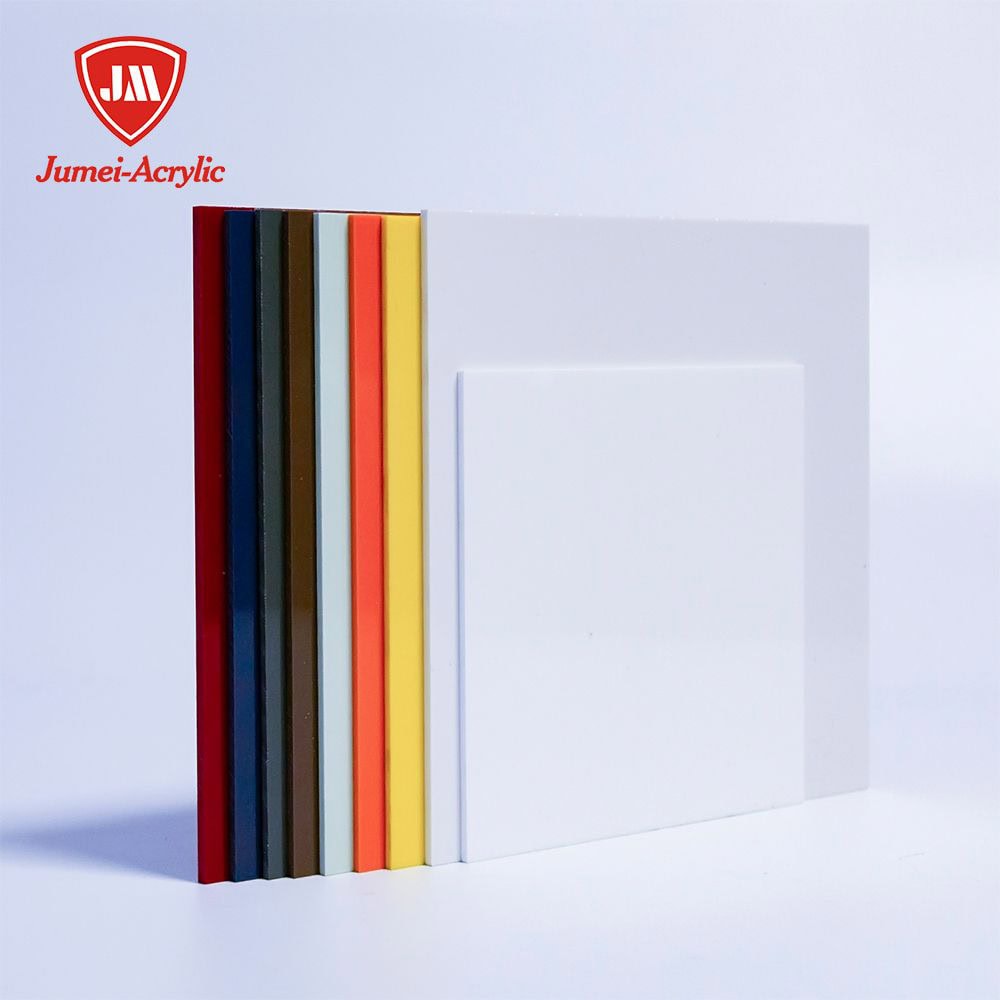
Difference #01: Surface Hygienic (Bathroom)
At the heart of the hygiene debate lies the surface integrity of acrylic. Regular acrylic, while smooth and appealing, is not engineered for sterile environments.
- Their surfaces can develop micro-scratches during machining or daily use. These micro-abrasions become havens for microbial colonies in humid zones.
- Sanitary acrylic is specifically formulated to resist microbial growth across the perimeter. The non-porous, high-gloss surfaces actively eliminate contaminants.
Many sanitary-grade sheets with antimicrobial agents block their ventilation. For instance, silver ions or copper coatings are integrated to inhibit bacterial proliferation.
Chemical Resistance and Cleaning Compatibility
Regular acrylic is sensitive to harsh disinfectants. Alcohol-based cleaners, bleach, and industrial sanitizers can cause clouding, crazing, or surface degradation over time.
- This limits its use in hygiene-critical zones where frequent sterilization is required. Sanitary acrylic, on the other hand, is engineered to withstand repeated exposure to hospital-grade disinfectants.
- It maintains clarity and surface integrity even after hundreds of cleaning cycles. This durability translates into lower maintenance costs and reduced risk of contamination.
Surfaces made from sanitary acrylic showed over 90% reduction in microbial colonies. The result is directly compared to the only 40% – 60% reduction on untreated regular acrylic surfaces.
Difference #02: Durability
The durability of acrylics may hide more than resisting wear under the umbrella. It marks long-term performance under mechanical stress, chemical exposure, thermal cycling, and cleaning protocols.
Sanitary and regular acrylics derive from PMMA in reality. However, essential tips or seams, formulation, surface treatment, and intended application cases diverge significantly.
Mechanical Strength + Impact Resistance
Regular acrylic sheets are known for moderate impact resistance, about 17 times stronger than glass. They remain prone to cracking under sudden force, especially in thinner gauges or extruded formats.
- The surface hardness is typically rated around Rockwell M100. It seems sufficient for general use, but it is vulnerable to scratches and dents in high-traffic environments.
- Sanitary acrylic sheets, often cast and reinforced, are engineered for enhanced toughness and durability. Many variants incorporate impact modifiers or are co-extruded with ABS or fiberglass backings.
- These sheets are designed to withstand daily mechanical stress, such as repeated contact in hospital wards or industrial washdowns, without compromising structural integrity.
In a comparative study, sanitary acrylic retained over 95% of its tensile strength after 12 months of continuous use. Meanwhile, regular acrylic showed microfractures and stress whitening in less than 6 months under similar conditions.
Resistance to Scratches and Abrasion
Regular acrylic is inherently soft and prone to scratching. Even minor abrasions can compromise its clarity and create micro-niches for bacterial growth. While protective coatings exist, they add cost and complexity.
- Sanitary acrylic often includes hardcoat finishes or UV-cured top layers that resist abrasion. These coatings not only preserve aesthetics but also extend the sheet’s usable life in demanding environments.
- In healthcare infrastructures, sanitary acrylic is used to make ICU wall panels, privacy screens, and bed surrounds. Facilities report 5 – 7 years of maintenance-free use, with minimal surface degradation and no structural failures.
Conversely, regular acrylic used in signage or decorative panels often requires replacement within 2–3 years due to yellowing, cracking, or surface wear. It’s particularly applicable in outdoor or high-UV environments.
Difference #03: Customization
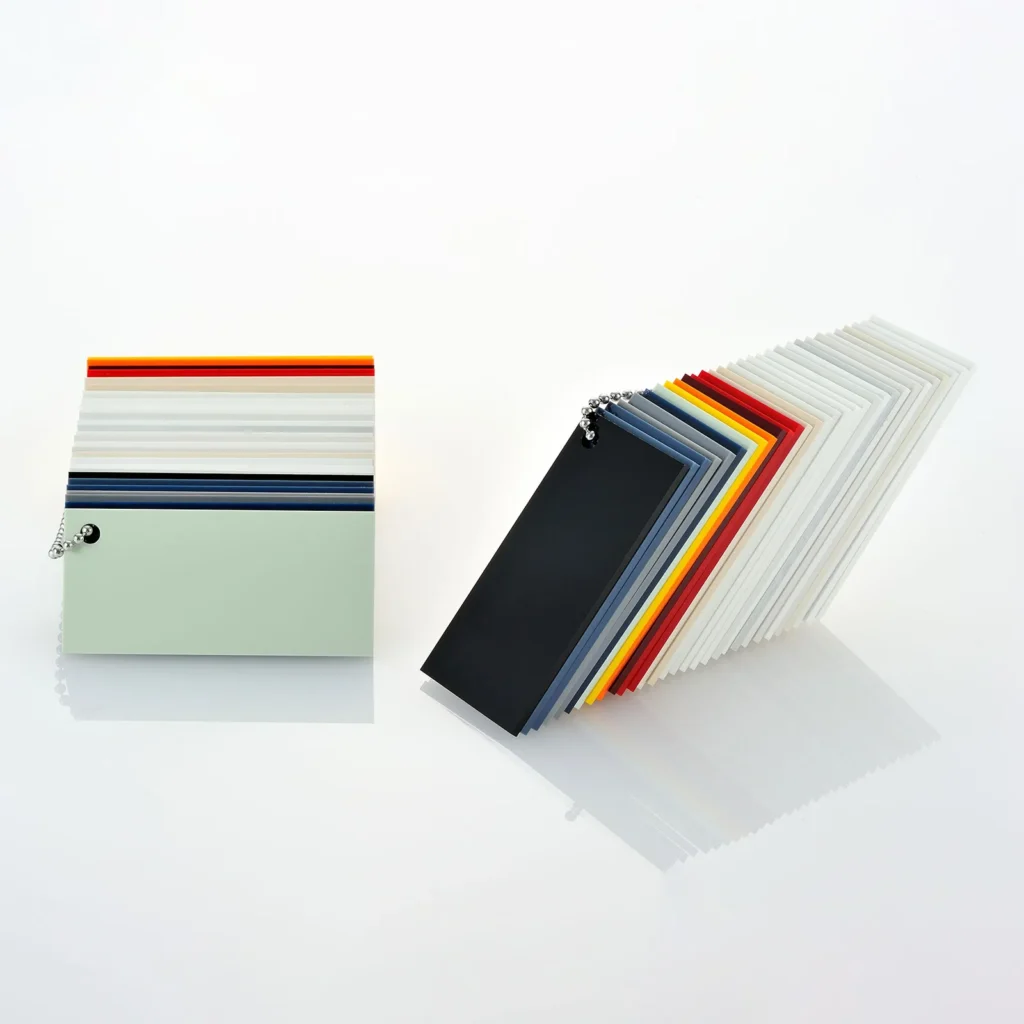
Customization in acrylic materials refers to their adaptability in terms of form, finish, color, thickness, and fabrication techniques. The customization profiles differ significantly due to intended applications, surface treatments, and compliance requirements.
Fabrication Flexibility
Regular acrylic sheets are widely known for their ease of machining and thermoforming. They can be cut, routed, laser-etched, bent, and bonded using standard tools.
- This makes them ideal for signage, retail displays, furniture accents, and DIY projects. Extruded variants, in particular, offer consistent thickness and are cost-effective for mass production.
- Sanitary acrylic sheets, while also thermoformable, are typically cast acrylic with higher molecular weight and enhanced surface properties.
- They require controlled heating environments—usually between 170°C and 180°C—for shaping into complex forms like bathtubs, shower trays, and medical enclosures.
Their fabrication often involves reinforcement with fiberglass or ABS, which adds complexity but also durability. In a 2023 study, sanitary acrylic sheets demonstrated 98% shape retention.
Color and Finish Options
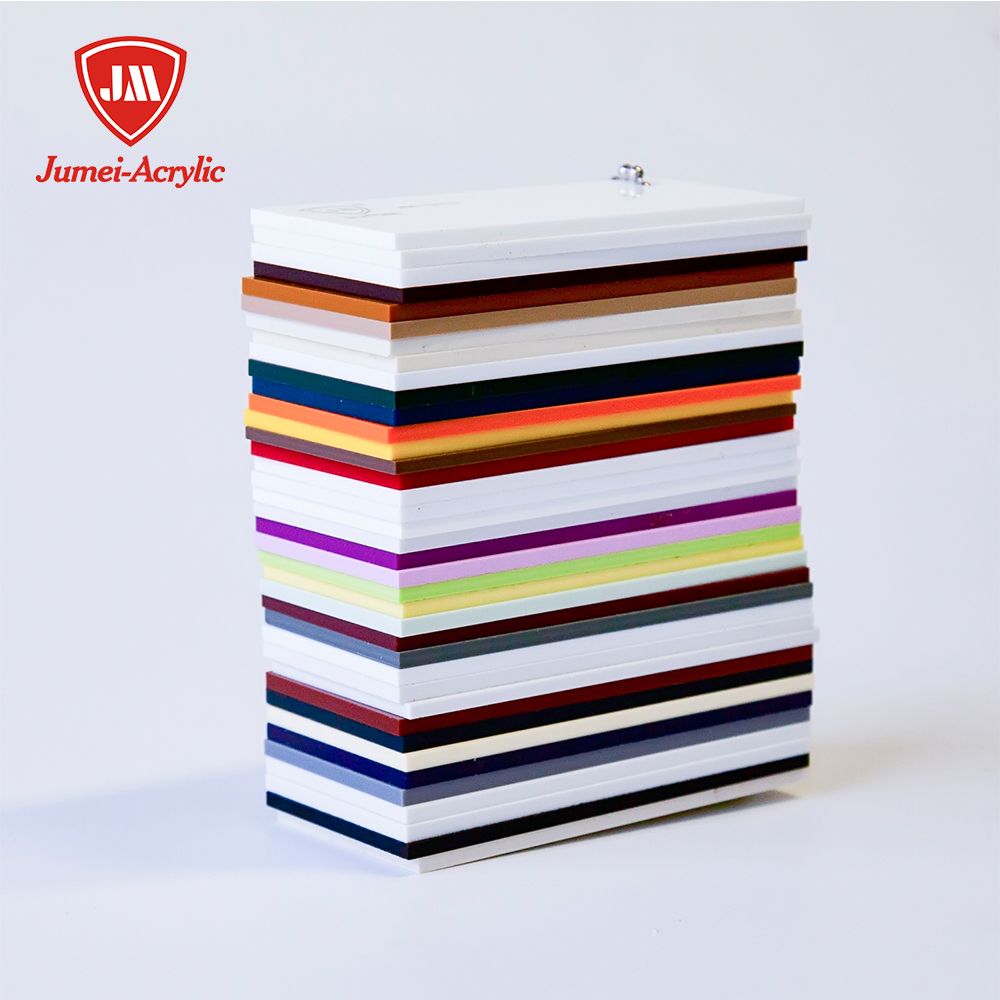
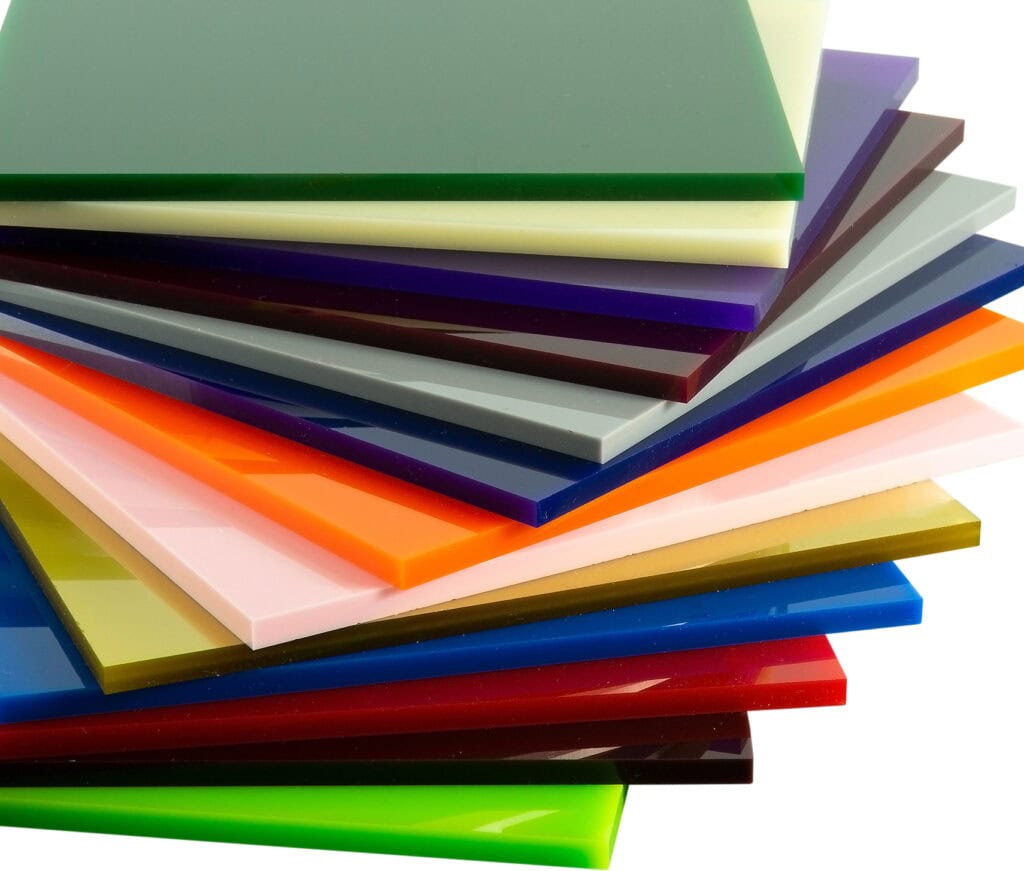
Regular acrylic offers a vast palette of colors, translucencies, and textures. From frosted panels to mirrored finishes, manufacturers like Plexiglas® and Acrylite® provide hundreds of SKUs.
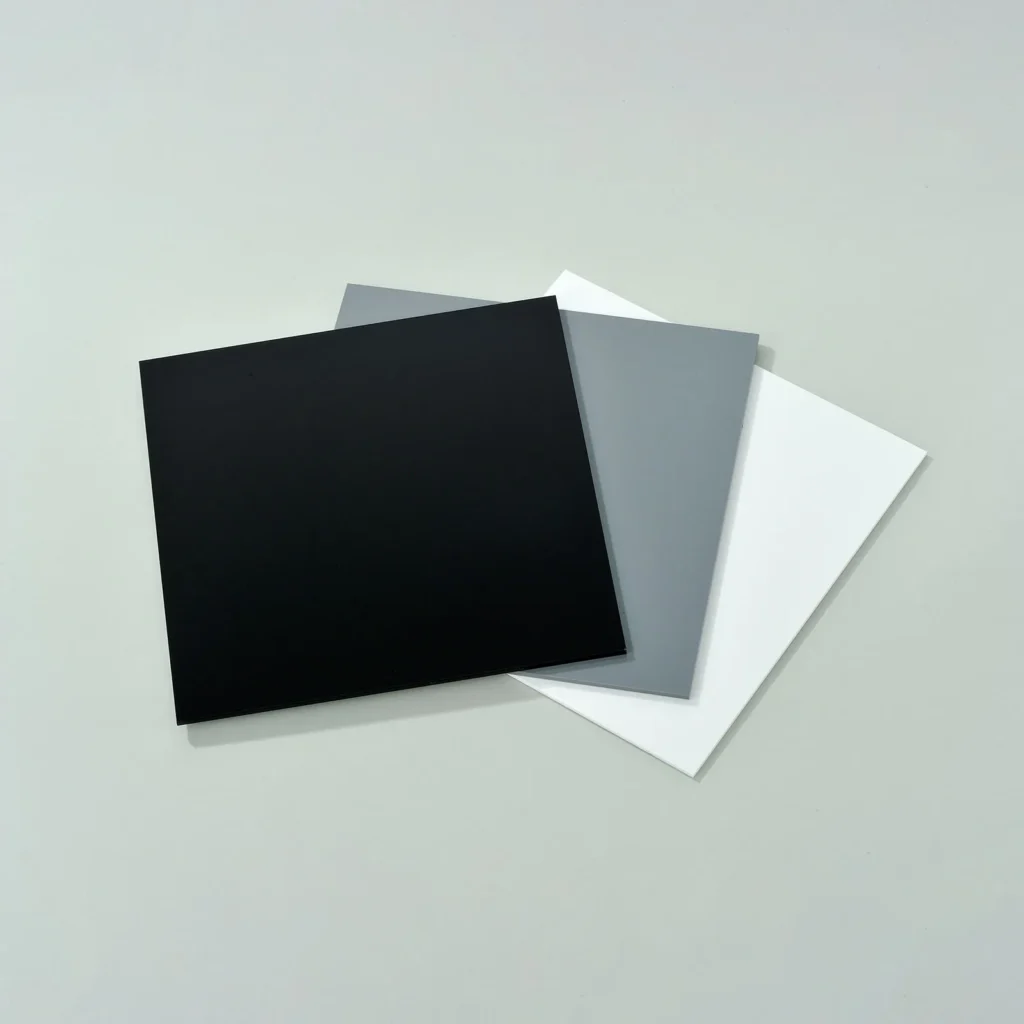
- Sanitary acrylic, while more limited in aesthetic range, focuses on functional finishes. High-gloss white, ceramic tones, and matte textures dominate the category, chosen for their cleanability and compliance.
- Some suppliers offer color-matched sanitary panels for seamless integration into hospital or food-grade environments, but customization is often constrained by hygiene standards.
For example, in a 2024 hospital renovation in Kuala Lumpur, designers opted for sanitary acrylic panels in RAL 9016 Traffic White, a standard medical-grade color, to ensure visual consistency.
Surface Treatments (Epoxy Grout)
Regular acrylic can be coated with anti-glare, anti-static, or UV-resistant layers depending on the application. These treatments are optional and often added post-production.
- However, they may degrade over time, especially in outdoor or chemically aggressive environments. Sanitary acrylic sheets often come pre-treated with antimicrobial coatings, hardcoat finishes, and chemical-resistant layers.
- These are integral to the sheet’s performance, not just aesthetic enhancements. Customization here is less about visual flair and more about functional optimization to ensure the material meets FDA, HACCP, or ISO 22196 standards.
In food processing, splash guards made from sanitary acrylic must withstand the impact of meat juices, disinfectants, and oils. Customization focuses on edge sealing, rounded corners, and seamless joints.
Difference #04: Maintenance
Maintenance for a material means measures about preserving performance, minimizing downtime, and ensuring compliance. Likewise, the maintenance requirements for the two diverge sharply.
Cleaning Protocols and Surface Resilience
Regular acrylic sheets are relatively easy to clean in low-risk environments. A soft cloth and mild soap typically suffice for removing dust and fingerprints.
- However, they are susceptible to harsh chemicals. Alcohol-based cleaners, bleach, and industrial disinfectants can cause crazing, clouding, and surface degradation.
- Over time, even routine cleaning can lead to micro-scratches, which not only dull the surface but also create niches for microbial growth.
- Sanitary acrylic, by contrast, is engineered for frequent and aggressive cleaning cycles. It is designed to withstand hospital-grade disinfectants, including quaternary ammonium compounds, hydrogen peroxide, and peracetic acid.
- These sheets often feature hardcoat finishes or antimicrobial surface treatments, which resist abrasion and chemical attack. In healthcare and food processing zones, this resilience is critical to maintaining hygiene and regulatory compliance.
In a 2023 study conducted by a European sanitaryware manufacturer, sanitary acrylic panels retained 98% of their gloss and surface integrity after 500 cleaning cycles with hospital-grade disinfectants.
Mold, Mildew, and Microbial Resistance
Regular acrylic, while non-porous, is not inherently antimicrobial. In humid environments (kitchens, bathrooms, or food prep zones), it can support the growth of mold and mildew, especially in scratched or poorly sealed areas.
- This necessitates frequent cleaning and occasional replacement to maintain hygiene standards. Sanitary acrylic is specifically formulated to resist microbial colonization.
- Its non-porous surface, combined with antimicrobial additives (silver ions), actively inhibits the growth of bacteria, fungi, and mold. This makes it ideal for sterile environments like hospitals, cleanrooms, and pharmaceutical labs.
Switching from regular to sanitary acrylic panels reduced microbial surface contamination incidents by 68% over six months, while also cutting cleaning labor hours by 30%.
Maintenance Frequency and Lifecycle Costs
Regular acrylic requires more frequent cleaning and inspection in high-touch or high-traffic areas. Scratches, discoloration, and chemical damage often necessitate early replacement.
- It can be as low as 2 – 3 years in demanding environments. This increases both material and labor costs over time. Sanitary acrylic, on the other hand, offers extended maintenance intervals.
- Its durability and chemical resistance allow for daily or shift-based cleaning without degradation. Facilities using sanitary acrylic report 5 – 7 years of maintenance-free performance.
Difference #05: Cost Analysis
When evaluating acrylic materials for an application, cost is often the first metric scrutinized. But the accurate financial picture includes installation, maintenance, compliance, and lifecycle performance.
Upfront Costs (Per Square Foot)
Regular acrylic sheets, especially extruded variants, are widely available and relatively inexpensive. Cast acrylic, which offers better optical clarity and durability, may cost 20–30% more than extruded sheets.
- Sanitary acrylic sheets, however, command a premium due to their specialized formulation. These sheets often include antimicrobial additives, chemical-resistant coatings, and reinforced backings (ABS or fiberglass).
- As a result, sanitary-grade acrylic can cost more per square foot, with molded sanitaryware (shower trays, hospital panels) priced even higher depending on customization and compliance certifications.
Sanitary acrylic bathtubs and enclosures range from $800 to $3,500, depending on size, brand, and features. Regular acrylics for signage or furniture accents may cost as little as $100–$300 per unit.
Installation and Fabrication Costs
Regular acrylic is cheaper. It can be cut, drilled, and bonded using standard tools. However, its lower impact resistance and chemical sensitivity often require protective coatings or frequent replacements.
- Sanitary acrylic is more expensive due to thermoforming requirements and reinforced structure. Still, they provide greater dimensional stability and compliance-ready finishes.
- Regular acrylic may appear more economical at first glance. However, its shorter lifespan, higher maintenance frequency, and limited compliance can inflate total ownership costs.
- Sanitary acrylic, though more expensive upfront, delivers long-term savings, regulatory peace of mind, and operational efficiency in sectors where hygiene and durability are non-negotiable.
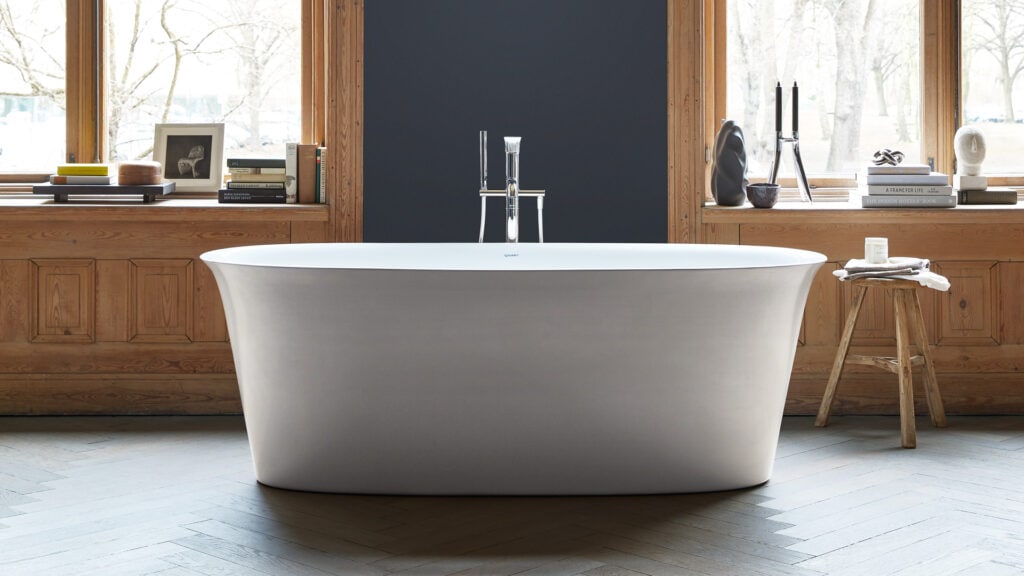
Sanitary vs Regular Acrylic Sheet: Comparison Table
| Category | Sanitary Acrylic Sheet | Regular Acrylic Sheet |
|---|---|---|
| Chemical Composition | PMMA with special additives, finishes, and optional backing | Pure PMMA, extruded or cast without hygiene additives |
| Surface Hygiene | Non-porous, antimicrobial to resist mold and bacteria | Smooth but scratch-prone (no antimicrobial properties) |
| Durability | High impact resistance, abrasion-resistant, and chemically stable in frequent cleaning | Moderate impact resistance; prone to scratching, yellowing, and chemical degradation |
| Cleaning Compatibility | Withstands hospital-grade disinfectants | Sensitive to alcohols and harsh cleaners |
| Customization Options | Molded sanitaryware, seamless panels, color-matched finishes | Wide range of colors, textures, and finishes |
| Compliance Standards | Meets FDA, USDA, ISO 22196, HACCP | May meet general building codes |
| Applications | Hospital ICUs, cleanrooms, food prep zones, bathtubs, shower trays, lab enclosures | Retail displays, signage, furniture accents, partitions, DIY projects |
Conclusion
Acrylic sheets offer versatility, clarity, and performance. The choice between sanitary and regular acrylic is challenging due to their close yet distinct differences in overall specifications. Regular acrylic suffices in decorative or low-risk environments. However, sanitary acrylic is the ultimate option, prioritizing health, safety, and sterility.
Regular or Sanitary – Get the Best Ones from JUMEI
No need to settle for cheap quality acrylics for some mere bucks. Instead, partner with Jumei Acrylic to receive the top-tier acrylic, from sanitary to regular, tailored to meet your project specs. Contact us to connect with our experts, who have been leading the industry for years.
]]>Unlike traditional materials, sanitary acrylics are engineered to resist moisture, stains, and microbial growth. It makes them ideal for functional and decorative applications. And this article explores the advantages of sanitary acrylics.
What Is a Sanitary Acrylic Sheet?
A sanitary acrylic sheet is a high-performance thermoplastic panel made from polymethyl methacrylate (PMMA). It’s engineered specifically for environments requiring strict hygiene standards. Unlike general acrylics, sanitary variants feature distinctive surfaces, coatings, and resistance.
Chemical Composition
Sanitary acrylic sheets are composed of PMMA (polymethyl methacrylate). It’s a synthetic polymer derived from methyl methacrylate monomers. Key chemical traits include –
- High transparency (up to 93% – 95%).
- Outstanding thermal stability.
- Incredibly low water absorption.
- Resistance to acids, alcohols, and disinfectants.
The sheets may further include UV stabilizers, antibacterial additives, and reinforced backing layers.
Available Variations
Sanitary acrylic sheets come in multiple grades, finishes, and dimensions. The noteworthy ones are –
- Glossy vs Satin finishes (ALTUGLAS™ CS and Easy Forming ranges)
- Thickness range from 2.5 mm to 5 mm, with custom options.
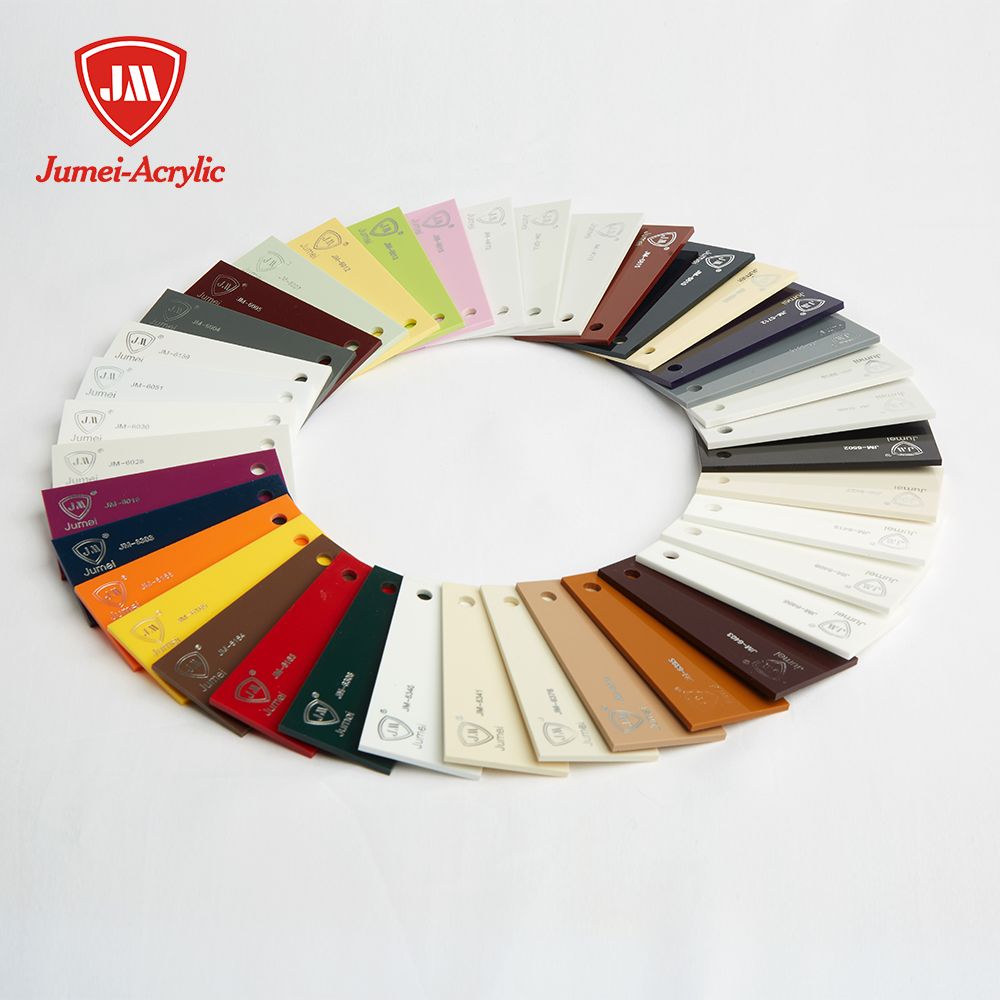
- European white, pastel beige, whisper pink, mandarine, and custom shades.
- Standard sheets range from 850 × 850 mm to 2550 × 1850 mm.
- Precise CNC machining and laser cutting for custom sheet sizes.
What Makes Sanitary Acrylic Sheets Different?
· Antimicrobial Additives Integration
Antimicrobial agents are embedded directly into the polymer matrix during production. It ensures uniform distribution and long-lasting efficacy, unlike cheap surface coatings.
The integration mostly revolves around ‘Silver Ion Technology‘. However, manufacturers also employ different measures (copper alloying or Microban®) to introduce the chemical agent.
· Certifications
Sanitary acrylic sheets often meet –
- FDA 21 CFR 177.1010 for food contact.
- NSF/ANSI 59 for food equipment.
- ISO 9001:2015 for quality management.
- EN 263 for sanitary ware applications.
How Antimicrobial Properties Work
- Silver ions and other agents penetrate microbial cell walls. It disrupts DNA replication, enzyme activity, and cell respiration. It directly triggers mass-scale microorganism death or the inability to reproduce.
- And the proven efficacy works fine against bacteria (E. coli, MRSA), viruses (limited but present), fungi, and mold (prevents biofilm formation).
- Built-in antimicrobial additives remain active for the lifetime of the sheet. Studies show >99.9% bacterial reduction even after years of use.
Example: North Texas Community Health Center installed antimicrobial acrylic partitions. It resulted in a 40% increase in spatial brightness against a 25% drop in patient stress.
Benefit #01: Superior Antimicrobial Protection
- Kills 99.9% of Common Bacteria: Sheets infused with silver-ion or nano-silver antimicrobial coatings can suppress bacteria like Staphylococcus aureus and Escherichia coli.
- Virus Resistance (Including Enveloped Viruses): While not antiviral in the strictest sense, the non-porous surface prevents viral adherence for effective disinfection. Some sheets have permissions regarding ASTM E2180 for antimicrobial efficacy.
- Fungal and Mold Prevention: The non-porous surface inhibits fungal colonization. Antifungal additives like SilverShield® and Microban® in polymeric formulations prevent mold in humid environments.
- Biofilm Formation Prevention: Biofilms are notoriously resistant to cleaning. Sanitary acrylic’s smooth surface and antimicrobial coatings reduce microbial adhesion and quorum sensing, key steps in biofilm development.
- 24/7 Antimicrobial Action: Embedded silver-ion technology remains active throughout the product’s life, offering round-the-clock defense.
- Self-Sanitizing Surface: The antimicrobial layer actively inhibits microbial growth, reducing contamination between cleaning cycles.
- Reduced Need for Frequent Chemical Disinfection: Because the surface resists microbial buildup, facilities can reduce reliance on harsh chemicals, lowering potential pricing of maintenance and environmental impact.
- Maintained Efficacy Over Product Lifetime: UV-stabilized and chemically resistant coatings ensure antimicrobial performance does not degrade over time.
Scientific Evidence
SGS testing confirms compliance with EN 263:2008 standards for antimicrobial performance, water absorption, and thermal stability.
Studies by SGS and Intertek have shown that untreated acrylic surfaces can harbor up to 10,000 CFU/cm² (colony-forming units), while antimicrobial-treated acrylic sheets consistently maintain levels below 10 CFU/cm², even after repeated exposure to contaminants.
Relevant Applications
- Hospital Operating Rooms and Wards: Reduced HAIs (hospital-acquired infections) by supporting sterile barrier protocols.
- Food Preparation Surfaces: Prevention of cross-contamination that complies with FDA food contact safety standards.
- Laboratory Workbenches: Maintaining aseptic conditions, as they can resist chemical spills and microbial colonization, including the http server.
- Public Restroom Facilities: Resistance against high humidity and frequent applications means no more odor-causing bacteria.
- Schools and Childcare Environments: Protection against vulnerable populations; minimizes the spread of colds, flu, and skin fungi.
Benefit #02: Steady Cleaning and Maintenance
- Non-Porous Surface: Acrylic is inherently non-porous, meaning it doesn’t absorb moisture or harbor bacteria. This makes it ideal for hospitals, food prep areas, and bathrooms.
- Stain Resistance: The smooth, sealed surface resists staining from cosmetics, oils, and common household chemicals. HUASHUAITE® SW acrylic sheets, for example, maintain clarity even after repeated exposure to harsh substances.
- Chemical Compatibility: Acrylic is compatible with disinfectants like diluted bleach, hydrogen peroxide (3% – 5%), and isopropyl alcohol (30% – 70%). It resists degradation from these agents, unlike materials like painted surfaces or tile grout.
- Smooth Surface Finish: Advanced manufacturing techniques like flame polishing and CNC routing produce ultra-smooth edges and surfaces, reducing dirt adhesion and simplifying cleaning.
Maintenance Requirements
Routine cleaning involves wiping with a soft microfiber cloth and mild soap or detergent in lukewarm water. For disinfecting, use diluted bleach (5 tbsp per gallon), hydrogen peroxide, or approved cleaners like Lysol with peroxide.
- Compatible Cleaning Agents: Palmolive, Brillianize, diluted alcohols, and anti-static sprays are safe. Avoid ammonia, acetone, gasoline, and abrasive compounds.
- Frequency of Cleaning: Choose weekly or biweekly cleaning depending on traffic. Got for a monthly or quarterly cleanup in high-traffic or healthcare settings.
- Equipment Needed: Microfiber cloths, soft sponges, anti-static sprays, and optional ionized air guns for dust removal. No need for harsh scrubbing tools or specialized machinery.
Cost Savings Through Reduced Maintenance
- Labor Time Reduction: Cleaning acrylic takes 30–50% less time than tile or stainless steel due to its smooth, non-porous surface. Ionized air cleaning eliminates manual dusting, saving person-hours.
- Chemical Consumption Decrease: Less frequent use of harsh chemicals due to stain resistance and easy wipe-down protocols. Compatible with eco-friendly, low-volume cleaners.
- Equipment Longevity: Acrylic’s resistance to corrosion and chemical wear extends the life of cleaning tools and surrounding fixtures.
- Reduced Replacement Frequency: High-quality acrylic sheets like ALTUGLAS™ and HUASHUAITE® are engineered for a 30-year design life. UV stability and scratch resistance lessen the need for refinishing or replacement.
Benefit #03: Chemical (Stain) Resistance
Sanitary acrylic sheets, primarily made from polymethyl methacrylate (PMMA), exhibit broad-spectrum chemical resistance, making them ideal for high-sanitation environments.
Resistance to Common Disinfectants
- Isopropyl alcohol (IPA): Safe for short-term exposure (≤30 min); prolonged contact may cause brittleness.
- Bleach (Sodium hypochlorite 5%): Compatible for routine disinfection.
- Quaternary ammonium compounds (Quats): Mild and effective; widely used in healthcare cleaning protocols.
Compatibility with Industrial Cleaning Chemicals
- Hydrogen peroxide (3%): Excellent compatibility; preferred for medical-grade sanitation.
- Ammonia-based cleaners: Generally safe for acrylic surfaces.
- Acids and bases: Acrylic resists weak acids (pH 3–5) and bases (pH 9–11) with no degradation.
Solvent Resistance Characteristics
Sensitive to strong solvents like acetone, MEK, and aromatic hydrocarbons (toluene, benzene), which can cause swelling or cracking. Stress-free cast acrylic performs better under chemical exposure than extruded or stressed variants.
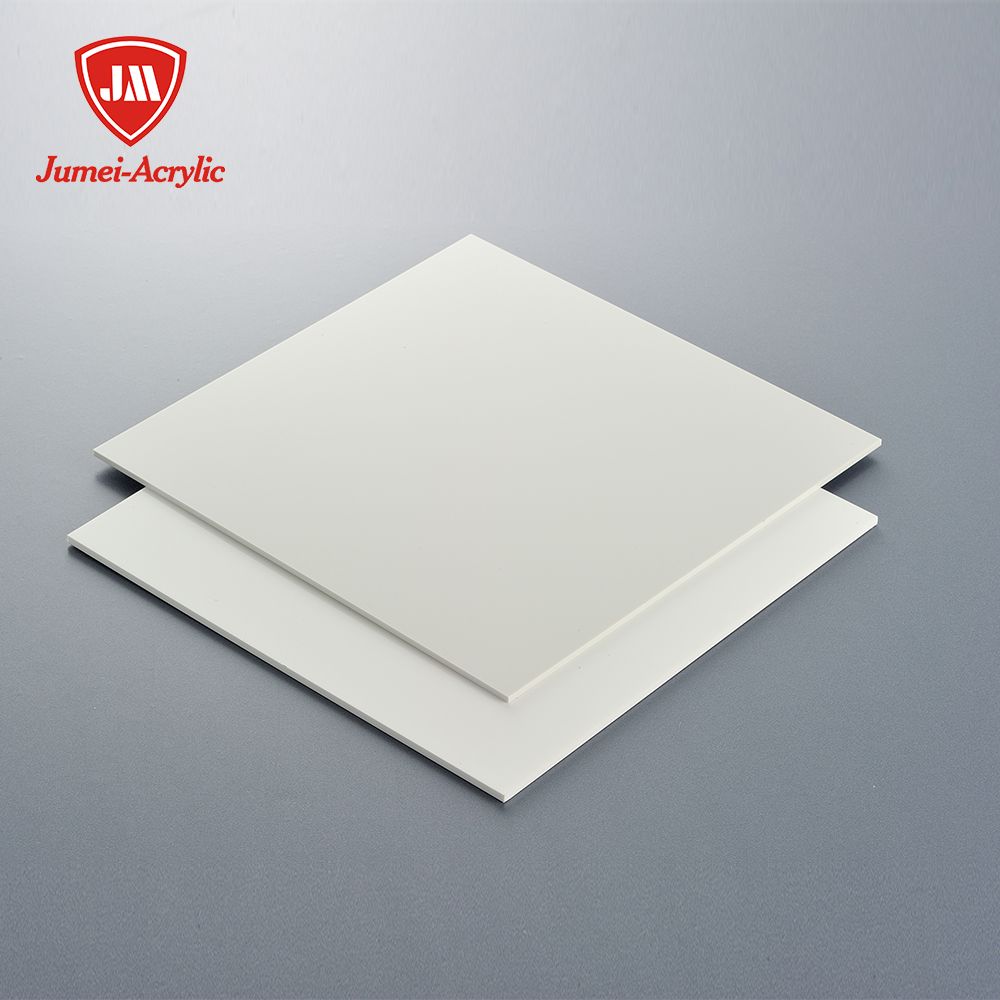
Stain Prevention Capabilities
- Food and Beverage Resistance: FDA-compliant for food contact (21 CFR 177.1010), excluding high-alcohol foods. It resists staining from vinegar, sauces, oils, and acidic foods like citrus.
- Medical Substance Stain Prevention: Tested against blood, iodine (Betadine), and urine with no visible staining after 24 – 48 hours. Easy to clean with hot water and non-abrasive detergent; antimicrobial coatings available
- Ink and Marker Resistance: NF-certified sheets (EN 263) show resistance to marker ink and paint, making them suitable for educational and public spaces.
- Long-Term Color Stability: UV-stabilized acrylic resists yellowing and maintains optical clarity for years. ASTM D4802 and ISO 9001:2015 certified for durability and color fastness.
Surface Integrity Maintenance
- No Degradation from Repeated Chemical Exposure: Withstands daily cleaning in hospitals, labs, and food service without surface damage. Maintains tensile strength and gloss even after 7-day exposure to disinfectants.
- Maintained Surface Smoothness Over Time: Non-porous, glossy finish resists micro-abrasions and retains smoothness. Flame polishing and CNC finishing ensure long-term edge and surface quality.
- UV Resistance and Color Fastness: UV stabilizers absorb harmful rays, preventing yellowing and brittleness. Several manufacturers offer a 10-year UV warranty.
- Temperature Cycling Durability: Operates reliably between -40°C to +80°C; Tg around 105°C. Resistant to thermal stress cracking and deformation under seasonal fluctuations.
Benefit #04: Long-Term Durability
- Impact Resistance: Acrylic sheets are up to 10x more impact-resistant than glass, making them ideal for high-traffic and safety-critical environments.
- Scratch Resistance: Cast acrylic sheets like AGLAS SAN offer Brinell hardness of 36 HB, ensuring resistance to surface abrasion over time.
- Flexural Strength: AGLAS SAN sheets exhibit a bending strength of 117 MPa, surpassing many thermoplastics and maintaining structural integrity under load.
- Tensile Strength: With tensile strength values around 70 MPa, acrylic sheets resist cracking and deformation under tension.
Environmental Durability
- Temperature Tolerance: Acrylic sheets remain stable between -40°F and 180°F. Beyond 180°F, deformation may occur, but some variants extend usability up to 120°C (248°F).
- Humidity Resistance: Water absorption rates are as low as 0.011%. That’s how acrylic sheets resist swelling, rotting, and microbial growth in humid environments.
- UV Stability: UV-protected acrylic sheets block 98% – 99% of UV rays, preventing yellowing and brittleness even after 10+ years of outdoor exposure.
- Thermal Cycling Resistance: Some sheets hold action through repeated heating or cooling cycles. No surface deterioration occurs under certified EN 263 and NF116 standards.
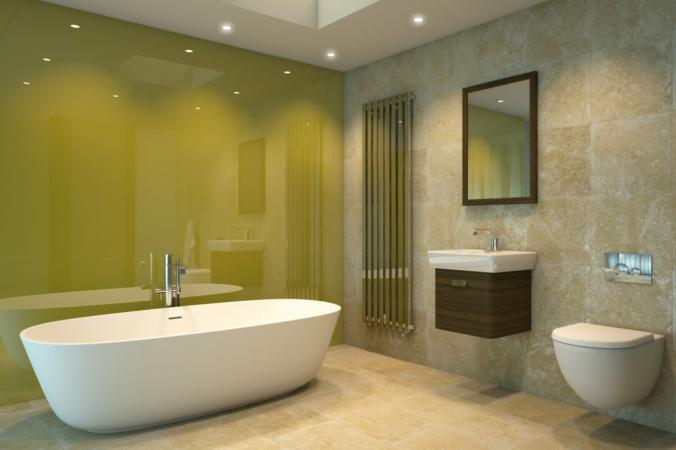
Wear Pattern (Including Shower Walls)
- High-Traffic Area Performance: In hospitals and food service zones, acrylic partitions show minimal wear after years of use, retaining clarity and structural strength.
- Edge Durability and Chip Resistance: CNC and laser-cut edges, combined with flame polishing, produce smooth, chip-resistant finishes that withstand frequent handling.
- Surface Wear Over Time: Acrylic retains gloss levels of ≥87 GU even after thermal treatment, with no significant haze or microcracking under normal use.
- Antimicrobial Properties Through Wear: Sheets embedded with Microban® technology maintain >99.9% bacterial suppression throughout their lifecycle.
Commercial Testimonials
Ta Fu Chi Plastic reports over 100,000MT of acrylic sheets deployed in commercial bathrooms, partitions, and cabinets with minimal failure rates. ALTUGLAS™ sheets used in bathtubs and shower trays across Europe are certified for thermal stability and long-term sanitary use.
Benefit #05: Customized Fabrication
- Standard Sizes: Common dimensions include 1220×2440 mm, 2050×3050 mm, and 2100×3100 mm.
- Custom Cutting: Sheets can be laser-cut, CNC-machined, or sawn to precise dimensions, supporting complex layouts and fixture integration.
- Thickness Range: Available from 1.8 mm to 40 mm, with popular sanitary grades between 2.5 mm and 5 mm.
- Large Format Possibilities: Sheets up to 3050 mm in length are used for spa tubs and wall panels.
- Complex Shape Fabrication: Thermoforming grants access to deep draws and intricate contours for bathtubs, basins, and shower trays.
Surface Treatment Options
- Textured Finishes: Matte, frosted, and satin finishes reduce glare and add tactile appeal.
- Anti-Glare Treatments: Ideal for high-light environments like clinics and spas.
- Color Options: Over 60 standard colors available; custom color matching supported for brand consistency.
- Printed Graphics: UV printing and screen printing allow branding, instructions, or decorative patterns.
- Embossed Designs: Used in luxury sanitary ware for visual depth and anti-slip surfaces.

Edge Finishing (Wall Panels)
- Polished Edges: Flame or buff polishing creates a glossy, clean finish.
- Beveled Edges: Adds elegance and reduces sharpness for exposed edges.
- Rounded Corners: CNC or manual rounding for child-safe and ergonomic designs.
- Custom Profiles: Edges can be shaped to fit frames, seals, or adjoining materials.
- Joining Methods: Solvent welding, mechanical fasteners, and adhesive bonding ensure watertight seams.
Hardware Integration
- Mounting Compatibility: Sheets can be drilled or slotted for wall brackets, floor mounts, or embedded supports.
- Attachment Methods: Screws, adhesives, and clamping systems are commonly used.
- Hinge and Pivot Systems: Acrylic-compatible hinges like Acryl-Hinge 2 allow wrapped or flat installations.
- Locking Mechanisms: Integrated drop-lock systems are used in sanitary stations and vending units.
- Electrical Integration: Sheets offer high dielectric strength (30 kV/mm) and low water absorption (0.3%), making them safe for embedded lighting and sensors.
Design Support Services
- Engineering Consultation: Experts assist with material selection, forming techniques, and compliance.
- CAD File Support: 3D models and DWG blocks available for integration into architectural plans.
- Installation Planning: Guides and videos help with surface prep, sealing, and mounting.
- Technical Specs: Sheets conform to EN 263, ISO 9001, and ASTM D4802 standards.
- Project Management: OEMs like Jumei and AML provide end-to-end support from prototyping to delivery.
Bonus: Safety (Fire Resistance)
- Shatter-Resistant: Acrylic is up to 17 times more impact-resistant than glass, reducing the risk of dangerous shards during breakage.
- Edge Safety Considerations: Sheets are often supplied with rounded or polished edges, minimizing cuts and abrasions during handling or installation.
- Impact Resistance in High-Traffic Areas: With a Charpy impact strength of 12 kJ/m² and Rockwell hardness of M95, acrylic sheets withstand frequent contact in hospitals, labs, and public restrooms.
- Reduced Injury Risk from Breakage: Unlike glass, acrylic breaks into large, blunt fragments, significantly lowering injury risk in case of accidental damage.
Fire Safety Properties
- Self-Extinguishing Characteristics: Many sheets meet UL94 HB flammability rating, meaning they burn slowly and may self-extinguish when the flame source is removed.
- Flame Spread Ratings: Acrylic sheets typically have a low flame spread index, making them suitable for interior wall cladding in regulated environments.
- Smoke Generation Properties: Compared to PVC or polycarbonate, acrylic emits less toxic smoke, aiding visibility and reducing respiratory hazards during evacuation.
- Building Code Compliance: Products like PLEXIGLAS® meet ANSI Z97.1 safety glazing standards at thicknesses ≥0.080″.
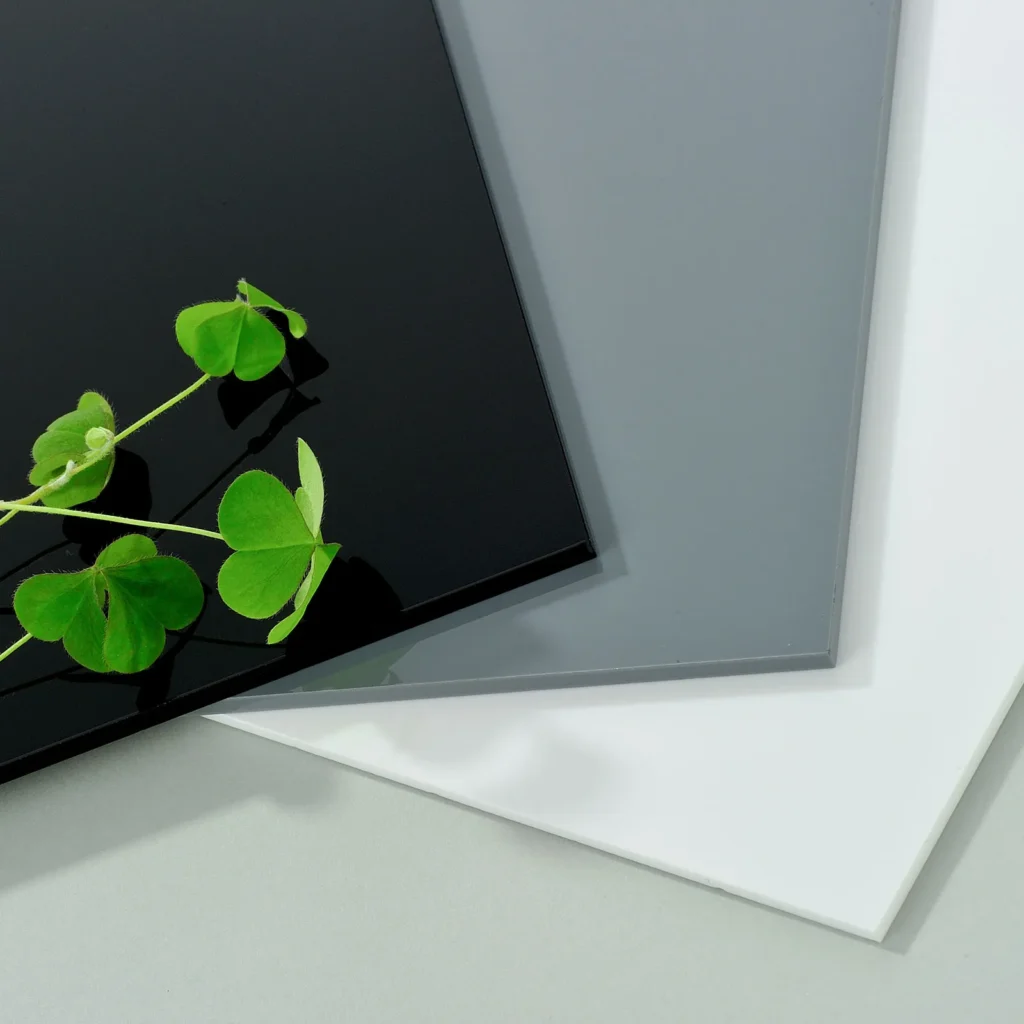
Electrical Safety Features
- Electrical Insulation Properties: Acrylic has a dielectric strength of 30 kV/mm, making it highly resistant to electrical breakdown.
- Static Electricity Considerations: Acrylic is an insulator and can accumulate static charge. Anti-static variants like AC-300 Cast Acrylic dissipate charge in <0.05 seconds, preventing ESD events.
- Grounding Requirements: Standard acrylic does not require grounding unless used in environments with flammable vapors. Anti-static sheets should be grounded to prevent tribocharging.
- Use Around Electrical Equipment: Acrylic is widely used in electrical enclosures, control panels, and cleanrooms, thanks to its infrared transparency and non-conductive nature.
Health and Safety Compliance
- Non-Toxic Material Certification: Products like ALTUGLAS™ and Jumei sheets are certified ISO 9001, CE, RoHS, and REACH, ensuring no heavy metals or toxic additives.
- VOC Emissions: Chemcast® EcoGreen sheets are VOC-free, reducing indoor air pollution and supporting LEED credits.
- Food Contact Safety Approvals: ACRYLITE® sheets meet FDA 21 CFR 177.1010 for food contact, suitable for hot-filled applications up to 150°F.
Purchasing acrylic isn’t precisely like everyday online shopping. ‘Select or click on the product to add the items to the cart’ – it doesn’t work that way. Instead, you’ll have to be interested in consultation first.
Conclusion
Sanitary acrylic sheets hold a winning combination of hygiene, durability, and design flexibility. From a sleek, modern finish to strict or heavy sanitation applications, they deliver on every front. Every benefit appears to be both immediate and long-term for suitable projects.
Get Your Sanitary Acrylic Sheets from JUMEI
No need to overwhelm yourself, even with the strictest standards and topmost quality. Jumei Acrylic is ready to deliver sanitary acrylics from the core. We have the best equipment, standards, expertise, and commitment to meet your needs. Contact us to know how we can meet your specs.
]]>