Display materials silently but surely hold your brand’s professionalism, quality, and attention to detail. Acrylic displays have emerged as a standout choice to combine visual appeal with practical functionality.
Why Acrylic Displays Are Ideal for Retail and Business Promotion?
Display options can range from traditional glass to flexible polycarbonate and other plastics. Nonetheless, acrylic or plexiglass remains on top to handle retail and business promotion.
a. Professional Aesthetics
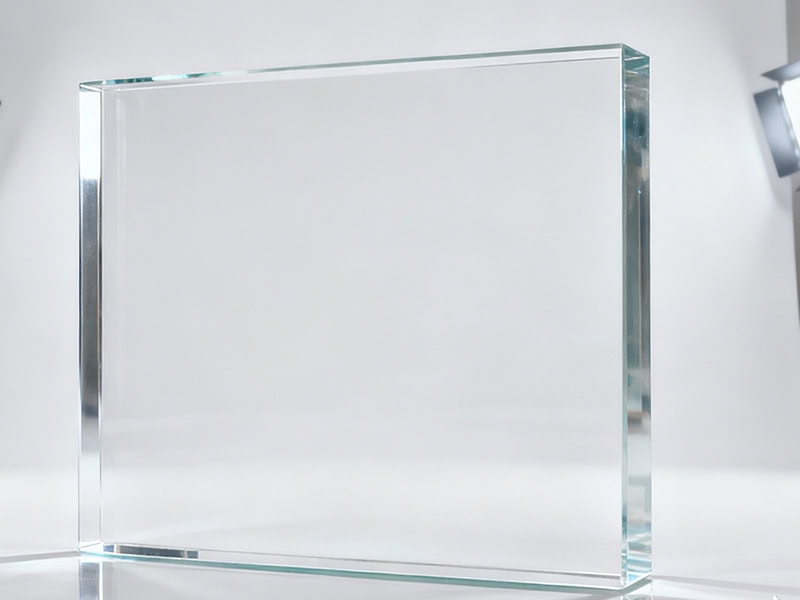
Acrylic’s crystal-clear transparency is directly comparable to standard glass. However, the former comes with greater resilience. Even the clean, polished, and modern look enhances product visibility.
Such clarity can draw instant attention to the product rather than the display itself. You can showcase valuables like cosmetics, showpieces, consumer electronics, jewelry, and promotional materials.
Brand Compatibility: Acrylic complements diverse brand identities. Luxury boutiques now use polished acrylic risers. Meanwhile, tech startups leverage the material’s minimalist brochure holders.
Japan’s Muji stores extensively implemented plexiglass acrylic to reinforce their minimalist branding. Even the luxury retailers in Paris leveraged the advantages of frosted acrylic for elegant signage.
b. Durability and Longevity
Acrylic plexiglass is scratch-resistant and UV-stable from the start. It’s rather suitable for indoor and outdoor use. Even prolonged exposure to harshness can’t initiate yellowing and cracking over time.
Material Strength: Acrylic is 17x stronger than glass and weighs half as much, reducing breakage risk.
Always choose cast acrylic for premium durability and extruded acrylic for on-budget bulk displays.
c. Versatility for Retail Displays
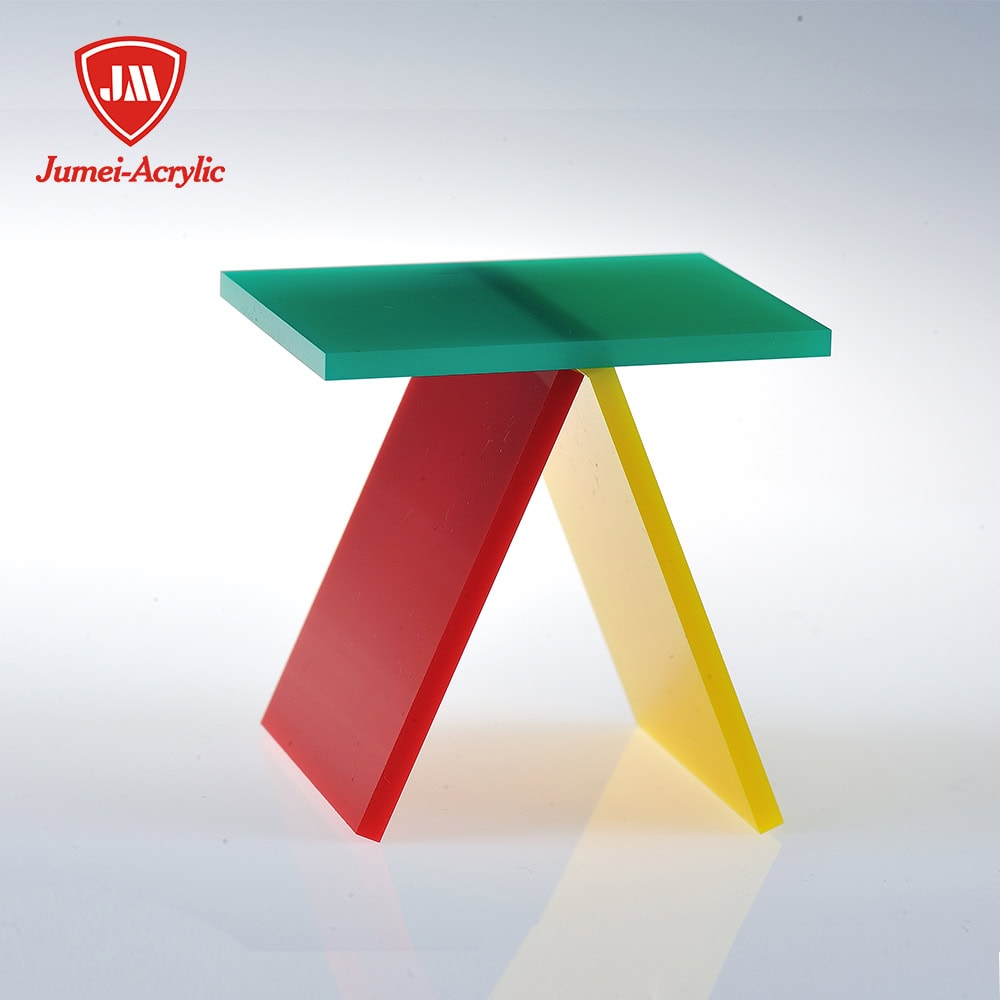
Capable manufacturers can cut, bend, engrave, or print modern acrylic into any shape or design. Such versatility makes the thermoplastic perfect for custom branding, thematic displays, and modular setups.
You can literally ask for anything from the right manufacturers, like Jumei. Acrylic, when appropriately implemented, can deliver anything – laser-cut logo plaques, curved product stands, or tiered shelving.
Beauty retailers like Sephora rely on custom acrylic makeup organizers to streamline product access. The adoption of plexiglass sheets in this case set an example by reinforcing the brand’s aesthetics.
d. Cost-Effectiveness
Acrylic requires more initial investment for business needs than alternatives like metal, wood, or PVC objects. The durable material with low maintenance eventually justifies the cost for a fast turnaround.
Retailers can reduce up to 30% in display replacement costs over 5 years upon switching. Regular cleaning with microfiber cloths and mild soap keeps acrylic looking new without special treatments.
e. Lightweight and Portable
Acrylic’s lightweight nature enables easy handling, transportation, and installation. Mobile businesses, trade shows, and seasonal promotions have immensely benefited from lightweight acrylic sheets.
Acrylic signage and product holders have become the global standard for expos like CES and Ambiente. Modular frames (stackable and collapsible) simplify logistics for pop-up shops and traveling vendors.
f. Acrylic Sheet Customization
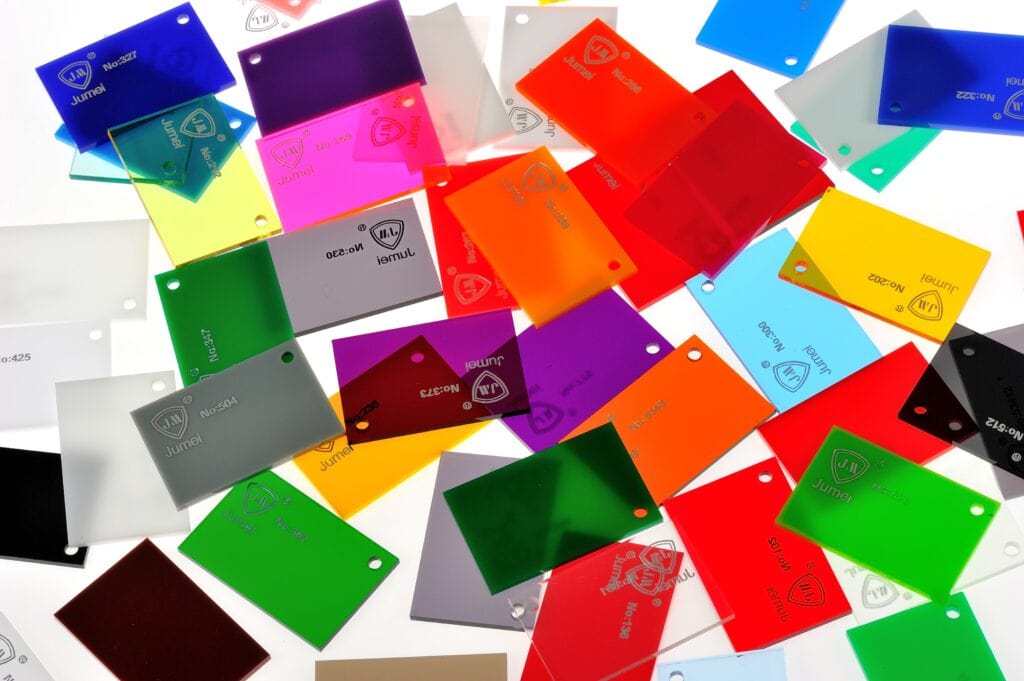
As mentioned, you can opt for different methods, from laser engraving to colored acrylic panels. And businesses can personalize displays to reflect their brand identity. Options include –
- Logo printing.
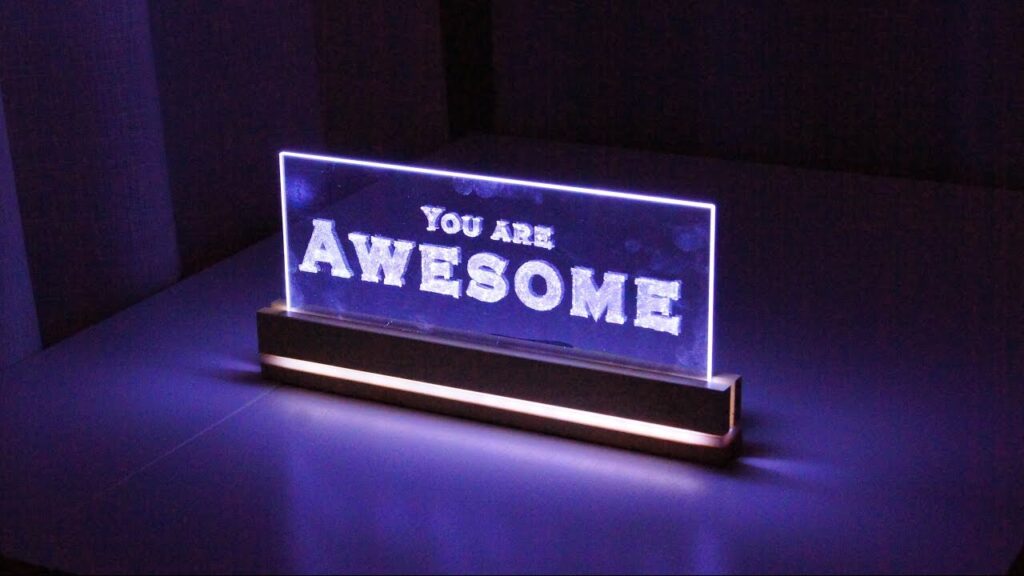
- Backlit acrylic signage.
- Colored or frosted finishes.
- Modular display systems.
Brands extensively choose gold-tinted acrylic for premium appeal across Dubai’s retail hubs. Meanwhile, eco-conscious brands in Scandinavia mostly go for recycled acrylic variants.
Different Acrylic Displays for Retail and Business Promotion
Even acrylic displays come in various forms. You can look into a particular option to enhance product visibility, brand messaging, and customer engagement.
01. Acrylic Sign Holders and Frames
Display menus, price tags, and promotional offers + directional signage in a professional format.
The designs are available in countertop, wall-mounted, and hanging styles. Such formats suit diverse retail layouts, from cafes and salons to tech stores.
Consider implementing double-sided holders in high-traffic areas to keep your brand visible.
Acrylic sign holders have been the norm across IKEA stores worldwide to label product sections clearly. The holding frames also highlight seasonal offers.
02. Acrylic Display Stands
Elevate featured or exclusive products to draw attention towards bestsellers or new arrivals.
Jewelry stores invest in tiered acrylic risers to showcase rings and watches. Meanwhile, electronics retailers highlight gadgets like smartwatches or earbuds.
High design flexibility makes them available in U-shapes, stair-step risers, and pedestal forms. Elevated displays can increase product interaction by up to 28%.
03. Acrylic Brochure and Literature Holders
Organize and present your flyers, catalogs, and/or leaflets in a tidy yet accessible way. It’s common in reception areas, trade shows, and retail counters.
Choose from single-pocket, multi-tiered, and rotating holders to accommodate different volumes.
Many hotels and tourism centers in Europe drill holes to install wall-mounted acrylic holders. They particularly hold and display multilingual brochures.
04. Acrylic Display Boxes and Cases
Protect your valuable or fragile items on display while maintaining complete visibility.
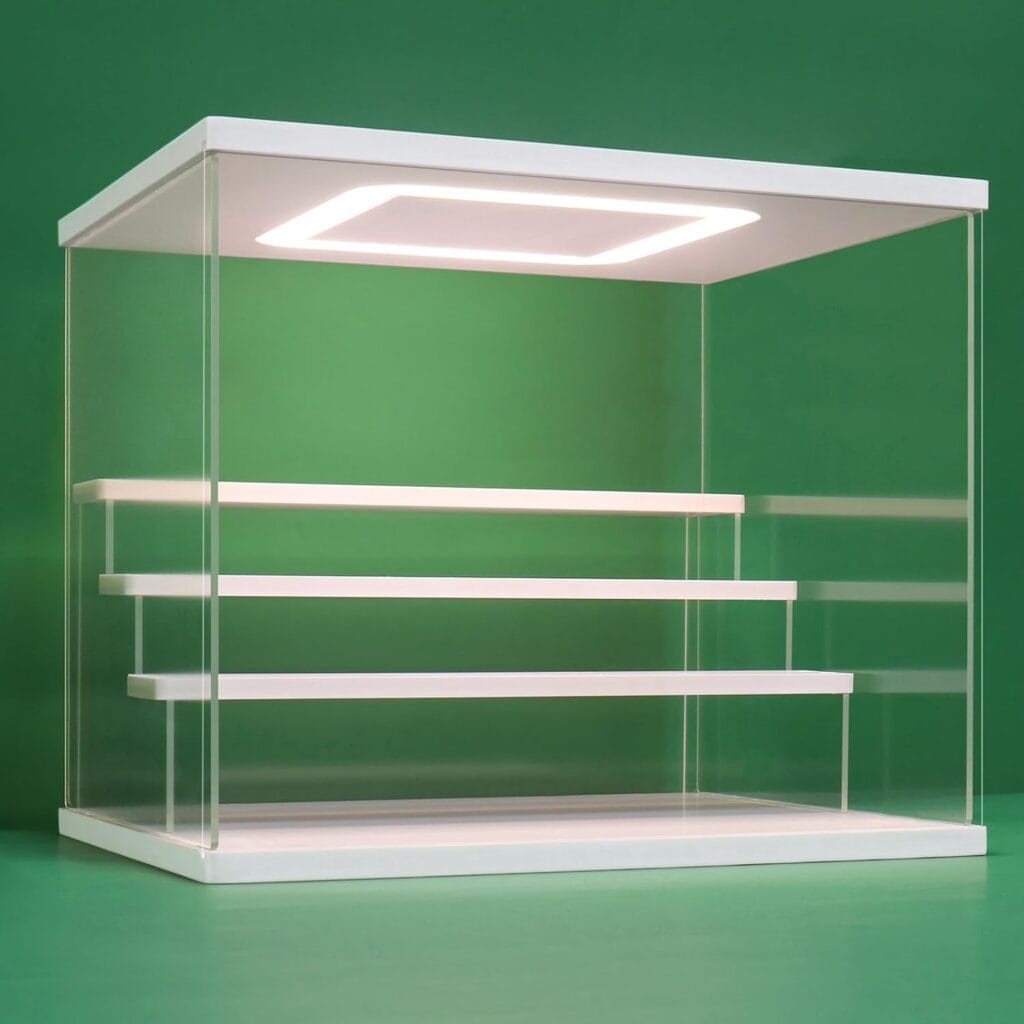
Luxury retail (watches, perfumes), museums (for artifacts), and boutiques (for collectibles) heavily leverage the feature. Lockable lids + UV-resistant acrylic protect against theft and fading.
Install mirrored bases and/or LED-lit cases to enhance the overall visual appeal.
05. Acrylic Wall Displays
Showcase artwork, certificates, or branded visuals in a sleek, modern, and catchy format.
Such displays add a clean, steady, and frameless aesthetic to office walls, galleries, or retail interiors. Available options include standoff mounts, magnetic closures, and frosted finishes.
Silicon Valley companies use acrylic wall panels for innovation awards and brand milestones.
06. Acrylic Countertop Displays
Strategically place the countertop display near checkout counters to encourage impulse purchases.
It serves small yet high-margin items (lip balms, phone accessories, or gift cards) well. Available design tool options include bins, tiered trays, and rotating carousels.
Retail Dive reports that impulse buys can account for 20% – 30% of total sales in many retail sectors.
07. Custom Acrylic Signs / Displays
Customize your flexible displays aligned with brand identity and promotional goals. Customization options include –
- Logo-shaped holders.
- Tiered racks with brand colors.
- Backlit or LED-illuminated signage.
Consistent visual identity across displays reinforces brand recognition and trust.
Nike flagship stores have custom acrylic sneaker pedestals with embedded lighting and branding. Such custom designs induce immersive product experiences.
Best Practices for Using Acrylic Displays Effectively
Maximizing the impact of acrylic displays in retail and business settings isn’t exactly straightforward. Brands must adopt some strategies to make the most out of the investment.
a. Match Display Design with Brand Aesthetic
Consistency remains mandatory in visual merchandising. Acrylic displays should reflect your brand’s tone. It’s the same for minimalist, luxurious, playful, or tech-forward ones.
Consider colored acrylic or inserts that match your brand palette. Go for subtle logo etching or UV-printed branding on displays to reinforce identity.
The display lighting should complement your project’s or store’s ambiance. For example, warm tones go well with cozy boutiques, whereas cool tones suit tech or wellness brands.
Modular acrylic units can be rearranged while maintaining brand consistency. Such an approach retains the ambiance throughout seasons or campaigns.
b. Keep Plexiglass Signs Clean and Polished
Acrylic’s glass-like clarity has been one of the most pioneering strengths. However, the transparency also marks its most significant vulnerability.
- Maintenance routine: Clean with a microfiber cloth and non-abrasive cleaner to avoid scratches.
- Avoid ammonia-based products: Those cleaning chemicals cause clouding or micro-cracks over time.
A well-maintained display can increase perceived product value by up to 25%. Assign daily wipe-downs as part of staff closing routines.
c. Highlight Key Products
Use acrylic displays to spotlight high-margin, seasonal, or new products strategically.
- Tiered risers: Elevate your bestselling products to eye level.
- Sign holders: Pair with promotional messaging to drive urgency.
Sephora uses acrylic trays and risers to feature new arrivals at the front of the store. Products placed in acrylic risers near eye level see up to 40% more engagement.
d. Optimize Lighting for POP Displays
Lighting transforms acrylic from functional to visually magnetic.
- Backlighting: Grabs the client’s attention to signage or product features.
- LED strips: Embedded in display edges to deliver a futuristic glow.
Match the lighting temperature to the store’s mood, like warm white for fashion. South Korean flagship cosmetic stores have LED-lit acrylic displays to create immersive product zones.
e. Rotate Displays Regularly
Stale displays lead to visual fatigue. Keep things fresh to encourage repeat visits.
- Seasonal updates: Swap out inserts, signage, or featured products monthly or quarterly.
- Event tie-ins: Align your displays with holidays, product launches, and/or local events.
Studies show that rotating displays every 30 days can boost foot traffic by 20%. Modular acrylic systems enable quick reconfiguration without full replacements.
f. Choose Quality Materials
Not all acrylic is created equal. Cheap variants may yellow, crack, or warp, which can damage your brand image. Look for –
- UV-resistant acrylic for sunlit areas.
- Cast acrylic for premium clarity and strength.
- Scratch-resistant coatings for high-traffic zones.
Investing in quality materials reduces replacement frequency and enhances brand perception. Premium-grade acrylic can last 5 – 10 years with proper care.
Examples and Applications of Acrylic Displays
01. Retail Stores
Jewelry / Eyewear: Tiered acrylic risers and velvet-lined acrylic trays.
Cosmetics: Clear acrylic organizers to group lipsticks, palettes, and testers.
Electronics: Acrylic stands to elevate phones and tablets with embedded lighting.
02. Restaurants and Cafés
Menu Holders: Tabletop acrylic frames to display menus, daily specials, or QR codes.
Feedback Forms: Clear acrylic boxes with slotted lids encourage customer feedback.
03. Corporate Offices
Branded Signage: Wall-mounted acrylic plaques with standoff mounts.
Awards / Recognition: Custom-engraved acrylic trophies and certificates.
Literature Holders: Multi-tiered acrylic brochure holders for profiles, catalogs, or guides.
04. Trade Shows and Exhibitions
Product Displays: Clear risers and cases allow attendees to view products from all angles.
Brochure Stands: Freestanding holders keep promotional materials organized and accessible.
05. Boutiques and Salons
Product Pedestals: Highlight luxury skincare, fragrances, or haircare products with illuminated acrylic stands.
Countertop Displays: Small acrylic bins or trays near checkout areas encourage impulse purchases of accessories.
How to Choose the Right Acrylic Display for Your Business?
a. Assess Display Purpose
You must define the primary function of your acrylic display. It can be –
Promotional: Get tiered risers, countertop bins, or illuminated stands to spotlight new arrivals or seasonal offers.
Informational: Choose sign holders, brochure racks, or wall-mounted frames to share menus, product specs, or brand messaging.
Protective: Get enclosed acrylic boxes or lockable cases for high-value items like jewelry, electronics, or collectibles.
b. Consider Product Size and Weight
Acrylic displays must be proportionate and stable to support your products safely. For instance,
Light items: Lipsticks, brochures, or sunglasses work well with thin acrylic trays or holders.
Heavy items: Use thicker acrylic (≥5mm) for electronics, awards, or stacked merchandise.
Balance and safety: Base width and weight distribution prevent tipping in high-traffic areas.
Standoff options may reduce the shipping cost and save time within reasonable business days.
c. Evaluate Location: Indoor vs Outdoor
Your display’s environment affects material choice and design.
Indoor: Acrylic works well in climate-controlled spaces like boutiques or office settings.
Outdoor: Use UV-resistant acrylic to prevent yellowing / warping under direct sunlight.
Permanent setups: Wall-mounted or bolted displays offer stability and branding permanence.
Portable setups: Lightweight, modular acrylic stands are ideal for trade shows or pop-ups.

d. Customization for Clear Acrylic
Customization enhances brand recognition and customer engagement. Therefore,
Branding: Laser engraving, screen printing, or vinyl overlays for logos and taglines.
Full Color tinting: Use frosted, gold, or colored acrylic to match aesthetics or seasonal themes.
Lighting: Integrate LED strips or backlighting to add depth and visibility in dim conditions.
e. Supplier Quality and Reviews
Partnering with a reliable manufacturer ensures durability and long-term ROI. You should keep up –
Check reviews: Look for testimonials, case studies, and ratings from other businesses.
Material specs: Confirm premium-grade acrylic (Lucite, Perspex) and quality control standards.
Pioneering suppliers like Jumei Acrylic serve international clients with tailored solutions.
Frequently Asked Questions (FAQs)
1. What are acrylic displays, and why are they popular in retail?
Acrylic displays are transparent fixtures made from durable PMMA to showcase products, signage, or literature. A sleek look, versatility, and affordability make them ideal for retail environments.
2. Are acrylic displays suitable for outdoor use?
Yes, when the acrylic is made from UV-resistant, weather-resistant acrylic. Such variants can actively resist yellowing and cracking, making them ideal for outdoor signage, kiosks, and promotional stands.
3. How do acrylic displays improve customer engagement?
Acrylic elevates product visibility by creating an organized layout that customers easily find and interact with featured items.
4. Can acrylic displays be customized for branding?
Absolutely. Businesses can add logos, color tinting, laser engraving, or LED lighting to match the brand’s aesthetic appeal and reinforce identity.
5. Are acrylic displays eco-friendly or recyclable?
Acrylic is recyclable, though not biodegradable. Some manufacturers have recycled options, making it a more sustainable choice for eco-conscious brands.
Conclusion
Acrylic displays offer the perfect blend of elegance, durability, and strategic impact. You can showcase premium products, guide customer decisions, or reinforce brand identity. Acrylic displays adapt to your goals, amplify your message, and create first impressions to convert observers into buyers.
Perfect Retail Business Displays with Fast Delivery from JUMEI
Start outrunning your direct competitors with eye-catching displays from Jumei Acrylic. We specialize in acrylics as all our products feature top-tier designs. Check the stock and contact us about the services.
]]>