Choosing the right acrylic sheet also concerns a suitable supplier. The manufacturer you partner with can make or break your project’s success. And this article is designed to guide you through the key factors that define a premium supplier.
Benefits of Working with a Premium Acrylic Sheet Supplier
a. High-Quality Materials
Premium suppliers offer acrylic sheets that meet stringent quality standards. It ensures optical clarity, UV resistance, impact strength, and dimensional stability. Cell-cast or continuous-cast manufacturing yields superior surface finish and durability.
Cell-cast acrylics feature a tensile strength of 70 MPa that also comes with better chemical resistance. It makes them ideal for high-performance applications in signage, architecture, and industrial displays.
b. Custom Solutions (like Laser Cutting)
Top suppliers develop engineering solutions prior to production. You may need custom colors for brand consistency, laser-cut shapes for precision displays, or anti-glare finishes for museum-grade installations.
Only premium vendors offer tailored fabrication services. They harness many distinctive capabilities. You can expect CNC cutting, laser engraving, UV printing and lamination, custom thicknesses, and specialty finishing.
c. Timely Delivery
Reliable suppliers understand that time is money. They maintain robust inventory systems, regional distribution networks, and logistics partnerships. Such measures ensure on-time delivery even for bulk or custom orders.
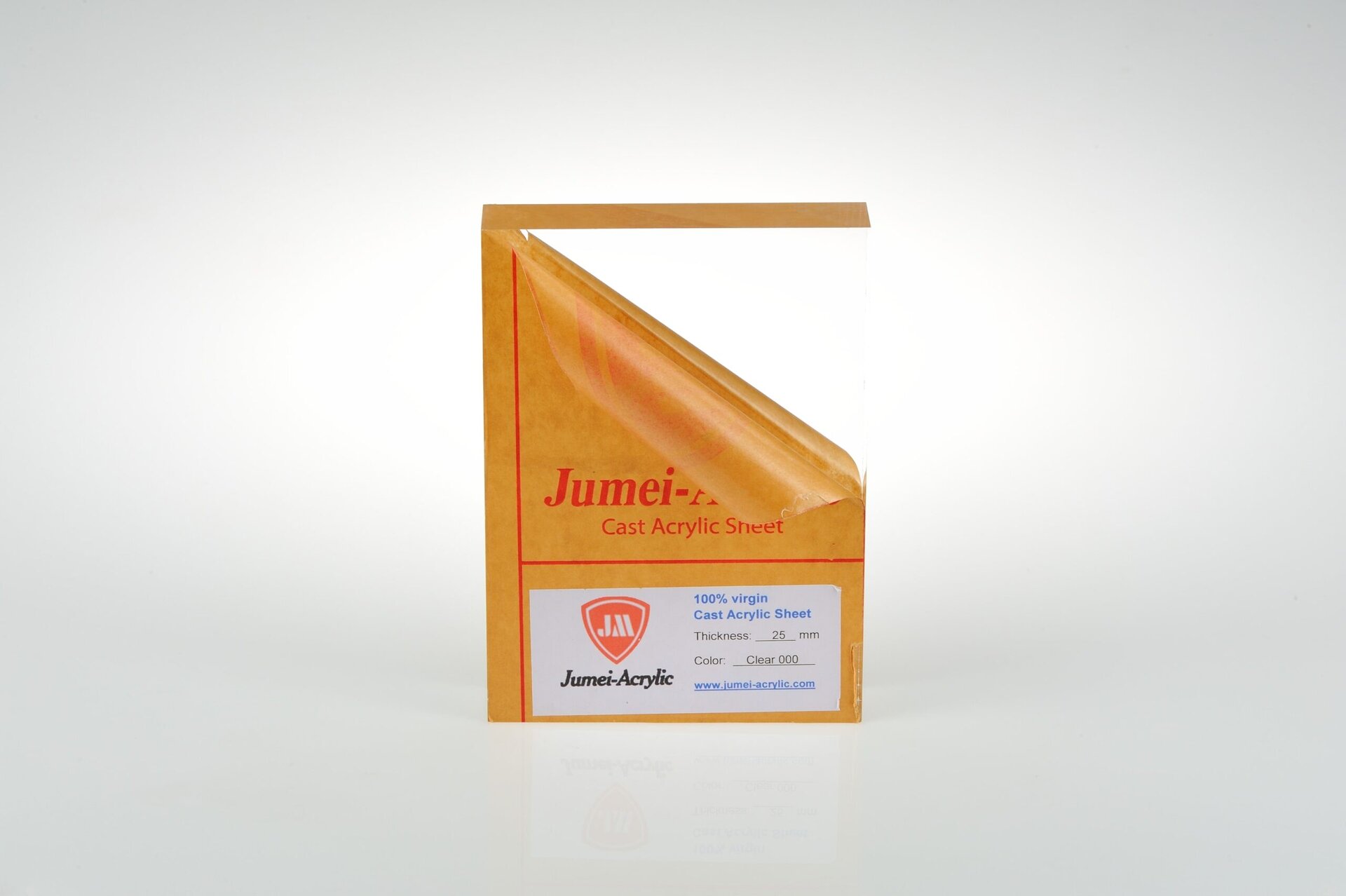
68% of project delays in signage and construction are linked to late material delivery. In contrast, premium suppliers with integrated ERP systems had a 96% on-time delivery rate.
d. Expert Guidance
Premium suppliers employ materials engineers, product specialists, and technical consultants. They can help clients select the right acrylic grade, thickness, and finish. Such effective guidance minimizes waste, ensures compliance, and enhances performance.
Real-time support includes material compatibility checks as well as load-bearing and thermal expansion analysis. Its recommendation also goes for adhesives and mounting systems.
e. Long-Term Partnerships
Working with a premium supplier fosters a relationship built on trust, consistency, and shared success. A reliable vendor can offer discounts, priority slots, and dedicated managers for repeat clients.
Long-term partnerships reduce procurement overhead, streamline reordering, and ensure consistent quality across multiple projects. It lets you achieve satisfactory cost savings with proper sourcing.
Benchmarks for Premium Clear Acrylic Sheets
Absolute excellence remains non-negotiable with premium choices. It lays the foundation of performance, longevity, and visuals.
01. Light Transmission Rates
Premium cast acrylic sheets feature >92% light transmission for glass-like clarity. Standard extruded sheets range between 88% – 90%. However, you can get a mesmerizing 94% clarity with Jumei Acrylic.
02. Optical Distortion
High-end suppliers conduct interferometric and laser-based distortion tests for warping or bending. The values should remain below 0.5% over 1 meter, verified through ASTM D1004 or ISO 7823 testing.
03. Color Consistency
Premium sheets should maintain Delta E values under 1. Such values enable batch-to-batch color uniformity. It seems crucial for brand-sensitive applications like retail fixtures or corporate signage.
04. UV Stability + Weathering Resistance
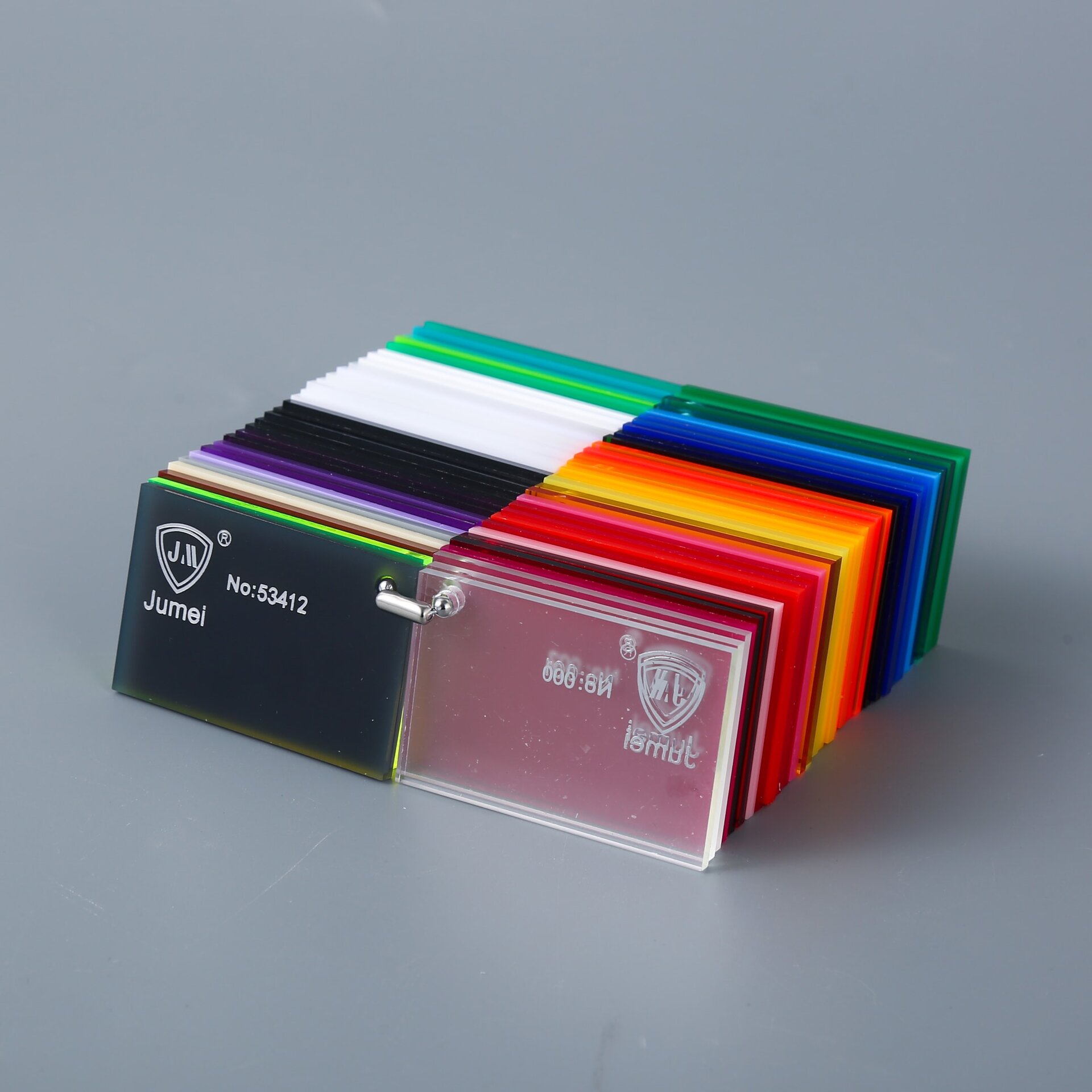
Top-tier suppliers offer UV-stabilized sheets certified under ASTM G154 or ISO 4892-2. They come with 8 – 10 years of outdoor durability. These sheets resist yellowing, cracking, and surface degradation.
05. Hazing and Cloudiness (ASTM D1003)
Acrylic mirror sheets exhibit haze values below 1% for superior optical purity. ASTM D1003 defines haze as the percentage of light scattered by the material, where lower values indicate better clarity.
06. Dimensional Tolerance Precision
Premium cast sheets offer ±0.005″ (±0.127 mm) tolerance that’s ±0.010″ (±0.254 mm) for standard extruded sheets. Such precision is crucial for CNC machining, laser cutting, and modular assembly.
07. Surface Quality
High-grade sheets undergo automated surface inspections to detect scratches, bubbles, and inclusions. Acceptable defect density is mostly <1 per m², with surface roughness (Ra) below 0.05 µm for polishes.
08. Surface Finishing
Sheets, featuring half the weight of glass, undergo multi-stage polishing (flame and buffing). It achieves mirror-like finishes for the most part. Surface gloss levels often exceed 90 GU (Gloss Units).
09. Impact + Stress Crack Resistance
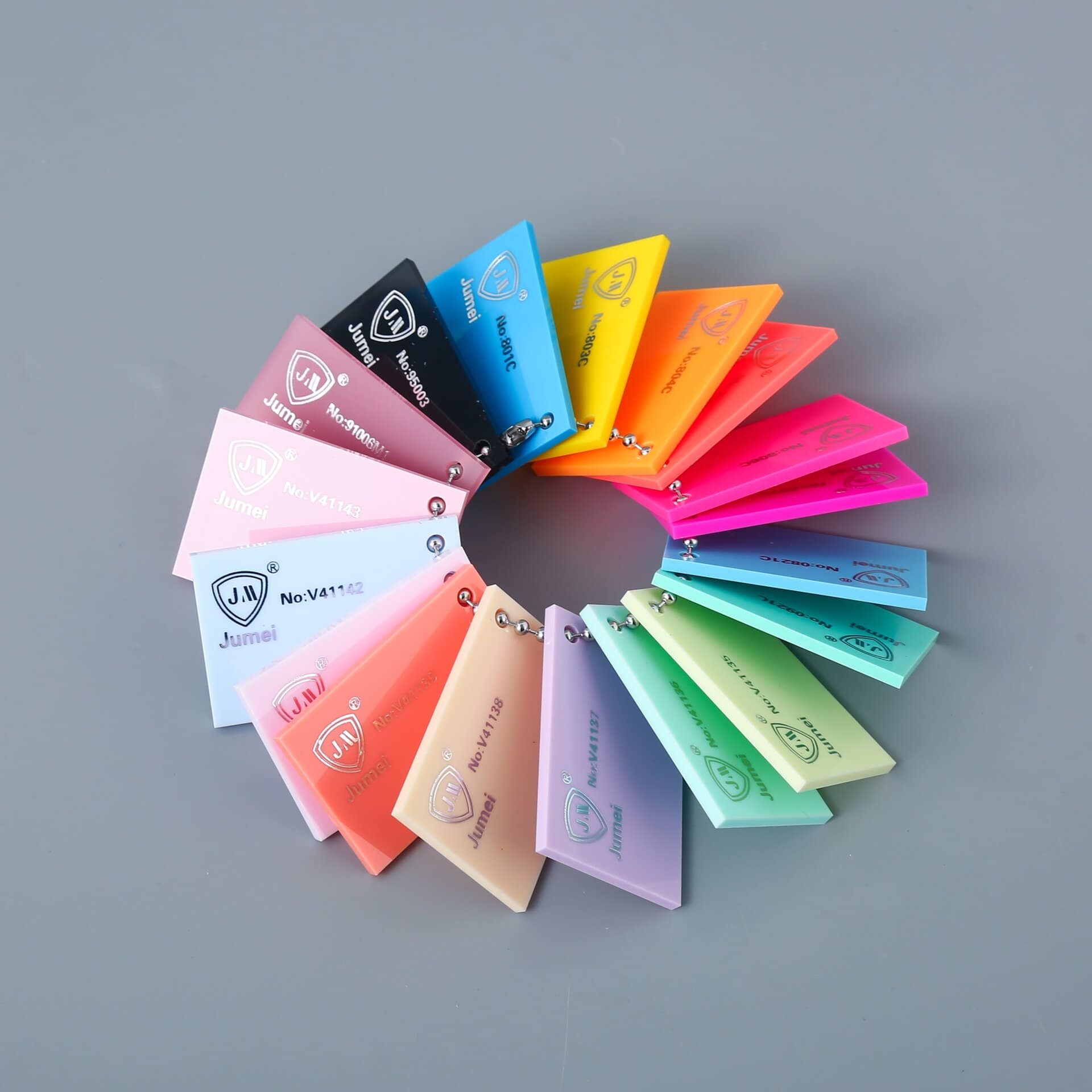
Premium acrylics offer impact resistance up to 17 times that of glass. Enhanced stress crack resistance comes from annealing and material purity. ASTM D256 and D638 are common test standards.
10. Thermal Stability
Cast acrylic maintains performance between -40°C to +80°C, with short-term exposure tolerances up to 100°C. Extruded sheets often deform above 70°C, limiting their use in heat-prone installations.
11. Chemical Resistance
Premium sheets resist common solvents like isopropyl alcohol, acetone, and mild acids. They should go well with acrylic-based adhesives. Compatibility charts are provided by suppliers for safe bonding.
12. Quality Control + Documentation
Documentation includes inspection certificates, compliance reports, and material traceability logs. QC frequency should be every 500 kg or per production batch, with full traceability to raw material sources.
Certification/Compliance Standards for Premium Colored Acrylic Sheets
The credibility of a supplier hinges on its adherence to rigorous certification + compliance benchmarks. Those standards ensure product quality, safety, environmental responsibility, and global market access.
i. ISO 9001: Quality Management Systems
A supplier maintains a robust quality management system, covering everything from raw material sourcing to final inspection. It ensures consistency, traceability, and continuous improvement.
ii. ASTM D4802: Acrylic Sheet Specifications
This ASTM standard defines the physical and mechanical properties of cast and extruded acrylic sheets. It takes thickness tolerances, optical clarity, and impact resistance into account.
iii. UL Certification: Flame Resistance and Safety
UL 94HB certification confirms that acrylic sheets pass the horizontal burn test. It makes shatter-resistant acrylics suitable for use in electrical enclosures, signage, and public installations.
iv. FDA Compliance: Food-Contact Applications
Acrylic sheets used in food displays, sneeze guards, or packaging must comply with FDA 21 CFR 177.1010. It ensures optimal safety for direct food contact with or without opaque colors.
v. Architectural Glazing + Building Codes
Premium sheets must meet ANSI Z26.1 and ICC-ES ESR-1260. It makes plexiglass (matte, frosted, glitter) an excellent choice for your next project (glazing, transportation, and infrastructure).
vi. GREENGUARD Certification
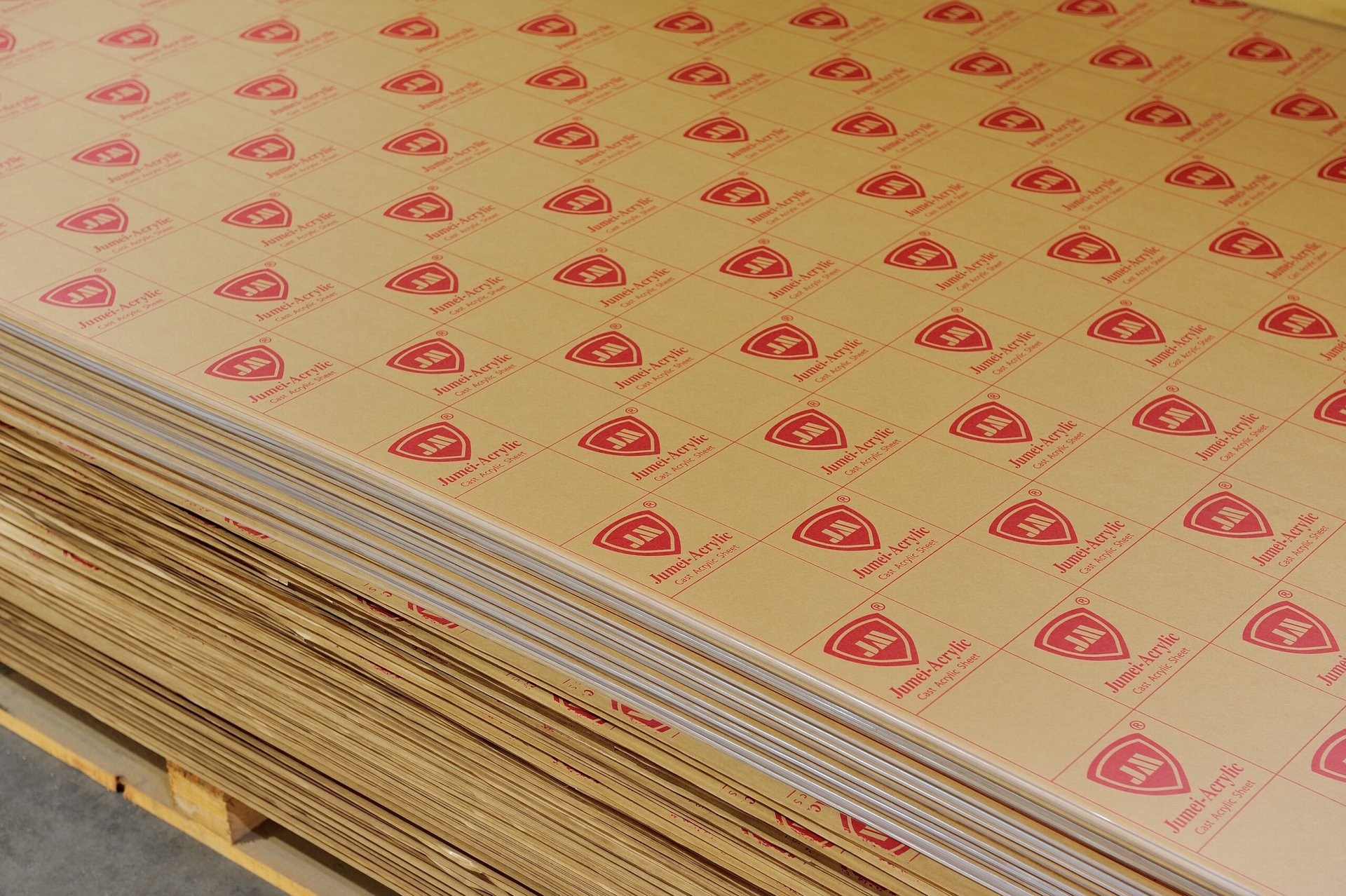
This certifies low chemical emissions, making acrylic sheets safe for indoor environments like schools, hospitals, and offices. GREENGUARD Gold certification contributes to LEED points.
vii. Cradle to Cradle Material Health
This assessment evaluates material safety, recyclability, and manufacturing ethics. It’s a benchmark for circular economy compliance. It demonstrates commitment to non-toxic, reusable materials.
viii. Recycled Content + Sustainability Reporting
Premium suppliers disclose post-industrial or post-consumer recycled content for different colors. The values often range from 10% – 30% with sustainability KPIs to meet specific needs.
ix. Carbon Footprint Reduction Programs
Suppliers may participate in carbon offset programs, publish Scope 1–3 emissions, and adopt renewable energy in manufacturing. Some European suppliers reduced carbon intensity by 18% over three years.
x. LEED Contribution Points
Plexiglass sheets can contribute to LEED v4 credits under categories like Materials and Resources, Indoor Environmental Quality, and Innovation. Documentations like EPDs and HPDs are often required.
xi. ISO 7823: Acrylic Sheet Standards
This ISO standard governs cast and extruded acrylic sheet properties, including optical clarity, thickness uniformity, and mechanical strength. ISO 7823-1 applies to cast sheets; ISO 7823-2 to extruded sheets.
xii. European CE Marking + EN Standards
CE marking ensures compliance with EU safety, health, and environmental regulations by own right. EN 13501-1 governs fire classification for building materials against plastics like polycarbonate.
xiii. Japanese JIS Standards
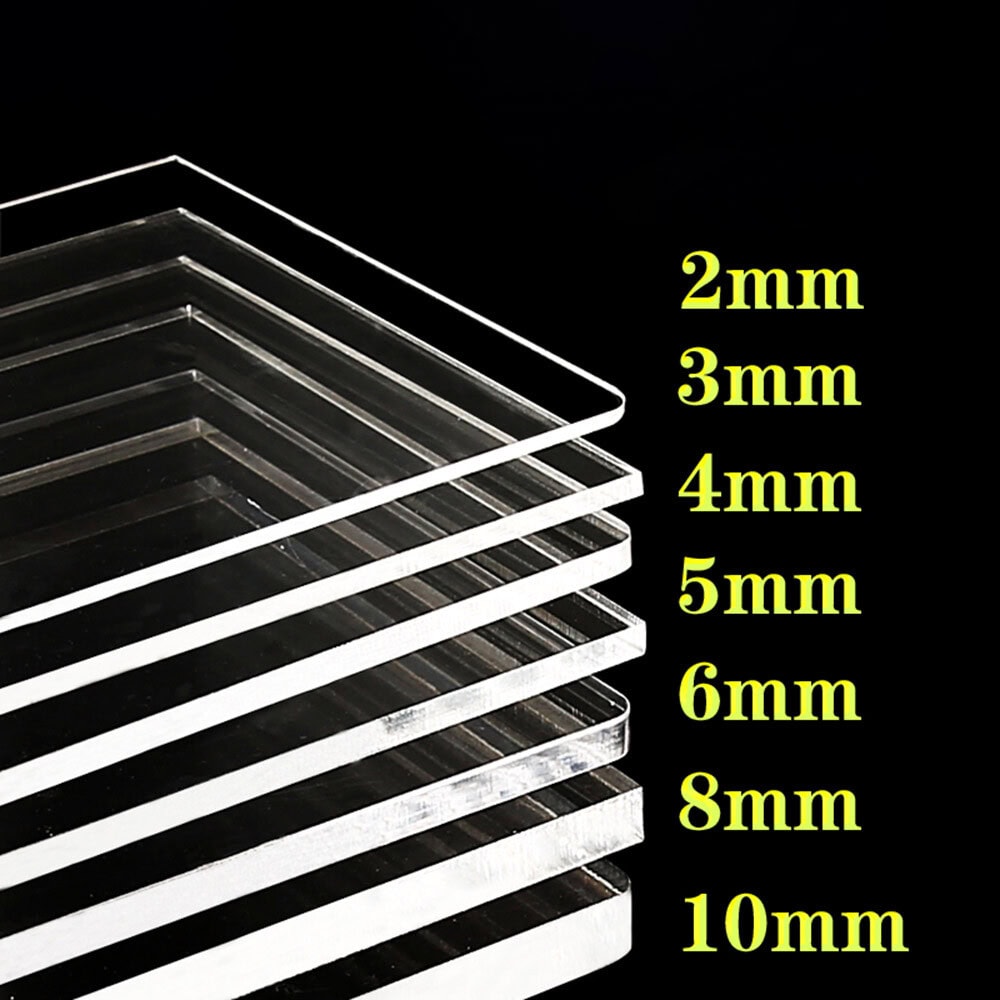
JIS K 6735 outlines optical and mechanical benchmarks for acrylic sheets used in electronics, optics, and precision displays. Japanese manufacturers often exceed with haze values <0.5% and ΔE < 0.8.
xiv. Medical Device Regulations
Perspex acrylic sheets used in medical enclosures or diagnostic equipment must comply with ISO 13485 and FDA biocompatibility standards like ISO 10993-5.
xv. Aerospace Specifications
For versatile acrylic, suppliers must meet AS9100 for quality management. NADCAP is also necessary for process accreditation to create versatility for thick Lucite.
Financial Stability and Business Continuity Assessment
A. Financial Health Indicators
- Revenue Stability (with Growth Trajectory): A financially sound supplier demonstrates consistent year-over-year revenue growth. The ideal CAGR stands above 5% – 8% in the last 3 – 5 years. It signals market demand, operational efficiency, and strategic expansion.
- Profitability Margins + Performance Ratios: Healthy gross margins (30% – 40%) and net profit margins (10% – 15%) indicate cost control. Key ratios like ROE >15% and ROA >8% are considered strong for mid-sized manufacturers.
- Debt-to-Equity for Cash Flow Strength: A ratio below 1.0 suggests balanced leverage. Strong operating cash flow ensures liquidity for raw material procurement, R&D, and capital upgrades. Suppliers with positive free cash flow are 3× more likely to maintain delivery schedules.
- Credit Ratings (Analyst Assessments): 3rd-party credit ratings (Dun&Bradstreet or Moody’s) provide risk scores. A D&B PAYDEX score above 80 indicates timely payments and low default risk. Only 14% of procurement teams use continuous financial monitoring tools.
- Investment in R&D + Capital Improvement: Premium suppliers reinvest 5% – 10% of annual revenue into R&D, automation, and facility upgrades. This supports product innovation, process efficiency, and long-term competitiveness.

B. Business Continuity Planning
- Disaster Recovery + Crisis Management: Robust suppliers maintain ISO 22301-certified plans. It includes data backups, emergency staffing protocols, and production rerouting strategies. That’s why it’s preferred by designers.
- Alternative Production Facilities: Regional suppliers can shift operations during natural disasters or geopolitical unrest. Suppliers with ≥2 production sites in different regions show 40% higher delivery reliability during crises.
- Supply Chain Diversification: Premium vendors source raw materials from multiple vetted suppliers. It reduces exposure to single-source failures. They also maintain buffer stock and dual logistics partners.
- Insurance and Risk Transfer Mechanisms: Comprehensive insurance coverage, including business interruption, cargo, liability, and cyber risk. Such proactive measures can protect both supplier and buyer interests.
- Force Majeure and Communication Protocols: Transparent force majeure clauses and proactive communication plans ensure clients are informed early during disruptions. This supports contingency planning and trust.
Market Position and Competitive Strength
a. Market Share
Top suppliers hold 10% – 25% market share in their niche, backed by brand recognition and distribution reach. Market leadership often correlates with better pricing leverage and innovation.
b. Customer Concentration for Diversification
Balanced client portfolios reduce dependency risk. Ideally, no single customer should account for >20% of total revenue. High concentration increases vulnerability to demand shocks or contract loss.
c. Strategic Partnerships + Alliances
Collaborations with OEMs, distributors, and research institutes enhance product development and market access. Clients get more possibilities regarding reality-based aesthetics.
d. Intellectual Property for Competitive Edge
A strong IP portfolio, including patents for formulations, surface treatments, or manufacturing processes. It signals innovation and defensibility.
e. Management Stability
A stable leadership team with 10+ years of industry experience ensures strategic continuity. Suppliers with formal succession planning are 2× more resilient during leadership transitions.
Customer Service Excellence and Relationship Management
01. Dedicated Account Management
Top-tier suppliers assign dedicated account managers who act as strategic liaisons. They handle orders, resolve issues, and align services with client goals.
02. Regular Business Reviews
Quarterly/biannual business review meetings align forecasts, assess performance metrics, and plan initiatives. They often include KPI dashboards, delivery scorecards, and improvement roadmaps.
03. Executive-Level Access
Premium suppliers offer executive access for strategic clients. It enables direct dialogue with leadership on innovation, pricing, and long-term planning.
04. Customer Advisory (Feedback Mechanisms)
Some suppliers establish customer advisory boards to gather insights. Feedback loops include surveys, NPS tracking, and pilot program invitations.
05. Delivery Performance (On-Time Rates)
Reliable vendors maintain >95% on-time delivery, tracked via logistics KPIs and third-party carrier performance. Staggered delivery options support phased installations.
06. Packaging and Shipping Quality
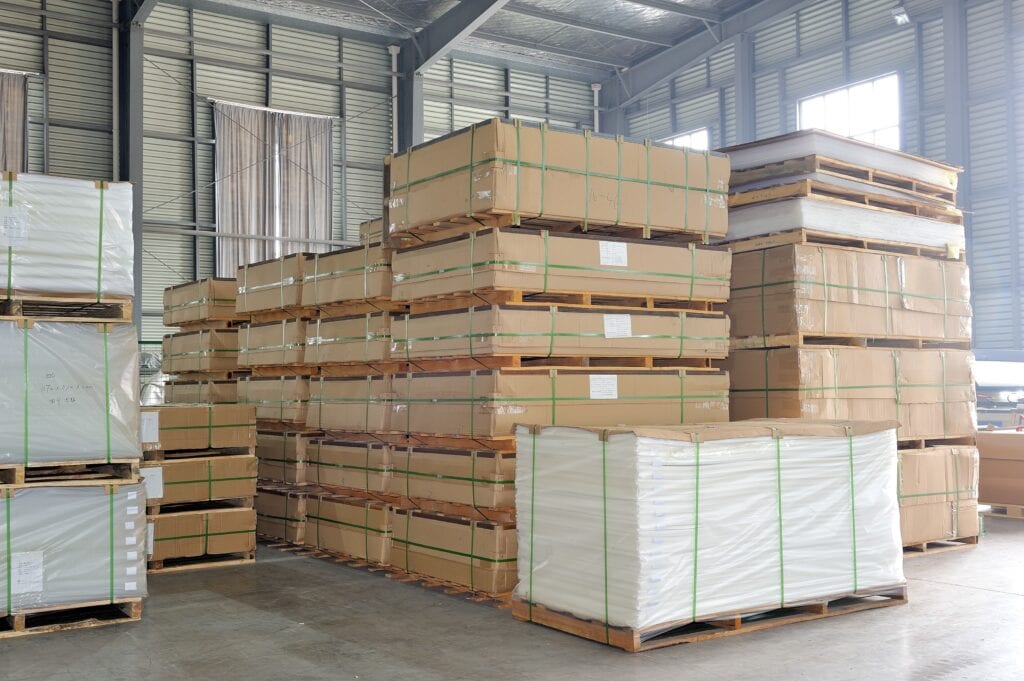
Premium suppliers use protective masking films, edge guards, and custom crates to prevent damage. Packaging specs often comply with ISTA standards.
07. Emergency Orders + Expedited Delivery
Suppliers offer rush production slots, air freight options, and 24-hour dispatch protocols for urgent needs. It’s particularly important for project overruns or last-minute design changes.
08. Response Time Standards
Top suppliers commit to <24-hour response times for inquiries and <48 hours for quotes. SLAs include escalation tiers for urgent issues. Defined response SLAs report 92% customer satisfaction.
09. Technical Support Availability
Access to materials engineers, fabrication specialists, and application consultants ensures fast, informed guidance on product selection, bonding, and installation.
10. Problem Escalation + Resolution Protocols
Structured escalation paths, often tiered by severity, ensure timely resolution. Use of ticketing systems, root cause analysis, and CAPA documentation builds transparency.
Common Mistakes to Avoid When Choosing an Acrylic Sheet Supplier
i. Choosing Based Only on Price
Focusing solely on the lowest price often means sacrificing quality, service, or reliability. Low-cost suppliers may use inferior raw materials, skip annealing processes, or offer extruded sheets with poor optical clarity and dimensional tolerance.
Strategic Tip: Balance price with quality benchmarks like ASTM D4802 compliance, UL flame ratings, and supplier reputation. Consider the total cost of ownership—including maintenance, replacements, and customer complaints.
ii. Neglecting to Confirm Customization Capabilities
Customization is often critical—whether it’s specific thicknesses, colors, finishes, or pre-cut dimensions. Assuming a supplier can deliver without verifying capabilities can lead to delays, rework, or unusable inventory.
Strategic Tip: Before placing large orders, request samples, fabrication specs, and a customization capability matrix. Confirm lead times for custom work and whether the supplier uses in-house or outsourced processes.
iii. Ignoring Customer Support and After-Sales Services
A supplier’s responsiveness during and after the sale is crucial—especially when issues arise with delivery, quality, or installation. Suppliers without structured support channels, escalation protocols, or technical assistance can leave buyers stranded.
Strategic Tip: Evaluate support infrastructure: Is there a dedicated account manager? Are there escalation tiers? Is technical support available for bonding, machining, or installation queries?
iv. Not Considering Long-Term Reliability
Projects often span months or years, and future needs may include repeat orders, new formulations, or expanded volumes. Choosing a supplier without assessing long-term viability—financial health, scalability, and innovation—can disrupt continuity.
Strategic Tip: Assess long-term indicators: revenue growth, investment in R&D, multi-site production, and sustainability initiatives. Review warranty terms, claims history, and customer retention rates.
Premium Acrylic Supplier Profile
a. Major Acrylic Manufacturer
They’re global leaders in acrylic sheet manufacturing. Such suppliers have been delivering precision-engineered materials for decades. These companies ensure tight quality control, cost efficiency, and supply chain resilience.
b. Specialty Acrylic Manufacturer
This supplier operates at the cutting edge of acrylic innovation. A laser-focused specialization in high-performance grades suits demanding technical applications. Their strength lies in precision engineering, custom formulation, and deep integration.
c. Regional Acrylic Distributor
They serve as the connective tissue between global manufacturers and local markets. Unlike single-brand suppliers, they operate with a multi-manufacturer portfolio. Buyers get a curated selection of acrylic products based on price, performance, and availability.
d. Online Wholesale Platform
They’ve revolutionized the way acrylic sheets are sourced for buyers seeking speed, flexibility, and data-driven decision-making. These platforms serve as digital marketplaces that connect manufacturers, distributors, and end-users through a centralized interface.
e. Value Distributor
They operate with a lean, volume-centric business model to serve buyers who prioritize cost over customization. Their strategy revolves around streamlined operations, minimal service overhead, and direct sourcing from overseas manufacturers.
f. Specialty Niche Acrylic Manufacturer
They thrive in the intersection of sustainability, design innovation, and low-volume flexibility. They cater to custom-driven, environmentally conscious, and prototype-oriented buyers who demand precision and uniqueness over scale.
Conclusion
Choosing the right premium acrylic sheet supplier isn’t some simple procurement task. It’s a crucial decision to shape the quality, efficiency, and longevity of your project. The most reliable suppliers stand out through commitment to excellence, customization, experience, responsiveness, and sustenance.
Meet Your Premium Acrylic Sheets at JUMEI
Not many manufacturers can initiate a perfect balance between all the involved factors. Jumei Acrylic is one of the few options within the major supplier portfolio. You’re guaranteed to meet the utmost satisfaction for the price. Contact us to reach our experienced experts regarding premium acrylic sheets.
]]>There are many variations available. More importantly, they suit distinctive purposes better than one another. Likewise, retail options may not seem enough to suffice your creative project requirements.
That’s where you should go for the best bulk acrylic sheet options to enjoy some greater advantages. Explore the list of the top bulk acrylic sheet options available in today’s market through this article.
Option #01: Standard Clear Acrylic Sheets
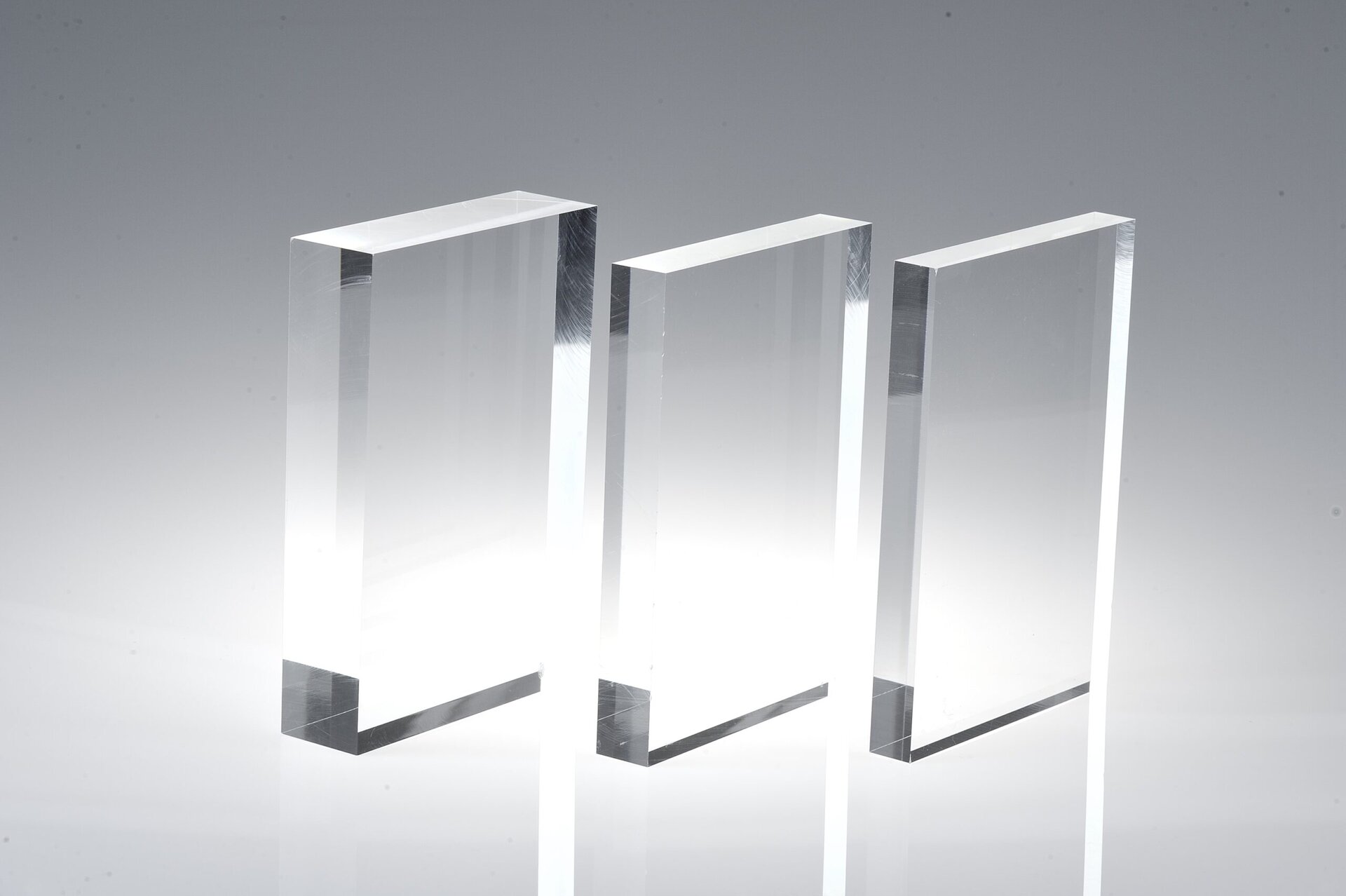
These sheets are extensively made of plexiglass or PMMA (Polymethyl Methacrylate). It’s the go-to choice for lots of creative as well as commercial projects. The immense optical clarity, with other features, makes those standard sheets almost unmatched.
Best Applications in Creative Projects
- Framing + Photo Frames: Light (half the weight of glass) and shatter-resistant option in galleries, homes, and commercial displays.
- Clear Display Cases: Perfect for showcasing collectibles, retail products, or museum artifacts with unobstructed visibility.
- Signage + Branding: Laser-cut or engraved acrylic signs offer crisp edges and a professional finish for indoor and outdoor use.
- Windows + Partitions: Used in temporary installations, greenhouses, or modern interiors where safety and clarity are key.
- DIY and Craft Projects: From wedding table numbers to LED-lit art pieces, clear acrylic sheets deliver endless customization.
Amazon alone lists over 10,000 variations of clear acrylic sheets for crafting and display projects. Top sellers have options like pre-cut sizes for photo frames, signage, and laser engraving.
Advantages for Creative Designers
- Affordability: The most ideal choice for bulk purchasing. You’ll get a lower upfront cost than glass or versatile plastics.
- Ease of Fabrication: The sheets can undergo cutting with saws, routers, or laser cutters. It’s suitable for CNC machining.
- Customizability: You can print, engrave, and/or paint clear acrylics easily. It should help with branding and personalization.
- Eco-Friendly Options: Top-tier manufacturers can even supply ISO14001-certified sheets for sustainability projects.
Common Limitations (with Solutions)
- Scratch Sensitivity: The clear surface can be scratched easily under friction. Apply anti-scratch coatings or protective films during handling.
- UV Yellowing Over Time: Prolonged sun exposure may cause discoloration. Get UV-resistant clear acrylic for outdoor or sunlit applications.
- Lower Impact Resistance: Acrylic seems more brittle than options like polycarbonate. Choose the impact-modified option to resist stress.
- Static Attraction: The sheet surfaces can attract dust and particles. Introduce anti-static cleaners or equivalent coatings for pop displays.
Some Real-World Examples
- Retail Displays: Electronics brands use standard clear acrylic sheets for transparent product risers and signage. The clarity and ease of laser cutting enable rapid prototyping and consistent branding.
- Educational Installations: Makerspaces and STEM labs use pre-cut clear acrylic panels. It ranges from robotics enclosures to interactive store displays due to their safety, affordability, and customizability.
- Art + Decor: Many local artists have adopted cast acrylic sheets for layered light sculptures and engraved wall art. Such tasks can significantly leverage the material’s optical depth and polished edging.
Option #02: Frosted Acrylic Sheets
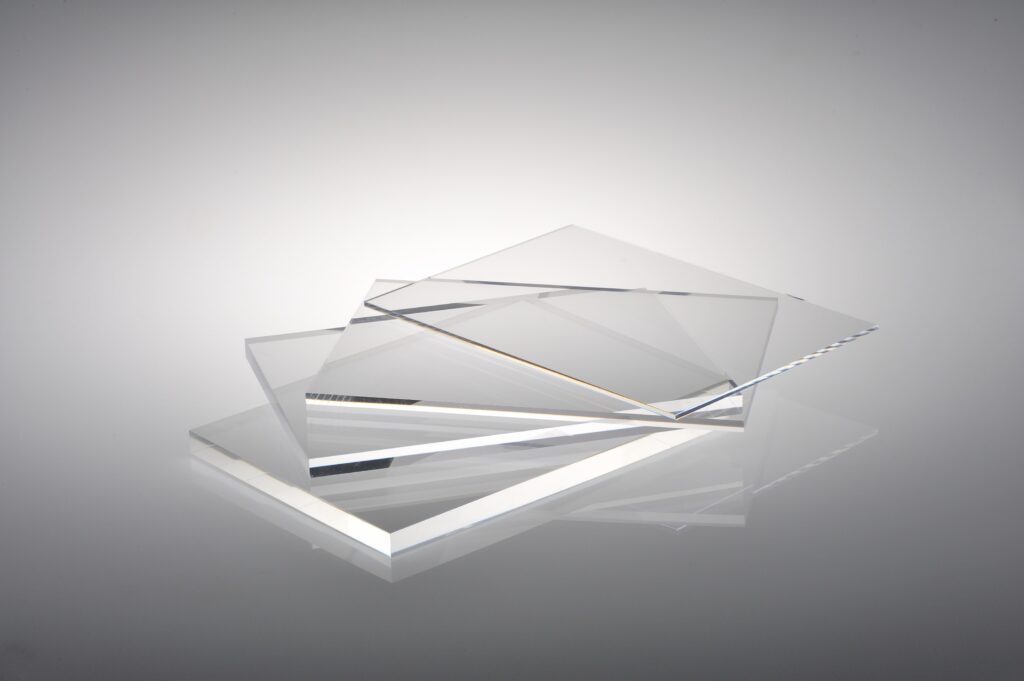
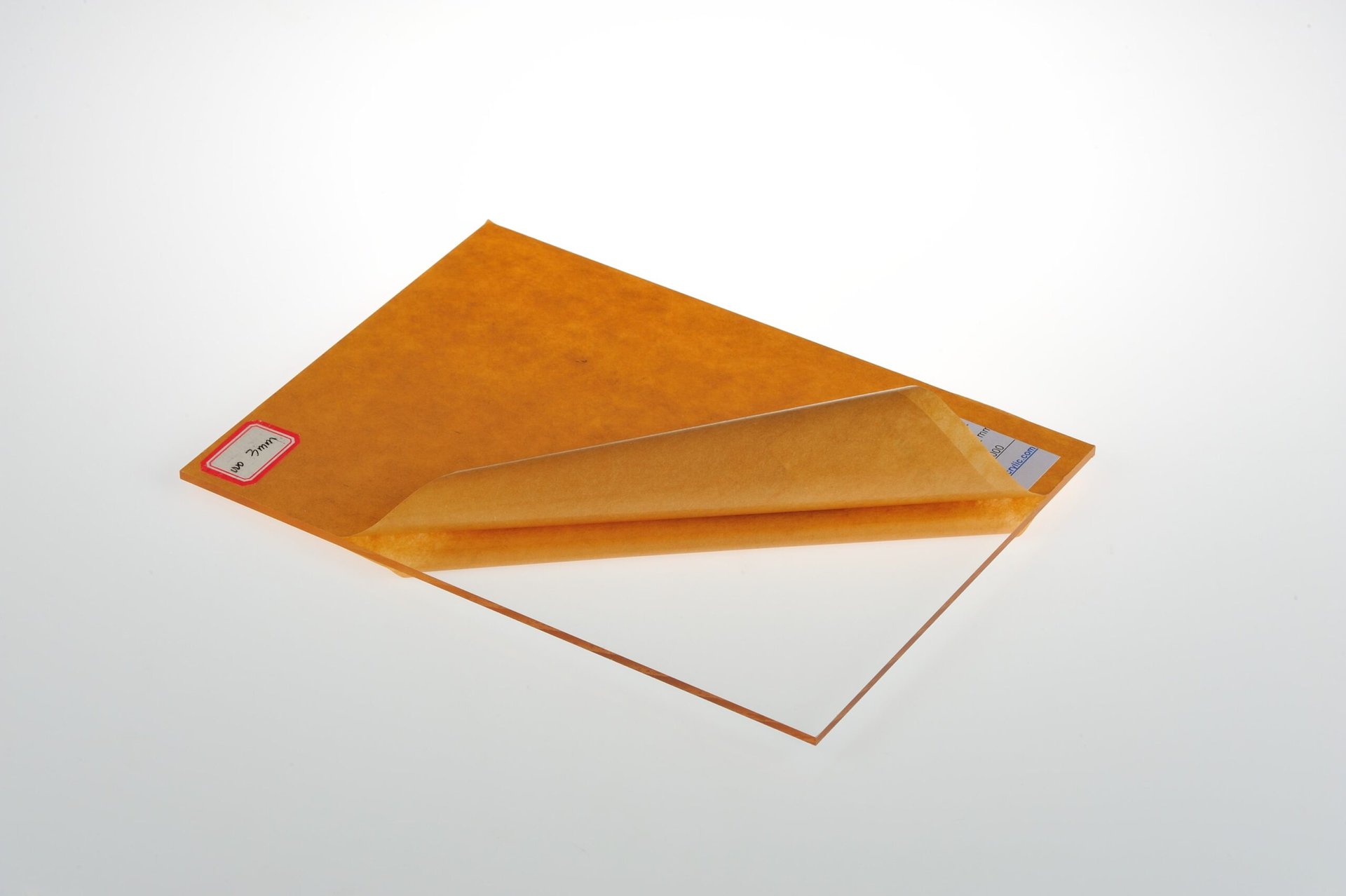
These feature a sophisticated blend of form and function. It makes them excellent for creative projects involving visual appeal and practical privacy. The semi-opaque surface diffuses light beautifully to create a soft glow. Such conditions enhance ambiance without sacrificing design clarity.
Best Applications in Creative Projects
- Privacy Screens: Used in corporate interiors to separate workspaces while maintaining an open feel. The diffused light softens harsh lighting and adds a calming tone.
- Modern Signage: Ideal for laser-engraved or backlit signs with a hot air weld. Frosted acrylic enhances readability and adds a premium aesthetic to brand displays.
- Backlit Displays + Lightboxes: The matte surface diffuses LED light evenly. It eliminates hotspots to create a smooth glow for retail, exhibitions, and hospitality.
- Decorative Panels and Furniture Accents: Used in cabinets, shelving, and wall features to add texture and visual interest without overwhelming.
Advantages for Creative Designers
- Elegant + Contemporary Look: Matte finish adds a refined, high-end feel to any space.
- Privacy Without Isolation: It allows light through while obscuring direct visibility. The feature seems ideal for collaborative zones.
- Low Maintenance: The sheets resist fingerprints and smudges; easy to clean with mild soap and water.
- Fabrication-Friendly: Frosted acrylics can accommodate laser cutting, CNC machining, or thermoforming for custom shapes/sizes.
Frosted sheets can maintain their performance throughout hot and cold environments. It makes them suitable for climate-variable regions.
Common Limitations (with Solutions)
- Reduced Transparency: Frosted surfaces may not suit applications requiring full visibility. Deploy clear acrylic inserts or combine with transparent panels.
- Limited Color Options: Fewer hues are available compared to standard acrylic. Opt for custom frosted finishes or layered color-acrylic combinations.
- Surface Texture Constraints: Matte finish may not suit glossy design themes either. Use dual-finish sheets (frosted one side and gloss on the other).
- Higher Cost Than Clear: They’re slightly more expensive due to the finishing process. Buying in bulk or going for extruded frosted acrylic can enable cost efficiency.
Some Real-World Examples
- Retail Branding: A luxury boutique used frosted acrylic signage with edge-lit LEDs. It created a soft halo effect that elevated brand perception and increased foot traffic.
- Educational Spaces: STEM labs implement frosted partitions to divide collaborative zones while maintaining light flow. It boosts concentration for reduced distractions.
- Hospitality Design: Luxury hotels have adopted frosted acrylic panels in spa and lounge areas. It initiates semi-private + serene environments with minimal structural bulk.
Option #03: Color Acrylic Sheets
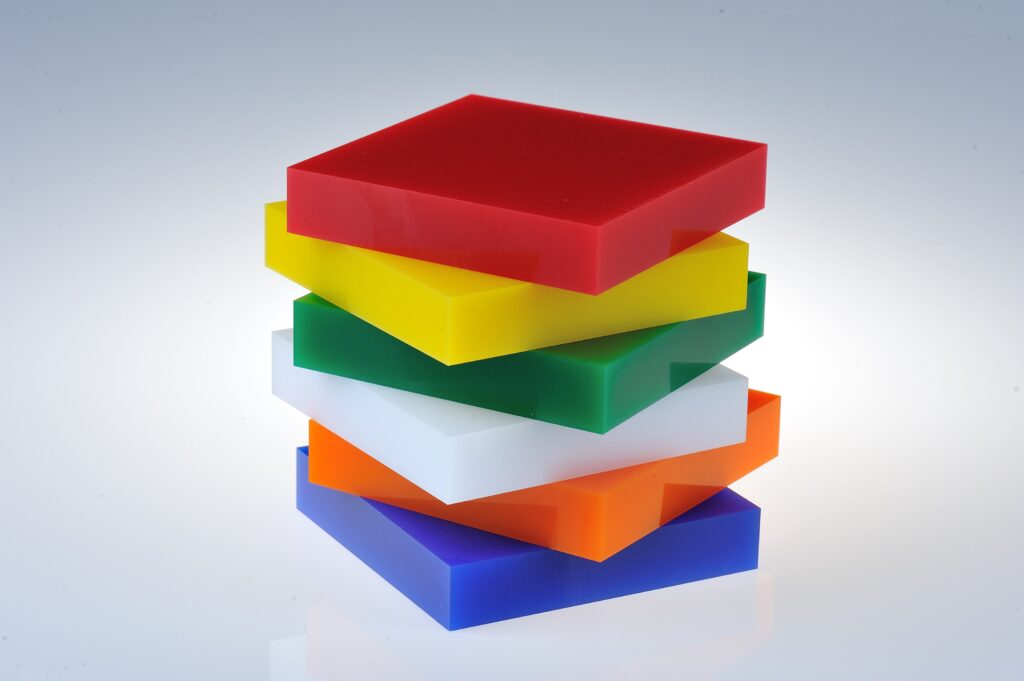
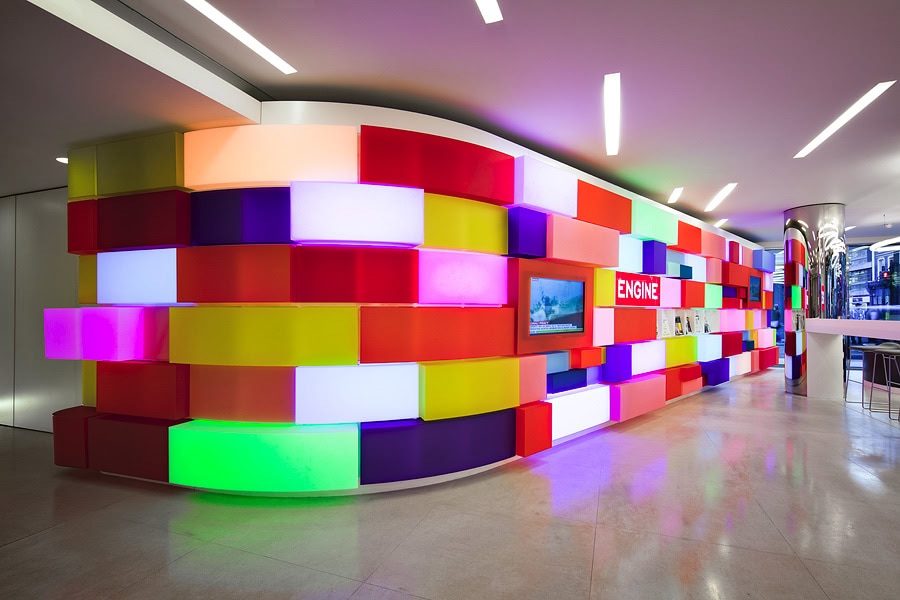
Function meets flair in the form of distinctive colors. They’re available in a dazzling array of hues. Such sheets let creative designers infuse personality, brand identity, and emotional resonance. You can craft signage, lighting, and art installations. Colored acrylics offer unmatched versatility and visual impact.
Best Applications in Creative Projects
- Signage and Branding Displays: Used for laser-cut logos, UV-printed signs, and edge-lit panels. Vibrant colors enhance visibility and brand recall.
- Art Installations + Sculptures: Artists employ layered or backlit colored acrylic to create dynamic light effects, geometric forms, and immersive environments.
- Lighting and Accent Pieces: Translucent colored sheets diffuse LED light beautifully, making them perfect for lampshades, lightboxes, and ambient fixtures.
- Decorative Panels + Furniture Accents: Increasingly used in cabinetry, shelving, and wall features to add texture and color contrast in modern interiors.
- Retail Displays and Product Risers: Colored acrylic adds pop and polish to product showcases in fashion, cosmetics, and tech retail for glass good electrical.
Advantages for Creative Designers
- Vibrant Color Palette: It enables bold, expressive designs across sectors, from retail to hospitality.
- Customizability: Sheets can undergo laser cutting, engraving, printing, or layering for unique requirements.
- Brand Alignment: Custom colors can effectively match corporate palettes and thematic installations.
- Design Versatility: These sheets are suitable for indoor and outdoor uses with UV-resistant variants.
Colored cast acrylic has a Rockwell hardness of M95 and tensile strength of 10,000 psi. No wonder they serve decorative as well as structural applications.
Common Limitations (with Solutions)
- Color Fading in Sunlight: Prolonged UV exposure may dull the vibrancy. Choose UV resistivity easy acrylics for outdoor installations.
- Limited Transparency in Opaque Sheets: They may not suit projects requiring light diffusion. Translucent or semi-transparent variants suit lighting applications.
- Scratch Sensitivity: Glossy surfaces may show wear over time. Apply anti-scratch coatings or use matte finishes for high-touch areas.
- Higher Cost for Specialty Finishes: Iridescent or glitter sheets may be pricier. Extruded colored acrylic can help you achieve some cost efficiency.
Some Real-World Examples
- Event Design: An event agency used fluorescent pink and green acrylic sheets for stage backdrops. The vibrant colors and edge-lit effects created a futuristic ambiance that wowed attendees.
- Interior Decor: Boutique hotels have integrated opaque red and gold acrylic panels into headboards and wall art. Such measures added warmth and luxury without the weight of traditional materials.
- Educational Installations: Maker spaces use color-coded acrylic panels to differentiate zones (blue for robotics + yellow for electronics). It enhances spatial orientation and thematic learning.
Option #04: Mirror Acrylic Sheets
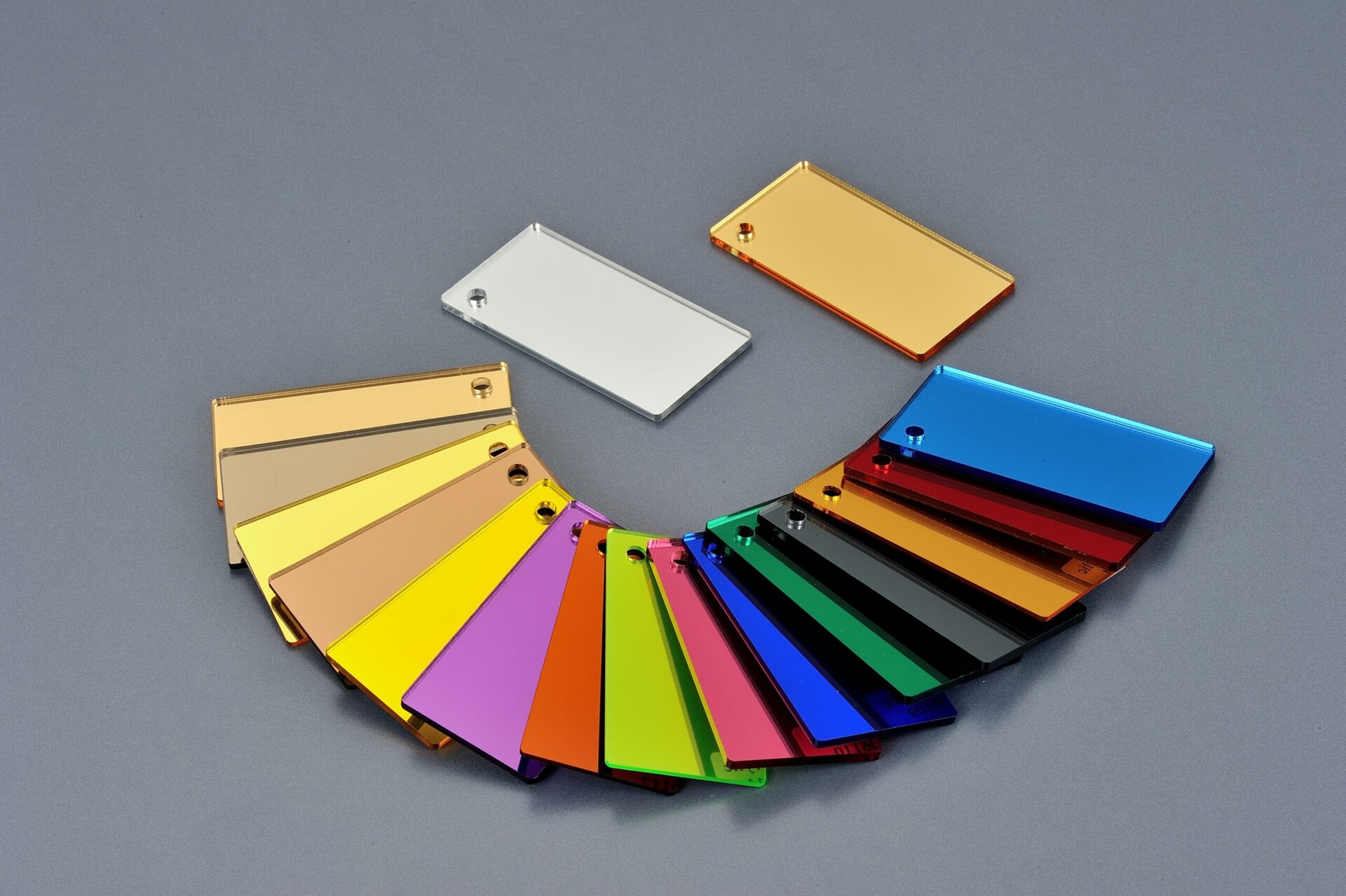
They combine the sleek elegance of traditional mirrors with the versatility of modern thermoplastics. The reflective surface mimics glass mirrors with superior handling, customization, and durability. That’s why it has been a favorite in creative, commercial, and DIY environments.
Best Applications in Creative Projects
- Decorative Mirrors (Wall Panels): Used in homes, salons, and retail interiors to add depth and light without the fragility of glass.
- Mirrored Signage for Branding Displays: Ideal for laser-engraved logos, event signage, and edge-lit installations that demand a premium look.
- Furniture Design + Accents: Integrated into tabletops, drawer fronts, and shelving to add a reflective pop as well as an impressive modern aesthetic.
- Fashion Accessories: Used in jewelry, costume design, and DIY projects for reflective embellishments and lightweight wearability.
- Stage + Event Décor: Popular in theatrical sets and exhibitions for creating illusions, light effects, and spatial expansion with creative details.
Creative studios have used gold mirror acrylic sheets for wedding decor and signage. And the outcome achieved a luxurious look with reduced setup time and cost.
Advantages for Creative Designers
- Lightweight (Easy to Handle): They effectively reduce labor and risk during transport and installation.
- Shatter-Resistant: Incredibly safer than glass across public, child-accessible, and/or high-traffic zones.
- Highly Customizable: Cutting, shaping, and engraving can accomplish complex dimensional products.
- Color Variety: Available in silver, gold, rose, bronze, and tinted finishes throughout top-tier options.
- Cost-Efficient in Bulk: Noticeably lower shipping and fabrication costs compared to traditional mirrors.
Common Limitations (with Solutions)
- Flexibility: The sheets may distort if not mounted on a flat, rigid surface. Use adhesive backing or mount on MDF, aluminum, or foam board.
- Scratch Sensitivity: Glossy surface can show wear over time. Apply protective films or choose anti-scratch coatings.
- Lower Optical Precision: Slight distortion compared to glass mirrors. Stick to thicker sheets or cast-grade acrylic for better reflectivity.
- UV Vulnerability: The sheets may fade or yellow outdoors without protection. Opt for UV-resistant mirror acrylic for exterior applications.
Some Real-World Examples
- Retail Interiors: A fashion brand used rose gold mirror acrylic for wall-mounted logo signage and fitting room accents. It created a chic, Instagram-friendly environment that boosted foot traffic.
- Event Decor: Wedding planners across South Asia frequently use silver mirror acrylic table numbers and signage. Such a pattern combines elegance with durability for outdoor and indoor venues.
- DIY + Maker Projects: Local craft stores report high demand for 8 x 8 mirror acrylic panels, especially among hobbyists. They can comfortably create vanity trays, jewelry holders, and wall art.
Option #05: Textured Acrylic Sheets
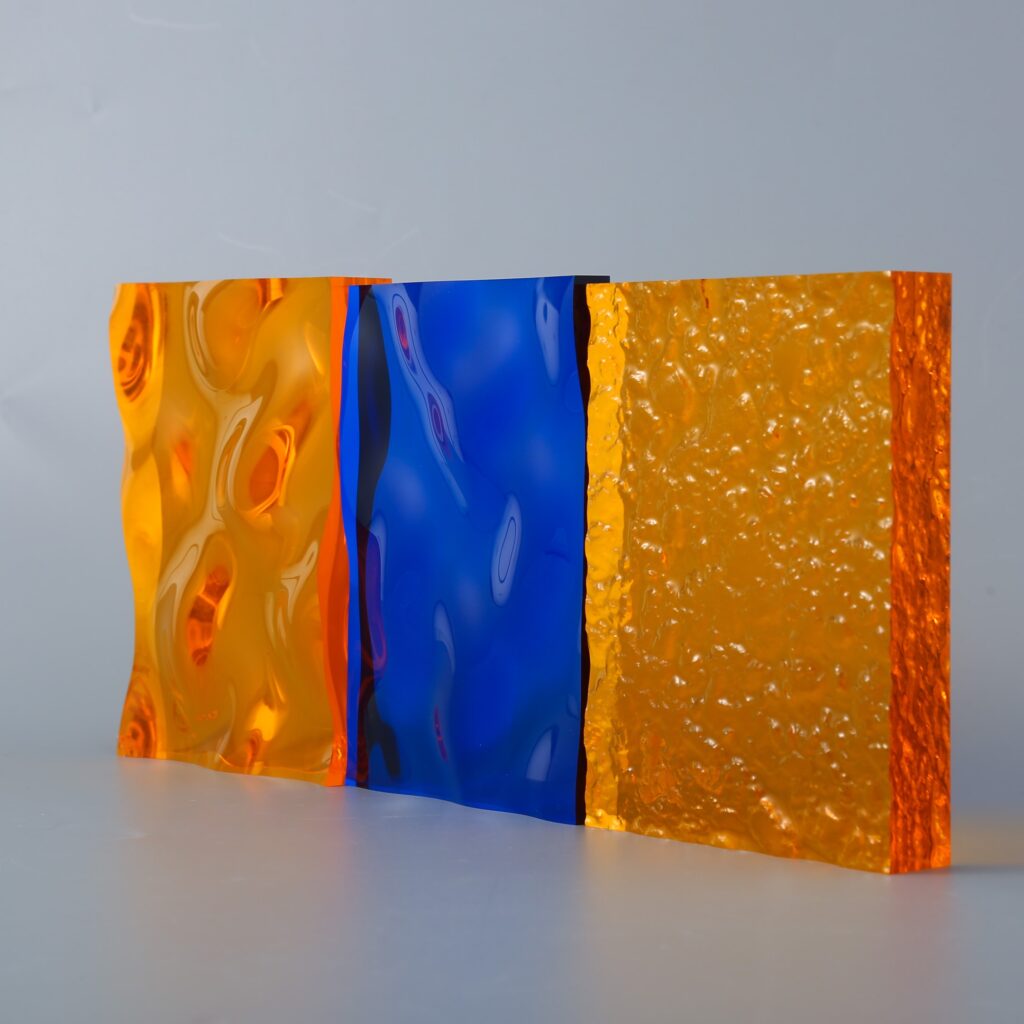
It’s where tactile artistry meets functional design. Unlike smooth or glossy variants, these sheets feature embossed, patterned, or sculpted surfaces. The stock ranges from subtle ripples to bold geometric motifs. Such sheets are ideal for projects involving glue, specific thickness, and glazing.
Best Applications in Impact Resistance Projects
- Art Installations + Sculptures: Artists use textured sheets to create multi-layered compositions, light-reactive sculptures, and interactive exhibits.
- Furniture and Interior Accents: Integrated into tabletops, cabinet doors, and shelving. Textured acrylic adds tactile richness and modern elegance.
- Architectural Features: Used in wall cladding, privacy panels, and ceiling diffusers. Textured sheets offer light diffusion and visuals without full opacity.
- Decorative Signage: Laser-engraved or edge-lit textured acrylic signs stand out with dimensional depth, especially in retail and hospitality environments.
Advantages for Creative Designers
- Visual Depth with Dimension: Textures create dynamic light effects and layered aesthetics.
- Customizable Designs: Commonly available in a wide range of patterns, colors, and finishes.
- Light Diffusion: Softens harsh lighting that is ideal for standard-level ambient environments.
- Fabrication-Friendly: They can be laser-cut, CNC-machined, or bonded for custom installations.
Textured cast acrylic maintains 90% of its structural integrity under thermal and mechanical stress. It seems suitable for both decorative and semi-load-bearing applications.
Common Limitations (with Solutions)
- Surface Cleaning Challenges: Textures may trap dust or fingerprints. Use anti-static cleaners or microfiber cloths for maintenance.
- Limited Transparency: They may not suit applications requiring full visibility. Combine with clear acrylic inserts or use dual-layer panels.
- Higher Cost for Specialty Finishes: Iridescent or custom textures may be pricier. Buy in bulk or opt for extruded textured acrylic for cost efficiency.
- Warping in Thin Sheets: Thin panels may flex under pressure. Mount on rigid substrates like MDF or aluminum for stability.
Some Real-World Examples
- Event Design: An event agency used pearlescent ripple acrylics for stage backdrops and signage at a fashion show. The textured surface reflected light in waves to create a dynamic visual experience.
- Retail Interiors: Boutique stores have adopted bubble-textured acrylic panels for product displays and shelving. Such a creative measure effectively added playful sophistication and tactile engagement.
- Hospitality Decor: Luxury hotels implement frosted honeycomb acrylic sheets in spa partitions and lighting fixtures. The decorative action created light-filled environments with privacy and elegance.
Option #06: Plexiglass Acrylic (Laser-Cut)
Plexiglass (Plexiglas, Lucite, Perspex) is heavily used interchangeably with acrylic. However, Plexiglass is actually a brand name for standard PMMA. In bulk form, Plexiglass acrylic sheets are a go-to material for creative projects.
Best Applications in Creative Projects
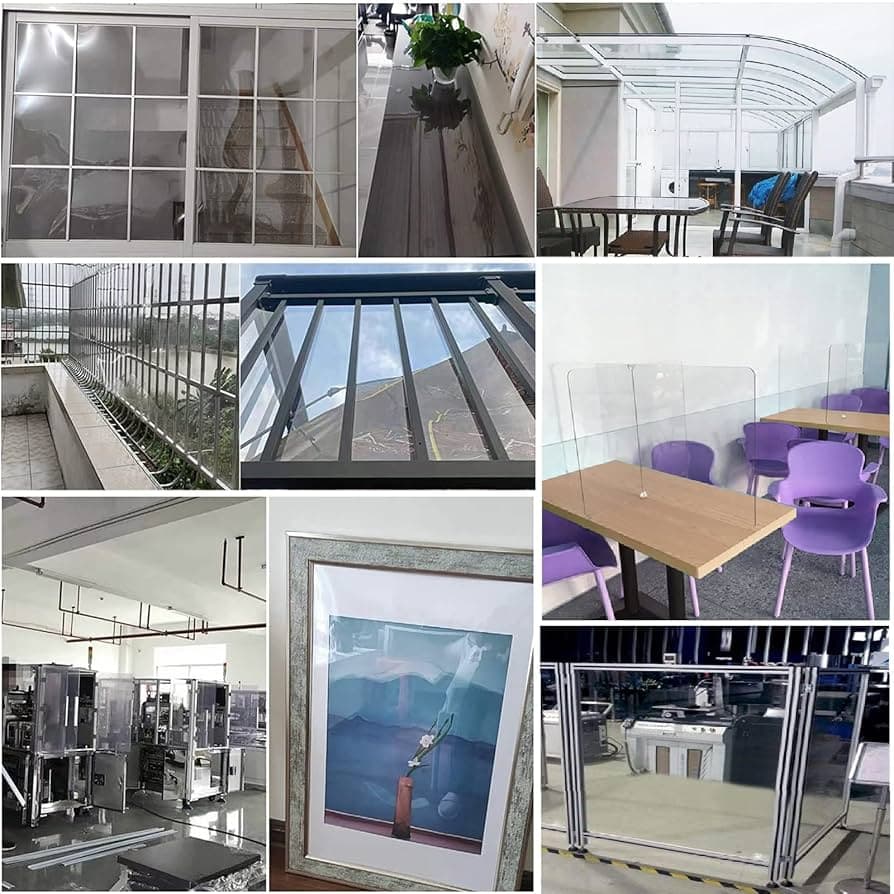
- Display Cases: It (half the weight of glass) has uses in retail stores to showcase business items to customers for sales with high visibility and protection.
- Protection Shields + Barriers: Common in healthcare, hospitality, and educational settings for sneeze guards, desk partitions, and equipment covers.
- DIY Projects and Home Décor: Makers use Plexiglass for floating shelves, custom trays, wall calendars, and furniture accents.
- Product Prototypes: Engineers and designers rely on Plexiglass for mockups, enclosures, and functional prototypes due to its machinability and stability.
Some startups widely carry on Plexiglass sheets for rapid prototyping of IoT devices. It’s because they offer a balance between structural integrity and aesthetics.
Advantages for Creative Designers
- High Durability: These sheets are impact-resistant. The same goes for weathering and mechanical stress.
- Scratch Resistance: Many variants include hard-coated surfaces that go well with high-touch environments.
- Lightweight + Safe: Notably easier to transport and install; safer in public or child-accessible zones.
- Finish Variety: Supports diverse design aesthetics, ranging from minimalist to vibrant and textured.
- UV and Weather Resistance: Suitable for both indoor and outdoor applications with long-term clarity.
Plexiglass sheets are up to 50% lighter than glass. Therefore, it reduces installation costs while improving safety in suspended or mobile applications.
Common Limitations (with Solutions)
- Surface Scratching: Glossy finishes may show wear over time. Use matte or hard-coated variants, or apply protective films.
- Brittleness Under Extreme Force: They may crack under high-impact stress. Switch to impact-modified acrylic or polycarbonate for critical zones.
- Thermal Expansion: They can expand or warp under heat. Allow expansion gaps in mounting or use cast-grade sheets.
- Higher Cost for Specialty Finishes: Mirrored or textured Plexiglass may be pricier. Buy in bulk or choose extruded sheets for cost-sensitive projects.
Some Real-World Examples
- Retail Displays: A cosmetics brand used frosted Plexiglass panels for product risers and signage. It helped the brand achieve a clean, modern aesthetic while ensuring durability in high-traffic zones.
- Educational Installations: STEM labs in many countries increasingly implement clear Plexiglass shields for robotics enclosures and lab partitions. They offer superior visibility and safety for hands-on learning.
- Home Decor: DIY enthusiasts have created floating shelves, custom desk organizers, and wall-mounted calendars using pre-cut Plexiglass sheets. It effectively combines function with minimalism.
Conclusion
Appropriate material choice is mandatory for any project, creative or not. Bulk options can save you time, effort, and money in the long run. The right acrylic can offer many possibilities for designers, DIYers, makers, and innovators to build with confidence.
Get Your Wholesale Acrylic Sheets from JUMEI
Not many suppliers can meet the quality, aesthetics, and longevity of acrylic sheets. That’s where Jumei Acrylic shines bright in the market. You can find the best experts with top work experience to partner with you. Contact us for information through questions from our team.
]]>