However, collaborating with the right manufacturer ultimately makes the difference. This article digs up the leading producers with redefining standards with cutting-edge technology for absolute quality.
Modern Acrylic Sheets: Properties and Applications
Material Composition
Acrylic sheets are primarily made from PMMA (polymethyl methacrylate). PMMA is a transparent thermoplastic from natural gas. It’s known for optical clarity, weather resistance, and ease of fabrication.
Different Types of Acrylic Sheets
- Cast Acrylic: Clear acrylic sheets that harness easy machinability; ideal for high-end applications.
- Extruded Acrylic: More cost-effective with consistent thickness; notably suitable for mass production.
- Abrasion-Resistant Acrylic: Well-coated for scratch resistance; applied in high-contact environments.
- Impact-Modified Acrylic: Enhanced toughness to survive various applications, used in safety barriers.
- Tinted and Colored Acrylic: Available in an extensive range of hues for decorative and/or branding purposes.
- Textured Acrylic: Provides reasonable privacy with noteworthy aesthetic appeal in architectural design.
Acrylic sheets are marketed under brand names like Plexiglass, Perspex, and Lucite. Such names make the material more specifically recognizable worldwide.

Key Properties of Clear Acrylic Sheets
- Transparency: Acrylic sheets transmit up to 92% of visible light, outperforming glass in clarity.
- Strength and Impact Resistance: They are 17 times more impact-resistant than glass, making them safer for public installations.
- Lightweight: Acrylic weighs less than half of glass, reducing transportation and installation costs.
- Weather Resistance: Superior UV and moisture resistance ensure long-term outdoor use without yellowing.
- Ease of Fabrication: Can be cut, drilled, thermoformed, and polished with standard tools, enabling custom sizes.
- Chemical Resistance: Resistant to many acids and bases, though vulnerable to solvents like acetone.
Hallmarks of Top Acrylic Sheet Manufacturers
Manufacturing Excellence
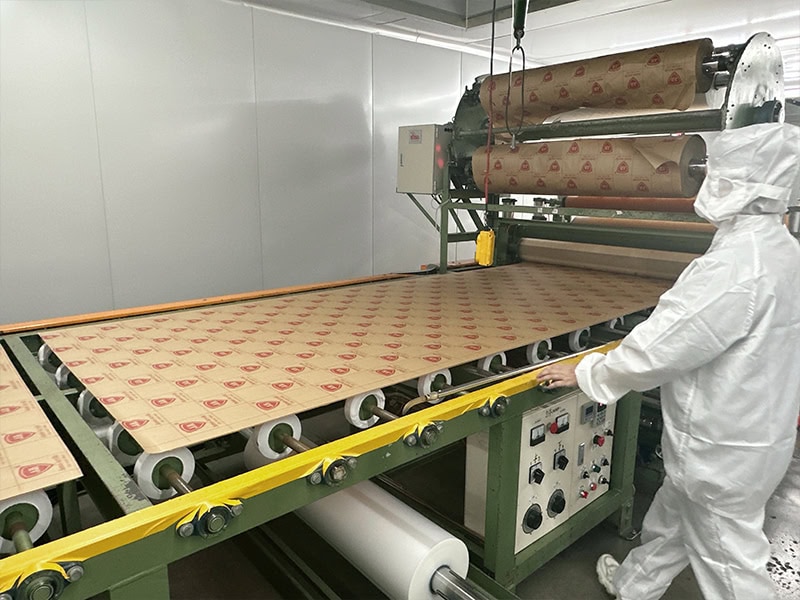
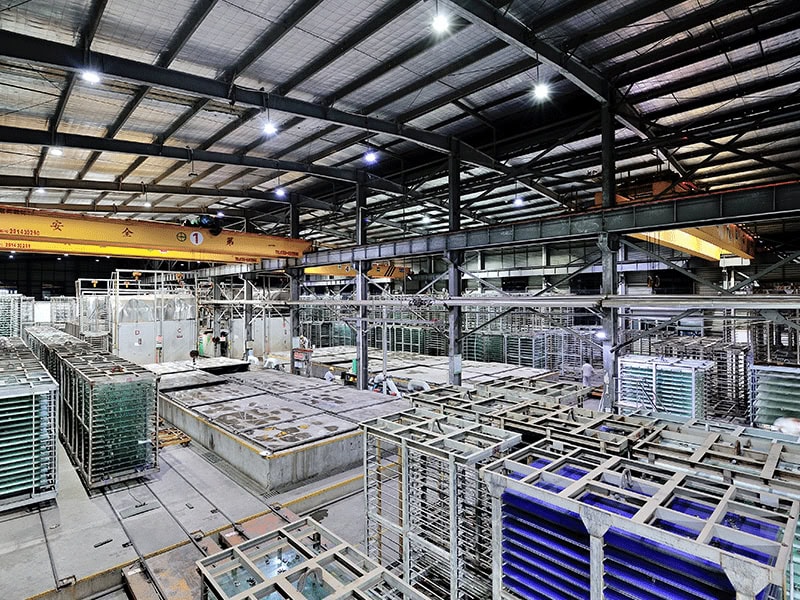
Leading manufacturers employ precision casting and extrusion for consistent thickness, clarity, and durability. Enhanced casting methods enable superior optical clarity compared to traditional extrusion.
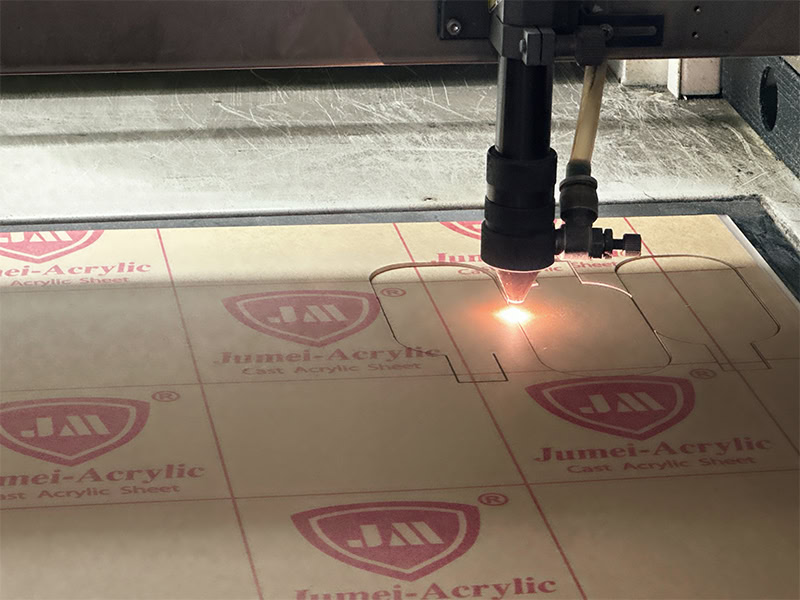
Product Range and Laser-Cutting Customization
Top producers offer clear, glitter, matte, colored, textured, impact-modified, and UV-resistant sheets. Each one caters to diverse industries from construction to healthcare. Customization options include –
- Cut-to-size full sheets for specific architectural projects.
- Special coatings (anti-reflective, abrasion-resistant, UV-blocking).
- Brand-specific colors and textures for retail and advertising.
CLAREX cell-cast acrylic sheets allow tailored solutions with anti-reflective coatings and diffusive features for electronics and optics. Customization is a major demand driver across Asia.
Top manufacturers like Jumei Acrylic offer bespoke solutions for the signage and packaging industries. They perfectly reflect regional (up to local) branding, signage, and advertisement needs.
Innovation and Research and Development
- Technological Breakthroughs: Innovations include enhanced casting techniques, eco-friendly formulations, and nanocoatings that improve scratch resistance and longevity.
- Sustainability Focus: R&D is increasingly directed toward bio-based acrylics and recycling processes to meet global environmental standards.
- Industry Transformation: Aerospace applications highlight innovation. Stretched acrylic sheets in cockpit canopies offer 300% higher impact resistance than glass, reducing aircraft weight by 400 kg per F-35 jet.
- Expert Insight: Manufacturers investing at least 5% – 7% of revenue into R&D tend to lead in market share, as innovation drives differentiation.
Quality Assurance and Testing
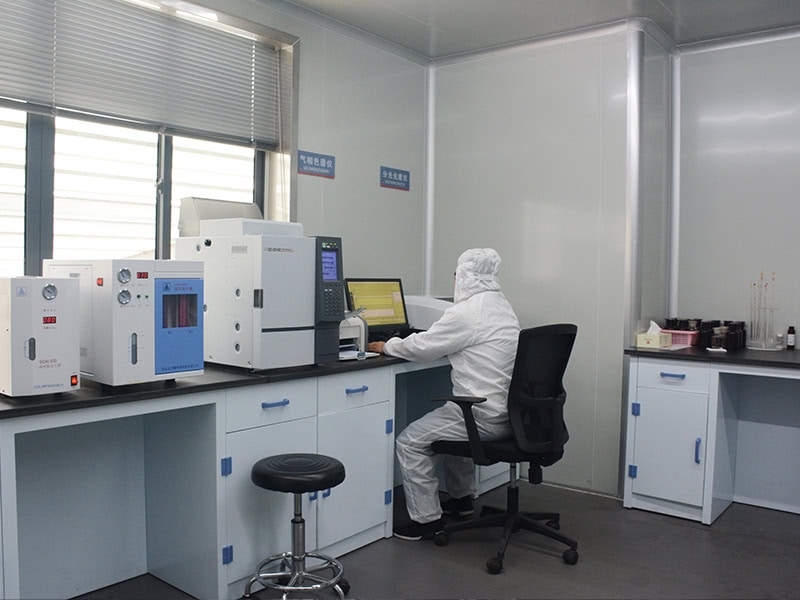
- Multi-Stage Testing: Leading firms implement 5-step quality control systems, including raw material inspection, dimensional accuracy checks, and optical clarity verification.
- Global Standards: Certifications such as ISO 9001 and SGS weather resistance tests ensure compliance with international benchmarks.
- Expert Tip: Buyers should prioritize makers with transparent quality documentation. Such measures reduce risks in high-stakes applications like medical barriers or aerospace glazing.

Key Innovations in Acrylic Sheet Manufacturing
Enhanced Performance Features
Modern acrylic sheets are engineered to outperform traditional glass and plastics through specialized coatings and formulations. Some noteworthy examples include –
- Anti-Scratch and Abrasion-Resistant Coatings: Advanced nanocoatings extend sheet life in high-contact environments like retail displays and public transport.
- UV Protection and Weatherability Improvements: UV-stabilized sheets prevent yellowing and degradation, maintaining clarity for 10+ years outdoors.
- Enhanced Impact Resistance (Bullet-Resistant): Impact-modified acrylic can be up to 17x stronger. Such acrylic is used in bank teller windows, military vehicles, and secure facilities.
- Fire-Rated and Flame-Retardant Formulations: Fire-rated acrylic meets UL 94 standards, reducing risk in construction and transport.
- Anti-Fog and Anti-Static Treatments: Anti-fog coatings are critical in medical incubators and refrigerated displays. Anti-static sheets prevent dust accumulation in cleanrooms and electronics manufacturing.
Sustainability Initiatives
Global manufacturers are investing heavily in eco-friendly practices to align with circular economy goals. You’re guaranteed to encounter one or more of the following –
- Recycled Acrylic Options: Recycled PMMA reduces reliance on virgin petrochemicals.
Example: Lucite International has launched recycled acrylic for signage and furniture markets.
- Energy-Efficient Manufacturing Processes: Modern extrusion lines consume 20% – 30% less energy through automation and heat recovery systems.
- Reduced Carbon Footprint Initiatives: Global leaders like Mitsubishi Chemical report 15% lower CO₂ emissions by optimizing logistics and production.
- Bio-Based Acrylic Alternatives: R&D is exploring bio-PMMA derived from renewable feedstocks like sugarcane. Bio-based acrylic could capture 10% of the market by 2030.
- Waste Reduction and Recycling Programs: Manufacturers recycle offcuts and defective sheets into pellets for reuse.
Example: European Union mandates a minimum 30% recycled content in plastics by 2030, pushing innovation in acrylic recycling.

Advanced Processing Technologies
Precision Cutting and CNC Machining: CNC routers achieve ±0.1 mm accuracy, enabling complex architectural designs.
Laser Cutting and Engraving Services: Laser technology allows intricate patterns for luxury retail displays and signage.
Thermoforming and Bending Innovations: Sheets can be thermoformed into complex 3D shapes without losing clarity.
Digital Printing and Coloring Techniques: UV digital printing enables photo-quality graphics directly on acrylic sheets.
Smart Manufacturing: Industry 4.0 integration allows real-time monitoring, predictive maintenance, and AI-driven quality checks.
Digital Integration and Customer Service
- Online Product Configurators and Design Tools: Clients can select thickness, color, and finish online, reducing design cycles.
- Digital Sample Ordering and Visualization: Augmented reality (AR) tools let customers visualize acrylic sheets in real-world settings.
- Supply Chain Transparency and Tracking: Blockchain-based tracking ensures authenticity and sustainability compliance.
- Technical Support and Design Consultation: Manufacturers offer virtual consultations for architects and engineers, speeding up project approvals.
- Fast Turnaround and Just-in-Time Delivery: AI-driven logistics reduce lead times by 15% – 20%, ensuring on-demand supply for industries.
Selecting the Right Acrylic Sheet Manufacturer
Evaluation Criteria
- Industry Experience and Reputation: Established manufacturers with 10+ years of experience often have proven track records in delivering consistent quality.
Look for manufacturers with strong export histories. It’s because global reach often signals reliability and compliance with international standards.
- Product Quality and Consistency: Acrylic sheets should meet ISO 9001 quality standards and pass optical clarity, thickness uniformity, and impact resistance tests.
Consistency is critical for industries like aerospace and healthcare, where safety and performance cannot be compromised.
- Diverse Range and Customization Options: Leading manufacturers offer cast, extruded, UV-resistant, impact-modified, flame-retardant, and colored sheets (blue, gold, iridescent).
Customization includes cut-to-size, coatings (anti-scratch, anti-fog), and specific opaque colors. Jumei can provide tailored solutions for retail and architectural clients to save time.
- Technical Expertise and Customer Support: Manufacturers with in-house R&D teams and technical consultants can guide clients on material selection, fabrication, and installation.
Most of the Asia-based customer support often includes on-site training for fabricators, ensuring proper handling of acrylic sheets.
- Pricing Structure and Value Proposition: Transparent pricing models that balance cost with durability and performance are essential.
Avoid focusing solely on a low price. Instead, carefully consider lifecycle costs. It’s because high-quality sheets reduce replacement frequency for designers, company, and businesses.
Questions to Ask Potential Manufacturers
01. Manufacturing Processes and Quality Control Measures
Ask: Do you use cast or extruded methods, and how do you ensure thickness consistency?
Leading firms employ multi-stage inspections, including optical clarity and weather resistance testing.
02. Lead Times and Minimum Order Quantities (MOQs)
Global manufacturers typically offer 2 – 6-week lead times depending on customization. MOQs vary; some suppliers require 500 – 1000 sheets, while others cater to smaller orders for niche industries.
03. Customization Capabilities and Limitations
Ask about color matching, coatings, and thermoforming options.
Example: Retail chains often demand brand-specific colors, which only advanced manufacturers can deliver consistently.
04. Certifications and Compliance Documentation
Look for ISO 9001, UL 94 flame ratings, SGS weather resistance tests, and REACH compliance. Aerospace and medical industries require FAA and FDA certifications, respectively.
05. Technical Support and After-Sales Service
Ask: Do you provide design consultation, installation guidance, and troubleshooting support?
Example: European suppliers often offer virtual consultations for architects and engineers.
06. Sample Availability and Testing Options
Request samples for scratch resistance, UV stability, and impact strength tests before committing to bulk orders.
Always test samples under real-world conditions (outdoor exposure, chemical contact).

Red Flags to Avoid
- Lack of Transparency About Materials and Processes: If a manufacturer cannot explain whether sheets are cast or extruded, this signals poor technical standards.
- Inconsistent Product Quality or Poor Reviews: Negative feedback on optical clarity, yellowing, or brittleness is a warning sign.
Example: Some low-cost suppliers in emerging markets have faced criticism for inconsistent thickness and poor UV resistance.
- Limited Technical Knowledge or Support: Manufacturers unable to provide technical datasheets or fabrication guidance may not meet industry demands.
- Unrealistic Pricing (Too Low May Indicate Poor Quality): If pricing is 30% – 40% below market average, it often reflects inferior raw materials or a lack of quality testing.
Market Insight: The average price of high-quality cast acrylic is USD 3 – 4 per kg. However, low-cost alternatives in stock may fall below USD 2 per kg.
- Poor Communication or Unresponsiveness: Delayed responses or vague answers to technical queries indicate weak customer service.
How to Work with Your Acrylic Sheet Manufacturer for the Best Outcome?
Specification and Ordering Process
How to Specify Your Requirements Accurately: Define dimensions, thickness, color, finish (frosted or translucent), and performance features (UV resistance, fire rating). Always provide CAD drawings or digital mockups to avoid misinterpretation.
Example: A construction firm in Dubai specifies UV-stabilized sheets with 12 mm thickness for outdoor signage to withstand desert heat.
Understanding Technical Data Sheets and Specifications: Manufacturers provide TDS (Technical Data Sheets) detailing optical clarity, tensile strength, impact resistance, and thermal expansion.
Acrylic sheets typically transmit 92% of visible light, outperforming glass. Compare TDS across suppliers to ensure compliance with ISO 9001 and ASTM standards.
Sample Evaluation and Testing: Request samples for scratch resistance, UV stability, and impact strength.
Example: Retail chains in Europe test acrylic samples under 24-hour UV exposure chambers before approving them for store displays.
Prototype Development and Approval Process: Manufacturers often provide prototype sheets or mockups for client approval. Automotive firms prototype headlight covers using impact-modified acrylic before mass production.
Fabrication and Installation Support
Partnering with Manufacturers That Offer Fabrication Services: Some manufacturers provide CNC cutting, laser engraving, and thermoforming services.
Example: Japanese suppliers offer precision laser engraving for electronics casings.
Installation Guidelines and Best Practices: Acrylic sheets expand with temperature; allow 3–5 mm expansion gaps per meter during installation. Use non-abrasive cleaning agents to avoid surface damage.
Stadium skylights in Europe use special mounting systems to accommodate thermal expansion.
Maintenance and Care Recommendations: Clean with mild soap and water, avoid ammonia-based cleaners. Polish scratches using specialized acrylic polish kits.
Expert Tip: Schedule annual inspections for outdoor installations to check for UV degradation.
Troubleshooting Common Issues
- Cracking: Often due to improper drilling—use special acrylic drill bits.
- Yellowing: Indicates poor UV stabilization; replace with UV-resistant sheets.
- Warping: Caused by uneven installation or excessive heat exposure.
Building Long-Term Partnerships
Benefits of Establishing Relationships with Manufacturers: Long-term clients often receive priority service, faster lead times, and dedicated support.
Example: Aerospace firms maintain exclusive contracts with acrylic suppliers for cockpit canopy production.
Volume Discounts and Contract Opportunities: Bulk orders can reduce costs by 10–20%, especially for construction and retail projects.
Expert Tip: Negotiate annual supply contracts to lock in pricing and ensure availability.
Access to New Products and Innovations: Partnering with leading manufacturers provides early access to bio-based acrylics, anti-scratch coatings, and smart sheets.
Example: European automotive firms gained early access to flame-retardant acrylic sheets for interior panels.
Priority Service and Dedicated Account Management: Top manufacturers assign account managers to handle technical queries, logistics, and after-sales support.
Case: Large aquarium projects in Asia benefit from dedicated teams ensuring delivery of extra-thick cast acrylic panels.
Frequently Asked Questions (FAQs)
- What makes a top acrylic sheet manufacturer stand out?
A top acrylic sheet manufacturer stands out through consistent product quality, advanced R&D, global certifications, and customer-focused innovation, ensuring reliability across industries.
- Are acrylic sheets better than polycarbonate sheets?
Yes. Acrylic sheets offer superior optical clarity (92% light transmission) and better scratch resistance. Meanwhile, polycarbonate excels in impact strength. The choice depends on application needs.
- How long do acrylic sheets last outdoors?
High-quality UV-stabilized acrylic sheets can last 10–15 years outdoors without yellowing or losing clarity. It makes them ideal for signage and construction.
- Can acrylic sheets be recycled?
Yes. Many manufacturers now offer recycled PMMA sheets, supporting circular economy practices and reducing environmental impact.
- What thickness options are available for acrylic sheets?
Acrylic sheets range from 1 mm to 50 mm in thickness, with custom options available for specialized applications like aquariums or aerospace glazing.
- Are acrylic sheets safe for food contact?
Food-grade acrylic sheets comply with FDA and EU regulations, making them safe for use in food displays, containers, and protective barriers.
- How do manufacturers ensure quality consistency?
Top manufacturers use multi-stage testing, including optical clarity checks, impact resistance tests, and weatherability trials to meet ISO and ASTM standards.
Conclusion
Choosing the right acrylic sheet manufacturer isn’t some random procurement decision. It makes your investment worth it in terms of quality and innovation for long-term success. The best manufacturers also deliver confidence, reliability, and vision with the sheets.
Get the Top Acrylic Sheets for Your Projects at JUMEI
Jumei Acrylic is one of the few options within major suppliers. You’re guaranteed to meet satisfaction. Contact us to reach our experienced experts with a commitment to possibilities and creativity for ideas.
]]>Even the slightest misstep can lead to delays, defects, or budget overruns. In contrast, the right choice can unlock innovation, reliability, and long-term growth. This article serves as your strategic guide to selecting the ideal manufacturing partner for your acrylic-based project.
Quality Consistency
Consistency in quality marks a strategic advantage for the end user. In manufacturing, even minor deviations can lead to product failures, costly recalls, or damage to reputation.
Robust quality control reduces waste, boosts customer satisfaction, and ensures product reliability. Such privileges prevail throughout the entire production cycle with a top-tier acrylic sheet manufacturer.
Consistency in quality safeguards brand reputation while minimizing potential rework requirements. You can expect full compliance with customer expectations and regulatory demands.
Industry Standards and Certifications
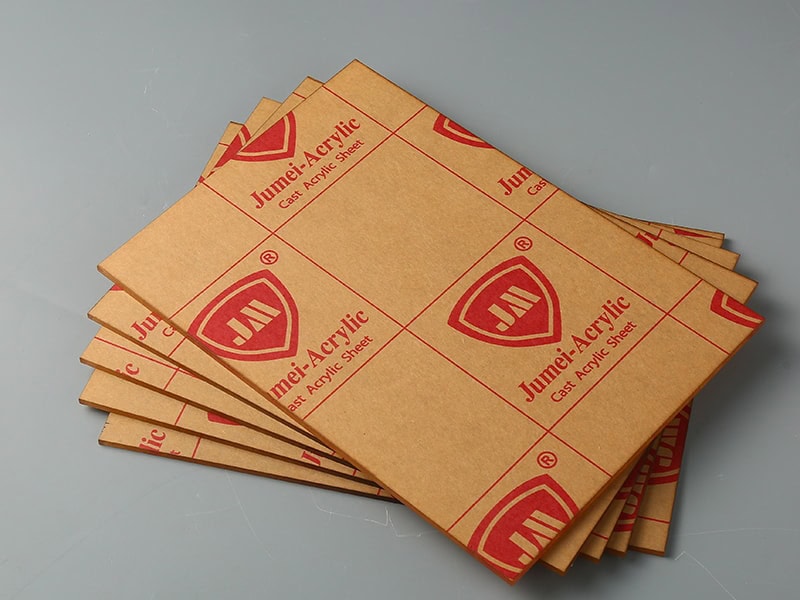
Certifications like ISO 9001, ASTM, and ISO 14001 hold operational blueprints for acrylic sheets.
- ISO 9001: The most widely adopted quality management standard globally. It mandates a process-driven approach to ensure products consistently meet customer and regulatory requirements.
Manufacturers with ISO 9001 certification demonstrate commitment to continual improvement, customer focus, and traceable documentation.
- ASTM International: Sets technical standards for materials, products, systems, and services. For example, ASTM standards in construction ensure that acrylic sheets and plastic materials like polycarbonate meet performance benchmarks.
- ISO 14001: Focuses on environmental management. Manufacturers with this certification show they’re using recycled acrylics to reduce waste, manage resources responsibly, and comply with environmental regulations.
Quality Assurance Practices
Quality assurance (QA) goes beyond inspection. It’s also about preventing defects before they occur. While quality control (QC) identifies issues post-production, QA embeds quality into the process itself. Effective QA practices include –
- Incoming Material Inspection: Verifying raw materials meet specifications before entering production.
- In-Process Testing: Close monitoring during the production of plexiglass sheets to catch deviations early.
- Final Product Inspection: Ensuring finished goods meet dimensional, functional, and aesthetic standards.
- Statistical Process Control (SPC): Using data analytics to monitor and control production variability.
Companies that implement ISO 9001 and rigorous QA practices report up to 30% reduction in defects and 20% improvement in customer satisfaction.
Industry Experience: Why Sector Familiarity Matters?
Manufacturers with proven experience in cast acrylic sheets bring more than precision over glass. They understand sector-specific challenges, regulatory requirements, and customer expectations.
67% of procurement leaders prioritize industry-specific experience when selecting suppliers, citing reduced onboarding time and fewer production errors.
In the renewable energy sector, Vestas partners with manufacturers who specialize in composite materials and turbine blade aerodynamics for performance and durability in harsh environments.
Specialized Knowledge: Materials, Technologies, Techniques
Beyond general experience, manufacturers must demonstrate technical mastery in the materials and processes your project demands.
- Materials Expertise: It can be thick, glazed, or colored acrylic sheets. The right manufacturer understands sourcing, handling, and performance characteristics.
- Technology Proficiency: From CNC machining and injection molding to AI-powered quality inspection and additive manufacturing, specialized capabilities ensure precision and innovation.
- Production Techniques: Techniques like lean manufacturing, Six Sigma, or just-in-time (JIT) production can drastically improve efficiency and reduce waste.

Track Record of Success: Proof Over Promises
A manufacturer’s portfolio tells you more than any pitch. It’s not something that you can glue together with solvent-based adhesives. Look for –
- Projects similar in thickness, complexity, and compliance requirements.
- Documented outcomes: delivery timelines, defect rates, and client satisfaction.
- Repeat clients or long-term partnerships (a sign of reliability).
84% of buyers consider the past performance and client references as critical decision factors. A strong track record reduces risk and builds confidence in the manufacturer’s ability to meet your expectations.
Customization and Flexibility
One-size-fits-all manufacturing rarely delivers a competitive advantage. You can produce seasonal retail goods, industrial components, or tech-enabled devices. The manufacturer must be a collaborative problem-solver to create what you need.
Every project has distinct timelines, specifications, heat requirements, lighter, compliance needs, and customer expectations. A manufacturer’s ability to tailor production processes, workflows, and delivery schedules is critical to ensuring alignment with your goals.
72% of buyers said supplier flexibility was a top factor in repeat business, especially in sectors with seasonal or custom product (sheets) cycles. Flexibility is a strategic necessity for adapting to evolving project demands and market shifts.
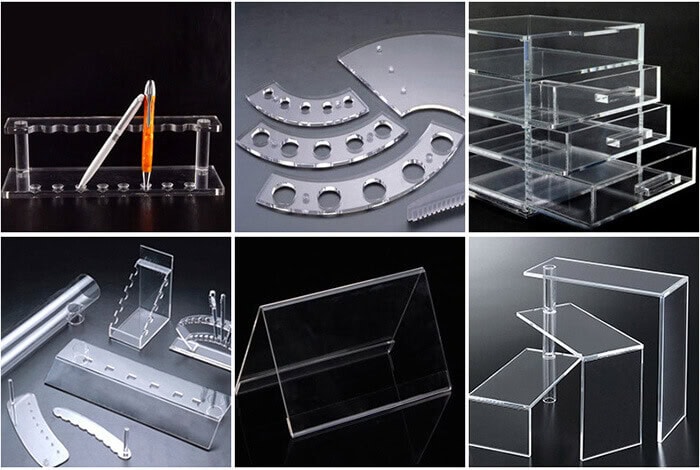
Range of Customization Options: Recycled Acrylic
Customization goes beyond aesthetics as it’s also about functional alignment. The right manufacturer should offer variety and versatility within properties –
- Design: Ability to modify shapes, patterns, branding elements, and structural features.
- Materials: Access to diverse material grades, finishes, and sustainable alternatives.
- Size and Dimensions: Precision in scaling components to fit specific use cases or regulatory constraints.
- Functionality: Integration of smart features, modularity, or enhanced durability based on application.
Companies offering product customization through flexible manufacturing saw 20% – 30% higher customer retention and 15% faster market penetration. A manufacturer’s customization capabilities directly impact product-market fit, brand differentiation, and compliance.
Design and Prototyping Services
Before mass production begins, prototyping bridges the gap between concept and reality. Manufacturers who offer in-house design support and rapid prototyping help refine ideas, identify flaws early, and reduce costly revisions.
- Design Support: CAD modeling, material selection guidance, and compliance consulting.
- Mockups: Visual or functional samples to validate the designer form, fit, and usability.
- Prototyping: 3D printing, CNC machining, or low-volume runs to test performance under real-world conditions.
Companies that prototype early in the product lifecycle reduce development costs by up to 35% and improve launch success rates by 25%. Prototyping isn’t optional as it validates design, optimizes performance, and ensures manufacturability.
Modern Manufacturing Techniques: Efficiency Meets Precision
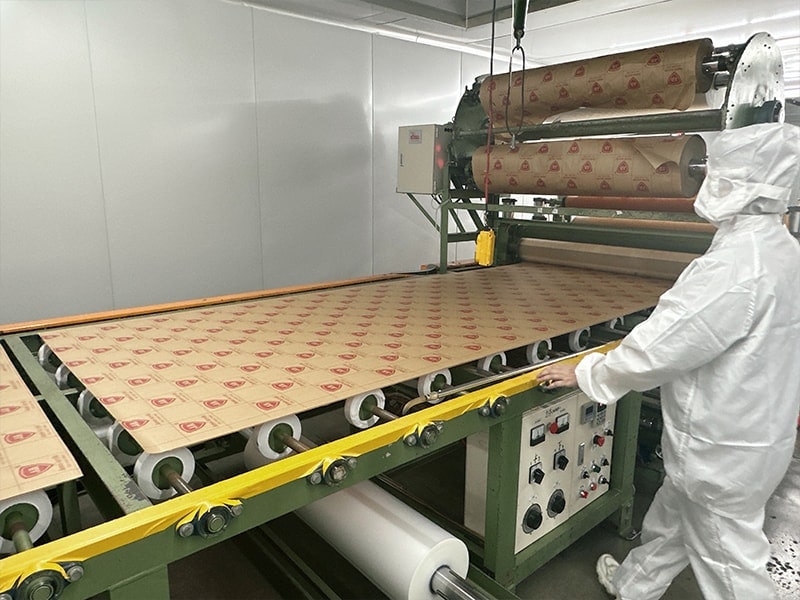
Advanced and smart manufacturers leverage state-of-the-art equipment such as automation, robotics, and additive manufacturing. They offer distinct advantages –
- Automation and Robotics: Reduce human error, accelerate throughput, and ensure consistent quality. In the automotive and electronics sectors, robotic arms handle precision assembly with micron-level accuracy.
- 3D Printing (Additive Manufacturing): Enables rapid prototyping, design iteration, and low-volume production with minimal tooling costs. Ideal for custom components, medical devices, and aerospace parts.
- CNC Machining and Laser Cutting: Deliver high-precision parts with tight tolerances, essential for industrial, shop signage, and infrastructure applications.
Modern techniques drive speed, precision, and repeatability for pre- and post-production. Free care and an easy start may not be the most popular approach.
Innovation in Manufacturing: Future-Ready Partnerships
Innovation is all about mindset. Manufacturers who embrace new technologies and continuous improvement can help you stay ahead of market demands.
- Smart Factories: Use IoT sensors, AI-driven analytics, and real-time monitoring to optimize production and predict maintenance needs.
- Digital Twins: Virtual replicas of production systems allow simulation and testing before physical execution to reduce risk and improve design accuracy.
- Sustainable Manufacturing: Adoption of energy-efficient machinery, closed-loop systems, and biodegradable materials aligns with ESG goals and consumer expectations.
Manufacturers investing in digital innovation see up to 40% improvement in operational efficiency and 25% faster product development cycles.
Capacity for Scaling: From Prototype to Production
Whether you’re launching a niche product or preparing for mass-market rollout, your manufacturer must be able to scale production seamlessly.
- Small Batch Flexibility: Ideal for startups, seasonal retail, or pilot runs. Look for low MOQ (minimum order quantity) and agile tooling setups.
- Mass Production Readiness: For large-scale projects, assess throughput capacity, workforce strength, and supply chain integration to ensure optimal readiness.
- Scalability Infrastructure: Warehousing, logistics support, and ERP systems that can handle volume fluctuations and multi-region distribution.
68% of buyers cited scalability as a top factor in long-term supplier relationships, especially in consumer goods and industrial manufacturing.
Production Timeframes: Planning for Scale and Complexity
Understanding a manufacturer’s production timeframe is essential, especially for large-scale or technically complex projects. Lead time includes everything from raw material procurement and tooling setup to actual production and quality checks.
- Standard vs Custom Orders: Off-the-shelf products may take 2 – 4 weeks. But custom components or multi-stage assemblies can stretch to 8 – 12 weeks or more.
- Tooling and Setup Delays: For injection molding or CNC machining, initial tooling can take 3 – 6 weeks, depending on complexity. This must be factored into your project timeline.
Always align your project milestones with realistic production timelines to ensure effective project management. Visit the best possible options today for a happy hunt towards the most reliable choice.

On-Time Delivery: Reliability Over Promises
A manufacturer’s ability to consistently meet delivery deadlines is a hallmark of operational excellence. Late deliveries turned to issues like missed launch windows, stockouts, contractual penalties, and reputational damage.
Delivery Metrics to Track –
- Fill Rate: Percentage of order quantity fulfilled without backorders.
- OTD (On-Time Delivery) Rate: Percentage of orders delivered on or before the promised date.
- Lead Time Variability: Consistency in delivery across multiple orders.
Companies with high OTD performance (above 97%) experience 23% higher customer retention and 15% lower logistics costs due to reduced expediting and rework. On-time delivery is about logistics, trust, planning, and customer satisfaction.
Supply Chain Reliability: The Hidden Backbone
Even the most capable manufacturer can falter if their supply chain is fragile. Projects that rely on specific raw materials, rare components, or global sourcing must assess the manufacturer’s upstream resilience.
- Raw Material Availability: For example, high-grade acrylics, lithium-ion cells, or specialty alloys may face seasonal or geopolitical supply constraints.
- Supplier Diversification: Manufacturers with multiple vetted suppliers are less vulnerable to disruptions.
- Inventory Management: Look for manufacturers with buffer stock, safety stock policies, and real-time inventory tracking.
70% of supply chain disruptions in manufacturing stem from Tier 2 and Tier 3 supplier failures. A reliable supply chain ensures continuity, cost control, and resilience against market shocks.
Competitive Pricing: Value Beyond the Numbers
Competitive pricing isn’t synonymous with “cheap.” It means getting the best value for your investment. It’s more like a point where quality, service, and reliability align with cost.
- Evaluate Total Cost of Ownership (TCO): Factor in not just unit price, but defect rates, lead times, warranty terms, and post-sale support. A lower upfront cost may lead to higher downstream expenses if quality suffers.
- Benchmark Across Suppliers: Use RFQs (Request for Quotes) to compare pricing across 3 – 5 manufacturers. Include identical specs to ensure apples-to-apples comparison.
61% of buyers prioritize value-added services (quality assurance, logistics support) over the lowest price when selecting manufacturers. Competitive pricing is about strategic cost-efficiency, not bargain hunting. Prioritize reliability, quality, and long-term ROI.
Transparent Pricing: Cast Acrylic Sheets
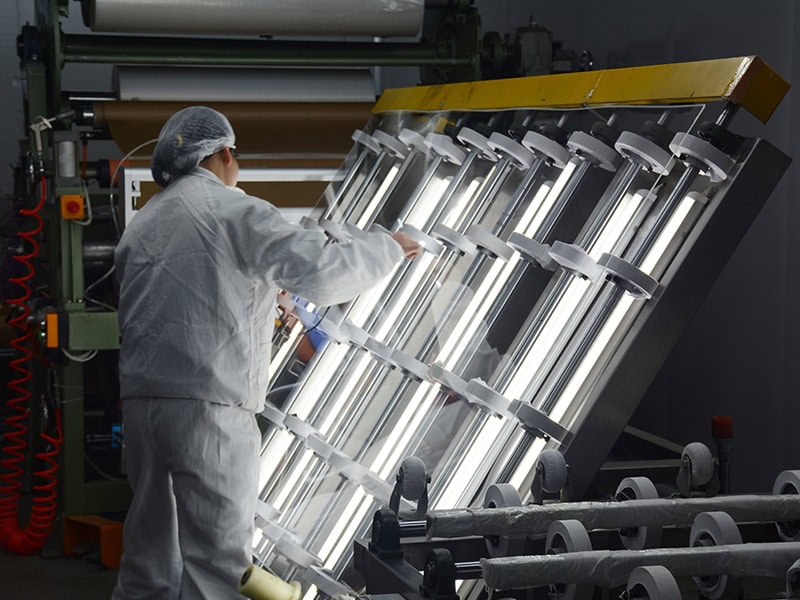
A trustworthy manufacturer provides a clear and itemized pricing structure, detailing every cost component –
- Material Costs: Type, grade, and source of raw materials.
- Labor Charges: Breakdown by process (assembly, finishing, inspection).
- Tooling Fees: One-time setup costs for molds, dies, or jigs.
- Shipping and Logistics: Freight charges, packaging, customs duties (if applicable).
- Additional Charges: Rush fees, design revisions, and compliance testing.
78% of buyers prefer suppliers who offer transparent, itemized quotes over bundled pricing, citing better budgeting and fewer disputes. Transparent pricing reduces ambiguity, improves budgeting accuracy, and fosters long-term trust.
Bulk Discounts and Flexibility: Scaling with Strategy
Manufacturers who offer pricing flexibility, especially for bulk orders or long-term contracts, signal a willingness to grow with your business.
- Bulk Discounts: Tiered pricing based on volume thresholds (5%, 10%, or 15% off for 1000+ units).
- Contractual Incentives: Lower rates for multi-year partnerships or recurring orders.
- MOQ Negotiation: Willingness to adjust minimum order quantities for startups or pilot runs.
Companies leveraging volume-based pricing saved an average of 18% on procurement costs annually. Flexible pricing structures support scalability, improve cash flow, and strengthen supplier relationships.
Responsive Communication: Clarity Prevents Costly Missteps
Clear, timely communication is the backbone of effective project management. Manufacturers who maintain open lines of dialogue, from RFQ to final delivery, help prevent misunderstandings, delays, and costly rework.
Miscommunication about specs, timelines, or revisions can lead to defective batches or missed deadlines. Real-time updates allow for agile decision-making, especially when market conditions or design requirements shift.
- Dedicated account managers or project liaisons.
- Multichannel access (email, phone, project dashboards).
- Response time benchmarks (<24 hours for inquiries).
86% of B2B buyers consider responsiveness a top factor in supplier satisfaction, especially during the prototyping and revision phases. Responsive communication builds trust, reduces risk, and keeps your project aligned with evolving needs.
Customer Service and Support: Beyond the Purchase
Manufacturing doesn’t end at delivery. Issues can arise during production, transit, or post-installation. A manufacturer’s after-sales support is critical for troubleshooting, warranty claims, and continuous improvement. Support services to expect –
- Technical assistance for installation or integration.
- Warranty coverage and defect resolution protocols.
- Spare parts availability and reordering systems.
- Feedback loops for quality improvement.
72% of buyers are more likely to renew contracts with manufacturers who offer proactive post-sale support and issue resolution. Strong customer service ensures continuity, protects your investment, and fosters long-term loyalty.
Project Management Team: Acrylic Sheets for Management
For large-scale or customized projects, a manufacturer’s ability to assign a dedicated project management team can be a game-changer. Benefits of dedicated oversight –
- Centralized coordination across design, production, QA, and logistics.
- Faster issue resolution and milestone tracking.
- Better alignment with client-side teams and third-party vendors.
What to Look For?
- Named project manager with direct contact.
- Weekly progress reports and Gantt charts.
- Escalation protocols for delays or design changes.
Projects with dedicated oversight are 28% more likely to meet deadlines and 35% more likely to stay within budget. A dedicated project team ensures accountability, transparency, and strategic alignment from concept to completion.

Proximity to Your Business: Local Advantage, Strategic Agility
Working with local manufacturers offers tangible benefits, especially for startups, seasonal retail planners, and teams managing tight timelines.
- Reduced Shipping Costs: Local acrylic sourcing minimizes freight charges, fuel surcharges, and packaging costs. For example, domestic trucking is significantly cheaper than air freight from China or Europe.
- Faster Delivery: Shorter transit times mean quicker turnaround, enabling agile inventory management and faster market response.
- Ease of Communication: Shared time zones, language, and cultural context improve collaboration, reduce miscommunication, and streamline approvals.
64% of US buyers preferred domestic suppliers for improved lead times and reduced freight complexity. Local manufacturing enhances speed, control, and communication, ideal for projects requiring rapid iteration or regional compliance.
Global Manufacturing Capabilities: Scaling Across Borders
For large-scale or international projects, manufacturers with a global footprint offer scalability, cost optimization, and access to specialized capabilities.
- Global Reach: Manufacturers with facilities in multiple countries can balance cost, capacity, and proximity to end markets.
- Cross-Border Logistics Expertise: They manage customs, duties, and international compliance—critical for electronics, pharmaceuticals, and industrial goods.
- Risk Diversification: Global suppliers can shift production between regions during disruptions (natural disasters, political unrest, or pandemics).
Companies with globally distributed manufacturing networks were 33% more resilient during the COVID-19 supply chain crisis. Global manufacturers offer reach and redundancy—ideal for scaling, international distribution, and risk mitigation.
Transportation and Freight Considerations: Cost, Compliance, and Time
Logistics revolves around moving goods and managing complexity. Whether local or global, freight decisions impact cost, delivery reliability, and regulatory compliance.
- Shipping Costs: Compare air, sea, and land freight options. Sea freight is cost-effective for bulk orders but slower; air freight offers speed at a premium.
- Customs and Duties: Understand import/export regulations, HS codes, and tariff structures. Misclassification or incomplete documentation can cause delays or fines.
Transit Timeframes –
- Local Trucking: 1 – 3 days
- Regional Sea Freight: 10 – 20 days
- International Air Freight: 3 – 7 days
70% of supply chain delays stem from poor freight planning and customs mismanagement—not production issues. Evaluate freight options, customs expertise, and transit reliability to avoid hidden costs and delivery disruptions.
Conclusion
Finding, evaluating, and selecting the right manufacturer is a move that can shape the success of your project from concept to completion. Key factors discussed right above act like the essential pillars of a reliable manufacturing partnership.
Choose JUMEI as the Ultimate Acrylic Sheet Manufacturer
Not many manufacturers can initiate and/or maintain a balance between all the factors. That’s where Jumei Acrylic shines bright with the best minds, technology, and commitment. Contact us to know how our acrylic service guarantees satisfaction.
]]>