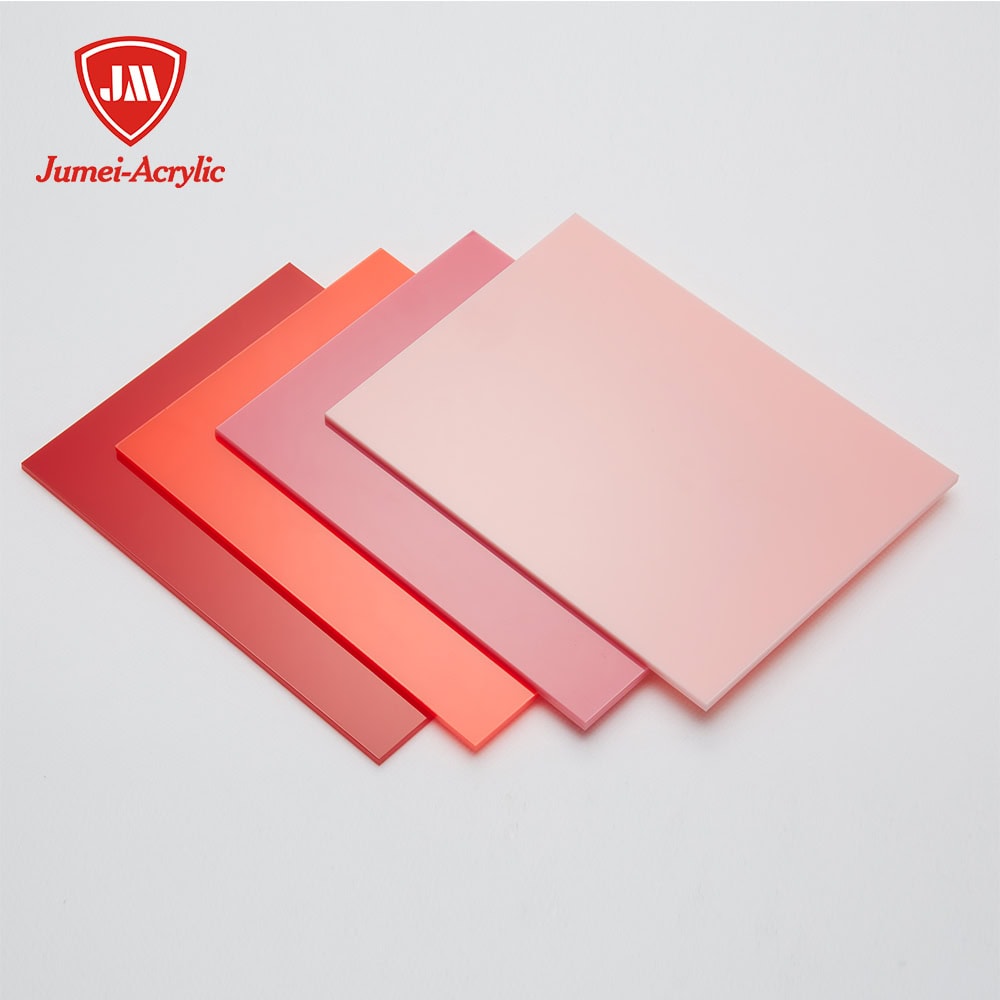
Importing acrylic sheets from China can help distributors, signage manufacturers, fabricators and project contractors access a wider range of PMMA sheets at competitive factory-direct prices. However, a successful order depends on much more than finding the lowest quotation.
Buyers must confirm the acrylic type, raw material, thickness tolerance, dimensions, color, protective film, quality standards, packaging, delivery terms and inspection method before production begins. If these details are unclear, two quotations that appear similar may represent very different products and total costs.
Quick Answer: How Do You Import Acrylic Sheets from China?
To import acrylic sheets from China successfully, follow these eight steps:
- Define the application and technical specifications.
- Choose between cast and extruded acrylic.
- Identify and verify potential manufacturers.
- Request samples and technical documents.
- Compare quotations using the same specifications.
- Confirm quality standards and inspection methods.
- Approve packaging, shipping terms and documentation.
- Inspect the goods before shipment and track supplier performance.
The safest purchasing decision is based on total landed cost and production reliability—not sheet price alone.
1. Define the Application Before Requesting a Quote
The first question should not be “What is your price per sheet?” It should be “Which acrylic sheet is suitable for my application?”
Acrylic sheets used for laser-cut retail displays may require different properties from sheets used for outdoor signs, bathtub manufacturing or aquarium windows. Sending only a thickness and size can lead to an inaccurate quotation or the wrong material recommendation.
Before contacting a supplier, prepare the following information:
| Purchasing Requirement | Information to Provide |
|---|---|
| Application | Signage, display, lighting, furniture, sanitary ware, aquarium or construction |
| Acrylic type | Cast, extruded, mirror, sanitary-grade or specialty acrylic |
| Color | Clear, opal, transparent color, opaque color, mirror, matte or custom color |
| Thickness | Nominal thickness and acceptable tolerance |
| Sheet size | Standard or customized dimensions |
| Quantity | Sheets, pallets, tons or container quantity |
| Processing | Laser cutting, CNC machining, printing, polishing, bending or thermoforming |
| Outdoor use | Expected climate and service conditions |
| Surface protection | PE film, paper masking or customized protective film |
| Certification | Required standards for the destination market |
| Delivery destination | Port, city and country |
| Trade term | EXW, FOB, CIF or another agreed Incoterm |
A complete request for quotation helps the manufacturer recommend the right material and reduces the risk of specification changes later.
2. Choose Between Cast and Extruded Acrylic Sheets
Cast and extruded acrylic are both PMMA materials, but their manufacturing processes give them different processing and performance characteristics.
Cast Acrylic Sheet
Cast acrylic is generally selected when buyers require excellent optical appearance, a broad selection of colors, thicker sheets or demanding fabrication performance. It is widely used for premium displays, signage, furniture, architectural features, aquariums and custom projects.
Jumei provides clear cast acrylic sheets made from virgin material for applications requiring clarity, durability and customization.
Extruded Acrylic Sheet
Extruded acrylic is manufactured through a continuous production process. It typically provides more consistent sheet thickness and cost efficiency for high-volume production. It is commonly used for signage, displays, protective barriers, lighting and general fabrication.
Jumei’s clear extruded acrylic sheets provide up to 92% light transmission and consistent thickness for cutting, routing, bending and thermoforming.
Quick Selection Table
| Buyer Requirement | Recommended Option |
| Consistent thickness for volume production | Extruded acrylic |
| Cost-sensitive signage and display production | Extruded acrylic |
| Broad color and surface selection | Cast acrylic |
| Premium optical appearance | Cast acrylic |
| Very thick transparent panels | Thick cast acrylic |
| Bathtubs and shower trays | Sanitary acrylic or acrylic/ABS sheet |
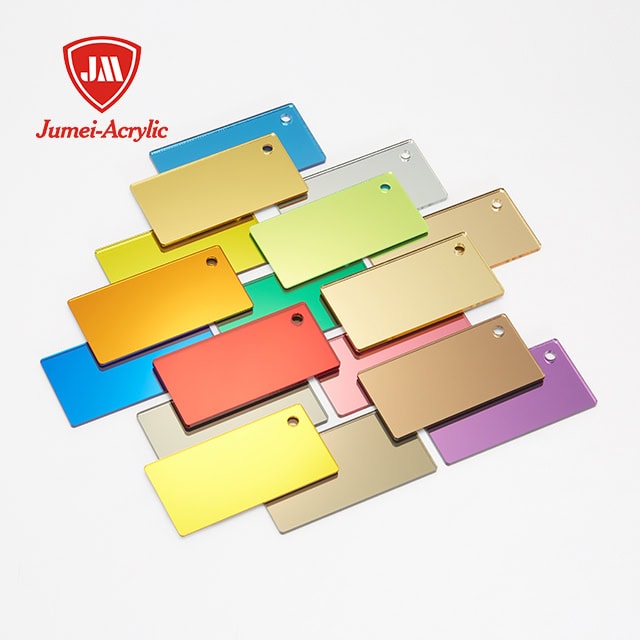
| Lightweight decorative mirrors | Mirror acrylic |
| Aquarium or swimming-pool windows | Engineered thick acrylic |
The final choice should consider processing method, installation conditions and project design—not only the initial material price.
3. Verify Whether the Supplier Is a Manufacturer
A professional trading company can provide useful sourcing services, but buyers looking for long-term product consistency should understand who actually manufactures the sheets.
Ask the supplier to provide:
- Registered company information
- Factory address
- Production-line photos and videos
- Live video inspection
- Product catalog and technical data
- Quality-management certificates
- Recent test reports
- Production capacity
- Main export markets
- Quality-control procedures
- Packaging and container-loading records
During a video inspection, request a real-time view of raw-material storage, production, thickness measurement, surface inspection, protective-film application, warehouse storage and packaging. A pre-recorded promotional video alone does not fully verify current production capability.
Jumei Acrylic Manufacturing Co., Ltd. specializes in the research, production and supply of cast and extruded acrylic sheets. Its current company profile presents a 50,000-square-meter facility with an annual production capacity of 30,000 tons. Buyers can learn more on the Jumei Acrylic company page.
4. Request and Test Samples Before a Bulk Order
A sample helps buyers evaluate optical appearance, color, surface quality and fabrication performance. However, the sample should match the material proposed for bulk production.
Ask the supplier to label every sample with:
- Product type
- Raw-material grade
- Color code
- Nominal thickness
- Actual measured thickness
- Surface finish
- Production batch
- Protective-film type
Depending on the application, buyers may test:
Visual and Dimensional Checks
- Transparency and haze
- Color consistency
- Surface scratches or contamination
- Sheet flatness
- Thickness at multiple points
- Edge condition
- Protective-film adhesion
Fabrication Checks
- Laser-cut edge quality
- CNC machining performance
- Polishing result
- Printing adhesion
- Bending behavior
- Thermoforming performance
- Odor or residue during processing
Outdoor and Technical Checks
- UV resistance
- Yellowing performance
- Impact resistance
- Chemical resistance
- Water absorption
- Compliance with required standards
A successful sample test reduces risk, but it does not replace pre-shipment inspection. The bulk order must be produced according to the same approved specifications.
5. Compare Acrylic Sheet Quotations Correctly
A low sheet price does not always produce the lowest total purchasing cost. Quotations must be compared using identical specifications and trade terms.
Confirm that every quotation includes:
- Acrylic type
- Virgin, recycled or blended raw material
- Exact color
- Nominal thickness
- Thickness tolerance
- Sheet dimensions
- Quantity and unit
- Net and gross weight
- Protective-film specification
- Packaging method
- Production lead time
- Trade term
- Port of loading
- Payment terms
- Quotation validity
- Certification or testing costs
- Sample and customization charges
Why Two Similar Quotations May Have Different Prices
Price differences may come from:
- Raw-material grade
- Actual sheet thickness
- Thickness tolerance
- Sheet weight
- Color formulation
- UV or specialty additives
- Protective film
- Surface quality
- Inspection standards
- Packaging strength
- Order quantity
- Customized sizes
- Freight and trade terms
For example, two sheets may both be described as “3 mm acrylic,” but their actual thickness range, raw-material content and weight may differ. A lower-priced sheet can create higher processing waste, color inconsistency or customer complaints.
6. Calculate the Total Landed Cost
The factory price is only one part of the actual import cost.
A simplified landed-cost calculation is:
Total Landed Cost = Product Cost + Export Packaging + Inland Transport + Export Charges + Ocean or Air Freight + Insurance + Import Duty + Local Tax + Customs Clearance + Destination Charges + Final Delivery
Buyers should also consider hidden operating costs:
- Damaged sheets
- Incorrect dimensions
- Thickness variation
- Production downtime
- Low cutting yield
- Color differences between batches
- Customer returns
- Replacement shipments
- Excess inventory caused by unsuitable specifications
A slightly higher factory price may deliver a lower total cost if the product provides stable quality, better yield and fewer claims.
Import duties, taxes and required documentation vary by destination and product configuration. Buyers should confirm the applicable customs classification and local import requirements with a qualified customs broker before shipment.
7. Establish Clear Quality Standards
Terms such as “high quality” and “premium acrylic” are too general for a purchase contract. Quality requirements should be measurable.
Your purchase specification may include:
- Approved raw material
- Product type and color code
- Nominal thickness
- Permitted thickness tolerance
- Sheet dimensions and dimensional tolerance
- Light-transmission requirement
- Surface-defect limits
- Flatness requirements
- Protective-film type
- Packaging standard
- Quantity tolerance
- Batch-identification method
- Inspection procedure
- Remedy for nonconforming goods
Recommended Inspection Points
Raw Material Inspection
Confirm the material grade, supplier information and batch identification.
In-Process Inspection
Measure thickness, dimensions, color and surface condition during production rather than waiting until the order is complete.
Final Inspection
Randomly check finished sheets for quantity, dimensions, thickness, color, clarity, surface defects, protective film and packaging.
Loading Inspection
Confirm pallet condition, package labels, container cleanliness, loading quantity and cargo securing before the container is sealed.
Photos, videos and inspection records should be linked to the order or production batch for traceability.
8. Select the Right Export Packaging
Acrylic sheets can be damaged by scratches, impact, moisture, poor stacking or movement inside the container. Export packaging therefore affects the real value of the shipment.
Common protection methods include:
- PE protective film
- Paper masking
- Protective sheets on the top and bottom
- Reinforced wooden pallets
- Corner and edge protection
- Waterproof wrapping
- Strapping
- Clear pallet labels
- Secure container loading
Before confirming an order, ask:
- Is the protective film suitable for the destination climate?
- Will the film remain easy to remove after transportation and storage?
- Are the pallets suitable for forklift handling?
- How many sheets are packed on each pallet?
- Is fumigation or another wood-packaging treatment required?
- How are mixed sizes and colors identified?
- How is movement inside the container prevented?
For buyers ordering multiple colors, thicknesses or sizes, clear labels and a detailed packing list can significantly reduce warehouse errors.
9. Confirm Shipping Terms and Documents
The selected trade term determines which costs and responsibilities belong to the supplier and which belong to the buyer.
Common terms include:
- EXW: The buyer manages transportation from the factory.
- FOB: The supplier delivers the goods on board at the agreed port of shipment.
- CIF: The supplier arranges ocean freight and insurance to the named destination port, subject to the agreed contract terms.
The lowest freight quotation is not automatically the lowest destination cost. Buyers should request estimated destination charges from their own forwarder or customs broker before selecting a shipping option.
Typical shipping documents may include:
- Commercial invoice
- Packing list
- Bill of lading
- Certificate of origin, when required
- Insurance document, when applicable
- Product test reports or certificates
- Other destination-specific documents
Document requirements vary by country. Confirm them before production to avoid delays after the cargo reaches the destination port.
10. Start With a Controlled Trial Order
A sample shows material performance, but a trial order tests the complete supply process.
A controlled first order allows the buyer to evaluate:
- Specification accuracy
- Production consistency
- Communication speed
- Documentation
- Packaging quality
- Delivery performance
- Claim handling
- Fabrication yield
- Customer response
Record the results in a supplier scorecard. After several successful orders, purchasing volume can be increased with greater confidence.
Acrylic Sheet Import Checklist
Use this checklist before approving a bulk order:
Product
- Application confirmed
- Cast or extruded acrylic confirmed
- Raw-material requirement confirmed
- Thickness and tolerance confirmed
- Size and dimensional tolerance confirmed
- Color code and finish approved
- Protective film approved
- Sample tested
Supplier
- Company identity verified
- Factory capability verified
- Certifications reviewed
- Quality-control process reviewed
- Production capacity confirmed
- Export experience checked
Commercial Terms
- Quantity and unit confirmed
- Trade term confirmed
- Payment terms confirmed
- Lead time confirmed
- Quotation validity confirmed
- Total landed cost estimated
Quality and Shipping
- Inspection standard written into the order
- Packaging method approved
- Pallet labels approved
- Required documents confirmed
- Pre-shipment inspection completed
- Container loading recorded
Why Work With Jumei Acrylic?
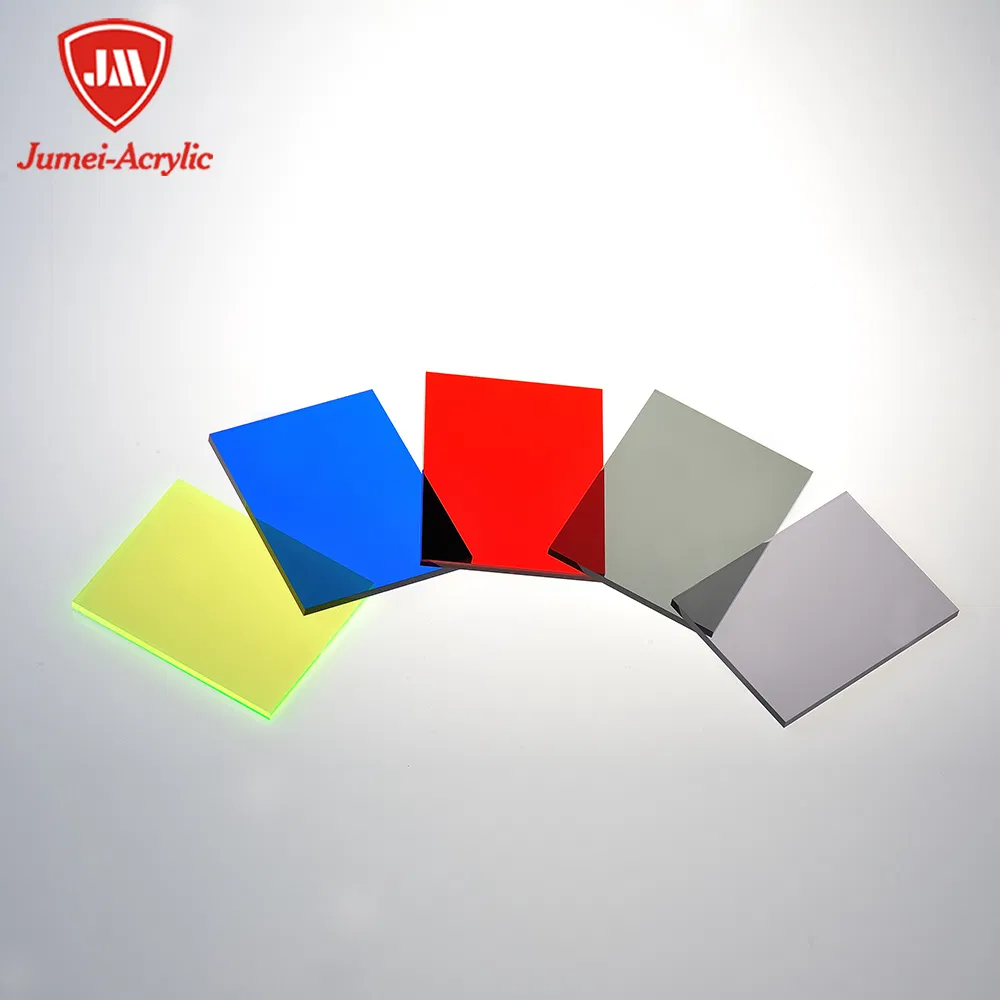
Jumei Acrylic is a China-based manufacturer specializing in cast and extruded acrylic sheets for international B2B buyers. Its product range includes clear, colored, mirror, sanitary, decorative and thick acrylic sheets for signage, display, furniture, sanitary ware, architecture, aquariums and other applications.
Jumei supports buyers with:
- Cast and extruded acrylic sheet production
- Virgin PMMA material options
- Standard and customized sizes
- Clear, colored and specialty finishes
- Sample evaluation
- Technical product selection
- Export packaging
- Quality inspection
- International shipping support
For thick-panel projects, the required acrylic thickness and structural design should always be evaluated by a qualified project engineer.
Frequently Asked Questions
Is it cost-effective to import acrylic sheets from China?
It can be cost-effective for distributors, manufacturers and project buyers purchasing commercial quantities. The result depends on product specifications, order volume, freight, import charges, processing yield and quality consistency. Buyers should compare total landed cost rather than factory price alone.
What information is needed to receive an accurate quotation?
Provide the acrylic type, color, thickness, tolerance, sheet size, quantity, application, processing method, protective-film requirement, destination and preferred trade term. Photos, drawings or an existing sample can improve quotation accuracy.
Should I buy cast or extruded acrylic?
Choose extruded acrylic when consistent thickness and high-volume cost efficiency are priorities. Choose cast acrylic when the project requires premium optical appearance, broader customization, demanding fabrication or very thick panels.
How can I verify acrylic sheet quality before shipment?
Approve a reference sample, define measurable standards, request in-process inspection records and conduct a final random inspection. Check thickness, dimensions, color, surface condition, clarity, protective film, packaging and quantity.
Can acrylic sheets be customized?
Yes. Depending on production requirements, manufacturers may offer customized dimensions, thicknesses, colors, finishes, masking films, cutting and packaging. Confirm the minimum order quantity and development time for each customization.
How should acrylic sheets be packed for ocean transport?
Sheets should have suitable surface protection and be stacked on reinforced export pallets with edge protection, waterproof wrapping, secure strapping and clear labels. The loading plan should prevent packages from shifting during transportation.
What is the biggest risk when importing acrylic sheets?
The biggest risk is an unclear specification. If the purchase order does not define raw material, actual thickness, tolerance, color, surface standard, protective film and packaging, the buyer and supplier may interpret “the same product” differently.
Can I request an acrylic sheet sample before ordering?
Yes. A sample should be tested under the buyer’s actual cutting, printing, bending or thermoforming conditions. Make sure the bulk order specification matches the approved sample.
Get a Sample or Acrylic Sheet Quotation
A successful acrylic sheet order begins with a clear specification.
Send Jumei Acrylic the following information:
- Product application
- Acrylic type
- Thickness and sheet size
- Color or finish
- Required quantity
- Processing method
- Destination country or port
Our team will help you select a suitable acrylic sheet, review customization requirements and prepare a quotation for your project.
Contact Jumei Acrylic to request a sample, product catalog or factory-direct quotation.