You can easily decide to choose acrylic over other materials. However, the problem arises with many distinctive types of acrylic sheets. Choosing the right one can feel overwhelming with so many options.
The key lies in understanding your application: Do you need weather resistance for outdoor projects? Extra toughness for heavy-duty use? Or perhaps a sleek, polished look for display pieces?
Let the practical guide break down the essentials, helping you navigate the choices with confidence. You’ll gain insights to select the perfect fit, knowing what to buy and why it’s the ultimate choice.
Types of Acrylic Sheets with Best Uses
Acrylic sheets come from PMMA, a thermoplastic referred to as “plastic crystal” due to its glass-like clarity. PMMA was first commercialized in the 1930s and is used globally across many industries.
Cast Acrylic Sheets
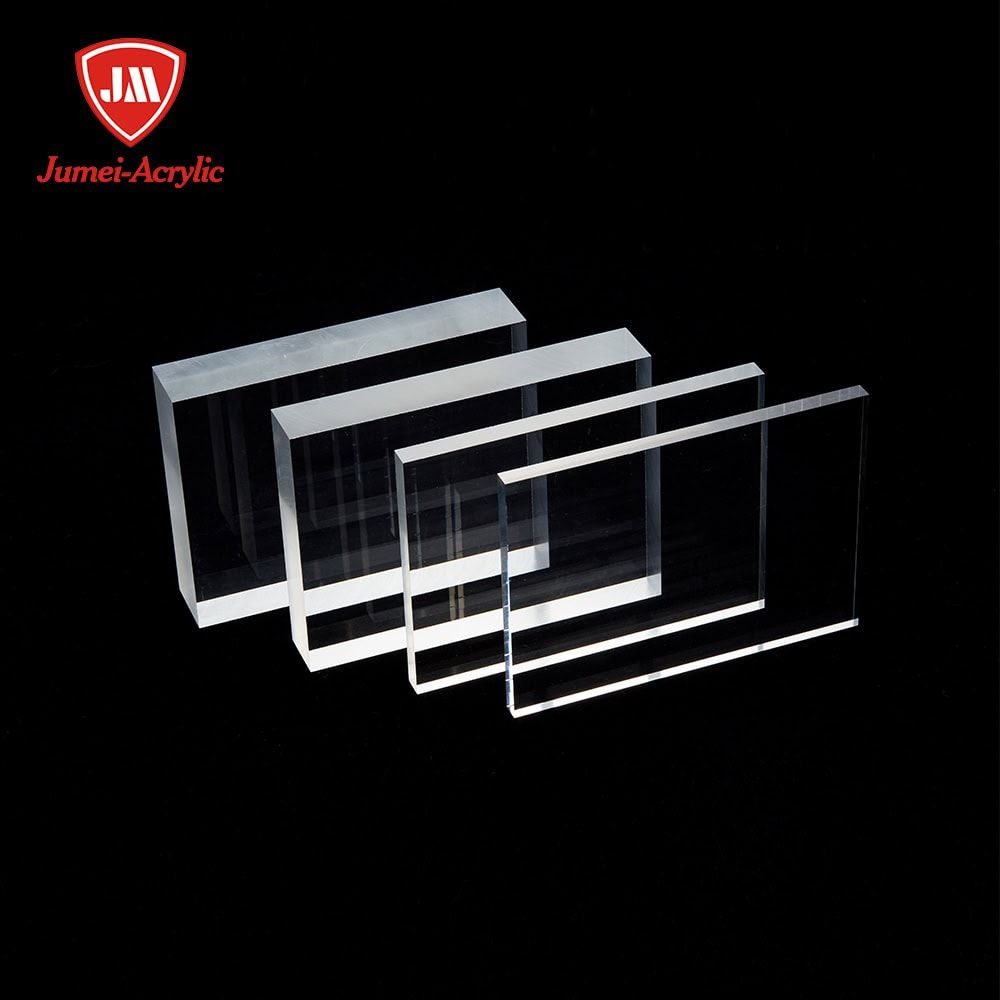
Higher Clarity with Consistent Thickness: Cast acrylic involves pouring liquid PMMA into molds. The resulting sheet transmits up to 92% of visible light, making it one of the clearest plastics.
Machining, Engraving, and Polishing: The molecular structure is less prone to melting during machining. It can be laser-cut, engraved, and polished to achieve glass-like finishes. Applications –
- Signage: Premium indoor and outdoor signs where clarity and durability are mandatory.
- Aquariums: Large public aquariums use cast acrylic instead of glass because it’s lighter, clearer, and can withstand water pressure.
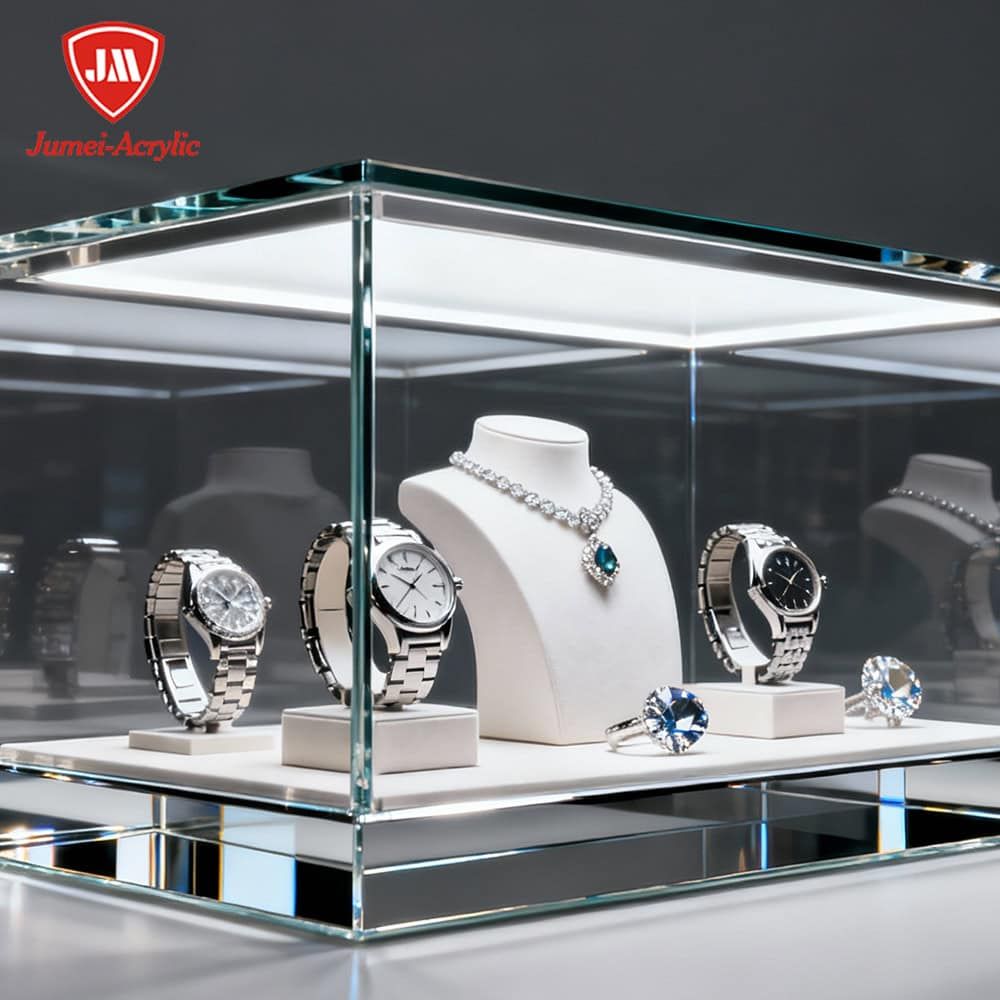
- Display Cases: Museums and luxury retail stores prefer cast acrylic for its optical purity.
Extruded Acrylic Sheets
Lower Cost + Uniform Thickness: Extruded acrylic comes from pushing PMMA pellets through extrusion machines. The process is more economical as sheets come with highly uniform thickness.
Easier Thermoforming: Extruded acrylic softens evenly when heated, allowing easy bending and shaping. It’s particularly beneficial in mass production involving speed and efficiency. Applications –
- Mass Production: Widely used in advertising boards, skylights, and protective barriers.
- General-Purpose Projects: Ideal for DIY applications, furniture, and partitions.
Despite being cheaper, extruded acrylic has slightly lower optical clarity. The material is also more prone to stress cracking compared to cast acrylic.
Special-Purpose Quality Acrylic Sheets
Acrylic sheets are marketed as free from defects, but reliability depends on the standards. Compare quality acrylic sheets across multiple manufacturers to ensure consistent performance and value.
01. UV-Resistant Acrylic
The acrylic gets designed with additives that block harmful UV rays. It prevents yellowing and maintains clarity for 10–15 years outdoors.
Applications: Outdoor signage, greenhouse panels, and architectural glazing.
02. Impact-Modified Acrylic
The properties get enhanced with rubber-like additives to improve toughness. It offers 5–10 times more impact resistance than standard acrylic.
Applications: Safety barriers, machine guards, and automotive parts.
03. Anti-Glare, Anti-Scratch, and Anti-Static Sheets
- Anti-Glare: Display screens, exhibition panels, and protective covers.
- Anti-Scratch: Coated to resist abrasions, extending lifespan in high-contact environments.
- Anti-Static: No dust accumulation in electronics and cleanroom applications.
04. Recycled and Eco-Friendly Acrylic Options
It gets made from reclaimed PMMA, reducing environmental impact. The type holds a growing demand in Europe and North America due to sustainability regulations.
Applications: Eco-conscious projects, sustainable packaging, and green building materials.
Key Factors to Consider for the Right Acrylic Sheet
When you shop, always check dimensions carefully. Incorrect sizing can cause trouble, and the difference between good and poor service becomes clear. Reliable suppliers skip this with precision cutting.
a. Intended Application Environment
- Indoor or Outdoor: Indoor uses (furniture, partitions, and retail displays) can stick to standard acrylic sheets. Outdoor applications (signage, skylights, and greenhouses) require UV resistance to prevent yellowing and loss of clarity.
- Sunlight, Heat, Moisture, and Chemicals: Acrylic withstands up to 80–90°C before deforming. It resists moisture, making it suitable for aquariums and bathroom fixtures. Chemical resistance is moderate as acrylic can be damaged by solvents like acetone.
b. Thickness and Load Requirements
- Structural Support: Thickness determines strength. For example, 6–10 mm sheets are common for signage, while 20–30 mm sheets are for aquariums. Acrylic is half the weight of glass, reducing structural load requirements.
- Bending and Span: Acrylic sheets can bend under load if spans are too wide. For horizontal (shelving), increase thickness proportionally to span length. Use support frames or ribs for thinner sheets in load-bearing applications.
c. Optical Requirements
- Clear, Tinted, Frosted, or Colored: Clear acrylic holds 92% transmission. Tinted and frosted sheets reduce glare and add privacy. Colored sheets are popular in retail branding and architectural design.
- Light Transmission Levels: Frosted acrylic transmits 70% – 80% of light, balancing illumination with privacy. Tinted sheets can block up to 50% of UV rays, quite useful for sun-exposed applications.
d. Surface Finish
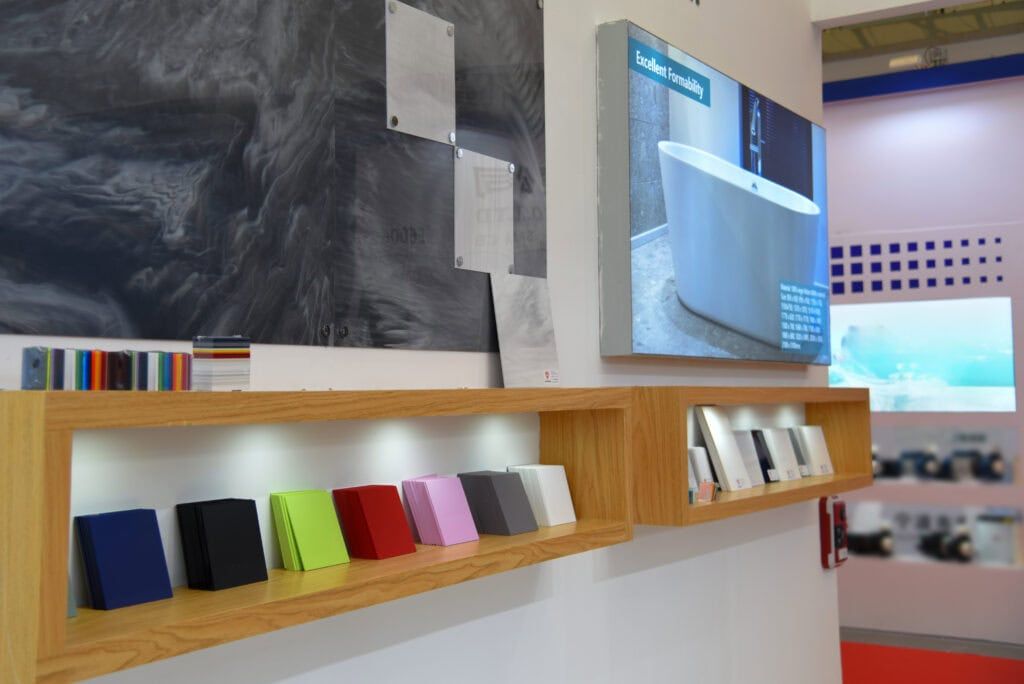
- Glossy, Matte, Textured, or Mirrored Finishes: Glossy sheets push aesthetics in displays and signage. Matte and textured finishes reduce glare. Mirrored acrylic is a lightweight alternative to glass mirrors in gyms, dance studios, and retail.
- Aesthetic vs Functional Considerations: Glossy gives a premium look; prone to scratches. Matte or textured seems functional with lowered reflections. Mirrored ones are stylish; they require careful handling to avoid potential distortion.
e. Durability and Impact Resistance
- Foot Traffic, Vibration, and Mechanical Stress: Acrylic is 10× stronger than glass, but less impact-resistant than polycarbonate (PC). However, impact-modified acrylics with enhanced toughness suit safety barriers and machine guards.
- Safety Considerations: Acrylic breaks into large and blunt pieces instead of sharp shards, reducing injury risk. Polycarbonate is 250× stronger than glass; however, acrylic sheets can retain superior optical clarity and UV resistance.
f. Fire Performance and Safety Standards
- Flame-Retardant Acrylic Options: Standard acrylic is combustible, though flame-retardant grades are also available. Such sheets meet UL 94 standards (a global benchmark for flammability).
- Compliance with Building Codes: In Europe, acrylic in construction must comply with EN 13501. In the US, flame-retardant acrylic is often required for public buildings and transportation systems.
Choosing Acrylic Sheets by Application
To prevent damage during installation, get the right equipment. Thin sheets are limited in load-bearing capacity for windows or partitions; proper handling and protective film during shipping saves money.
01. Signage and Advertising
Indoor signs are enough with 3–5 mm extruded acrylic. Outdoor signs require 5–10 mm cast acrylic for durability. Glossy finishes enhance brand visibility, while matte finishes reduce glare in brightly lit areas. UV-stabilized acrylic prevents yellowing in outdoor ones for 10–15 years.
02. Light Diffusion for Illuminated Signs
Frosted or opal acrylic sheets can effectively diffuse the LED light evenly. And it helps the entire system to avoid hotspots. Opal acrylic usually transmits 30–70% of light, balancing brightness with diffusion.
03. Decorative Panels, Partitions, Skylights
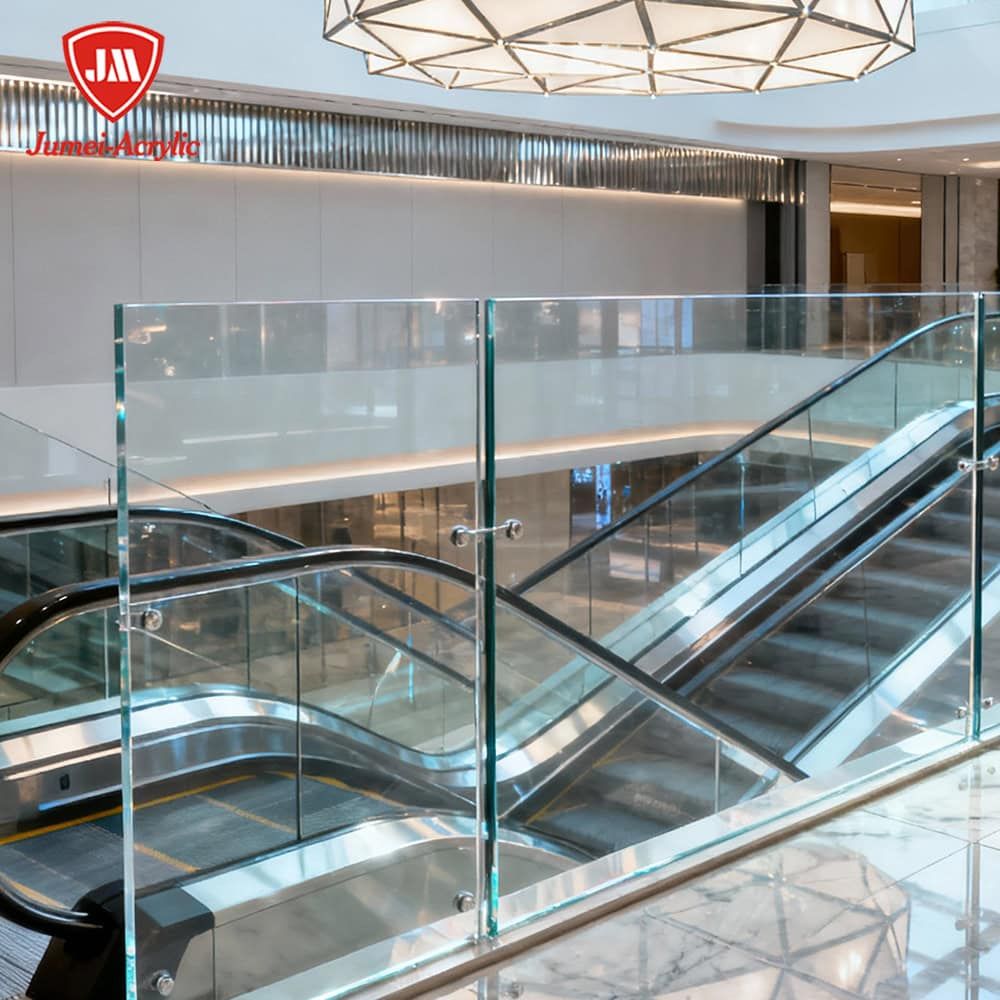
Always choose clear acrylic for skylights (high light transmission). Frosted or colored acrylic is a better choice for partitions and decorative panels. A 6–12 mm thickness should suffice based on span and load.
04. Scratch Resistance and Aesthetics
Anti-scratch coated acrylic is always recommended for high-contact areas (office spaces). Mirrored acrylic introduces modern aesthetics in interiors while requiring careful installation against distortion.
05. High-Gloss vs Matte Sheets
High-gloss acrylic sheets embrace a unique, sleek, and modern look while showing fingerprints easily. Conversely, matte acrylic resists smudges, which gets preferred for its minimalist designs.
06. Resistance to Fingerprints and Scratches
Anti-fingerprint coatings are receiving increasing popularity across modern kitchen cabinetry. Also, scratch-resistant acrylic panels can extend the overall lifespan of high-use furniture.
07. Retail Displays and Exhibitions
Extruded acrylic is considered ideal for retail displays due to cost-effectiveness and ease of cutting. You’ll need a thickness of 3–6 mm for shelves, stands, and product holders.
08. Visual Impact Considerations
Clear acrylic sheets, understandably, maximize product visibility. Meanwhile, colored or frosted acrylic adds branding appeal. A balance of thickness and contrast is mandatory for instant impression.
09. Chemical Resistance
Acrylic can resist dilute acids and alkalis to some extent. But the material is no good against solvents like acetone. For chemical-heavy environments, specialized grades are recommended.
10. Impact-Modified Acrylic for Safety Covers
Such modifications can incorporate 5–10 times more impact resistance than standard acrylic. You can use the acrylic for machine guards, safety barriers, and protective shields.
11. DIY and Hobby Projects
Cost-effective extruded sheets are widely available in hardware stores. A thickness of 2–4 mm is enough for most craft projects, signage, and small furniture.
12. Easy Cutting and Shaping Tips
Standard acrylic sheets can be cut with a fine-tooth saw or scored and snapped for thinner sheets. Not to mention, heat-bending allows creative shapes for hobbyists.
Acrylic sheets can be used to print graphics, build custom signage, or replace plexiglass. Working with trusted manufacturers and suppliers ensures you’re purchasing reliable products for project needs.

Fabrication, Processing, and Installation Tips
Suppliers often provide standard sizes, but you can request custom dimensions. Frosted panels for windows or clear sheets for signage, different types available, help you create the right effect.
Cutting and Machining
- Laser Cutting vs CNC Routing: Laser cutting provides smooth + polished edges in intricate designs (signage, decorative panels, and retail displays). CNC Routing is better for thicker sheets (>20 mm) in large-scale projects that produce clean cuts with post-polishing.
- Avoiding Cracks and Melting: Implement sharp tools and moderate feed rates to prevent stress cracks. Avoid excessive heat buildup, as overheating can cause melting and rough edges. Always leave protective film on during cutting to reduce scratches and/or heat marks.
Thermoforming and Bending
- Cast vs Extruded Acrylic: Cast acrylic is more resistant to heat distortion in complex thermoforming. It maintains optical clarity after bending. Softer extruded acrylic is easier to bend, but it’s more prone to stress whitening and warping.
- Temperature Control: Acrylic softens at 150–160°C. Get infrared heaters or ovens over open flames for uniform heating. Cooling should be gradual to avoid internal stresses. For tight bends, use strip heaters to localize heat for clean angles.
Drilling, Bonding, and Fastening
- Proper Hole Sizing: Drill holes slightly larger than the fastener diameter for thermal expansion. Use slow speeds and sharp drill bits to avoid cracking. Acrylics can expand at 0.07 mm per meter per °C.
- Adhesives vs Mechanical Fasteners: Solvent-based adhesives chemically bond acrylic surfaces in display cases, aquariums, and furniture. Screws, bolts, and rivets are suitable for structural applications.
Cleaning and Maintenance
- Approved Cleaners: Always use mild soap solutions or specialized acrylic cleaners. Avoid ammonia-based cleaners (like standard glass cleaners), which can cause crazing (fine cracks).
- Preventing Scratches and Haze: Apply microfiber cloths for cleaning; never use abrasive pads. Anti-scratch coatings can extend lifespan in high-contact environments significantly.
Common Mistakes to Avoid
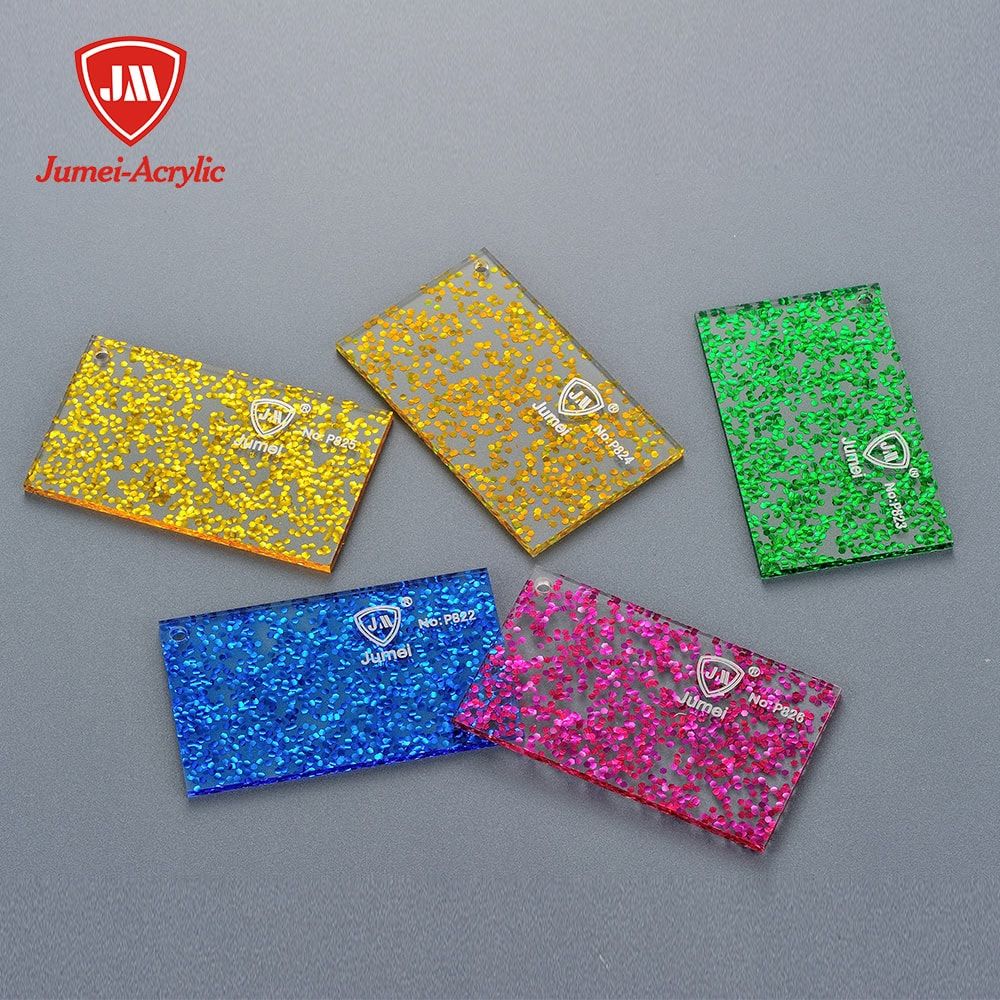
Acrylic is one of the most versatile materials for picture frames, museum displays, and home decor. Choosing frosted for privacy or decorative appeal ensures the same level of durability as clear sheets.
· Choosing the Wrong Type for Outdoor Use
Standard acrylic sheets can yellow, lose clarity, and become brittle under prolonged sunlight. UV-stabilized acrylic maintains transparency for 10–15 years outdoors, while untreated sheets may degrade within 3–5 years.
· Underestimating Thickness Requirements
Acrylic is strong but flexible. Using sheets that are too thin can result in sagging, cracking, or outright failure under load. A 6 mm sheet may suffice for small signage, but aquariums or load-bearing panels require 20–30 mm thickness.
· Ignoring Thermal Expansion
Acrylic sheets expand and contract with temperature changes at a rate of 0.07 mm per meter per °C. If installation does not allow for expansion, sheets can crack, warp, or push against fasteners.
· Selecting Based on Price Alone
Cheaper extruded acrylic may save money upfront, which can lead to higher maintenance and replacement costs. Cast acrylic, though more expensive, delivers superior clarity, durability, and resistance to weathering.
Selecting quality acrylic sheets requires buyers to consider shipping costs. Larger orders or larger sheets can vary significantly in delivery expenses, so factoring logistics early helps prevent budget surprises.
Frequently Asked Questions (FAQs)
1) How do I choose between cast and extruded acrylic sheets?
Cast acrylic offers higher optical clarity with machining, engraving, and premium displays. Extruded acrylic is more affordable with a uniform thickness + thermoformability in mass production.
2) What thickness of acrylic sheet should I use?
Thickness depends on load and span. 3–5 mm: Indoor signage, partitions, 6–10 mm: Outdoor signage, furniture, and 20–30 mm: Aquariums, structural panels.
3) Is acrylic better than glass for my project?
Yes, acrylic is 50% lighter and 10× stronger than glass, making it safer and easier to install. It also offers higher optical clarity and better UV resistance, though glass is more scratch-resistant.
4) What finishes are available for acrylic sheets?
Acrylic sheets come in glossy, matte, frosted, textured, mirrored, and colored finishes. Glossy enhances aesthetics, matte reduces glare, frosted provides privacy, and mirrored adds decorative appeal.
5) Can acrylic sheets be bent or thermoformed?
Yes, acrylic softens at 150–160°C and can be thermoformed into curves or shapes. Cast acrylic retains clarity better after bending, while extruded acrylic is easier to shape but more prone to stress whitening.
6) Are there eco-friendly acrylic sheet options?
Yes, recycled acrylic sheets are available from reclaimed PMMA. They reduce carbon footprint by up to 40% and retain 90–95% of performance properties in signage, furniture, and decorative projects.
7) How do I balance cost and quality when buying acrylic sheets?
Don’t choose based on price alone. While extruded acrylic is cheaper, cast acrylic offers better clarity. Consider lifecycle value as premium sheets reduce replacement frequency and save costs long-term.
Conclusion
Having the right acrylic sheet directly impacts durability, aesthetics, safety, and long-term value. The key factors, thickness, finishes, and sustainability, primarily control the decision. And the right sheet type and specification can transform your project from adequate to exceptional.
Find Your Ultimate Acrylic Sheet to Meet Project Needs at JUMEI
Only a few brands offer extensive options like Jumei Acrylic in the entire industry. Figure out your specifications and let our expertise take care of the rest. Contact us to consult our pioneering experts.