

Sustainability has become a decisive factor in the global marketplace, influencing consumer behavior and corporate strategy. Many high-end industries are preferring acrylic sheets as greener alternatives.
The material has emerged as a surprising frontrunner. Valued for durability and versatility, plexiglass is now being redefined by sustainable manufacturing practices that can reduce environmental impact.
Acrylic Sheets: An Overview
The industry values $5–7B globally, growing at 5% – 6% annually. The increase in demand comes from construction, retail, automotive, and healthcare. However, traditional production raises sustainability concerns due to high energy use, fossil-based feedstocks, and waste management challenges.
Polymethyl Methacrylate: What Are Acrylic Sheets?
Acrylic sheets are plastic panels made from polymethyl methacrylate (PMMA). PMMA is a transparent thermoplastic used as a lightweight or shatter-resistant alternative to glass. Key features –
- Clarity: Up to 92% light transmission, higher than standard glass (get up to 94% with Jumei).
- Durability: Strong impact resistance (17x more than glass), making it safer for public use.
- Weather Resistance: Resistant to UV radiation and moisture for outdoor signage, panels, etc.
Architects-designers are increasingly turning to certified recycled acrylic sheets for their next project. Unlike virgin acrylic or non-recycled acrylic, these panels help reduce greenhouse gas emissions.
Standard Applications of Acrylic Sheets
- Architecture and Construction: Windows, skylights, partitions, and facades due to lightness. Acrylic sheets are easier to fabricate and install compared to glass, reducing construction costs.
- Retail Displays and Signage: Popular in point-of-sale displays, illuminated signs, and protective barriers. During COVID-19, demand surged for acrylic sneeze guards in retail and hospitality.
- Automotive Components: Headlight lenses, interior panels, and sunroofs. Lightweight acrylic reduces vehicle weight, improving fuel efficiency. BMW and Toyota incorporate acrylic in headlamp covers.
- Healthcare Equipment: Acrylic sheets are used in incubators, dental equipment, and protective shields. MRI machine housings often choose acrylic installations for patient comfort and visibility.
Environmental Concerns with Traditional Production
- Energy Consumption: PMMA production is energy-intensive, requiring high-temperature polymerization. Global plastics manufacturing accounts for 6% of industrial energy use.
- Fossil-Derived Feedstocks: Acrylic sheets derive from petroleum monomers (methyl methacrylate). Reliance on fossil fuels raises concerns about carbon emissions and resource depletion.
- Waste and End-of-Life Issues: Acrylic is non-biodegradable, leading to landfill accumulation. Recycling is possible but limited; mechanical recycling often downgrades material quality.
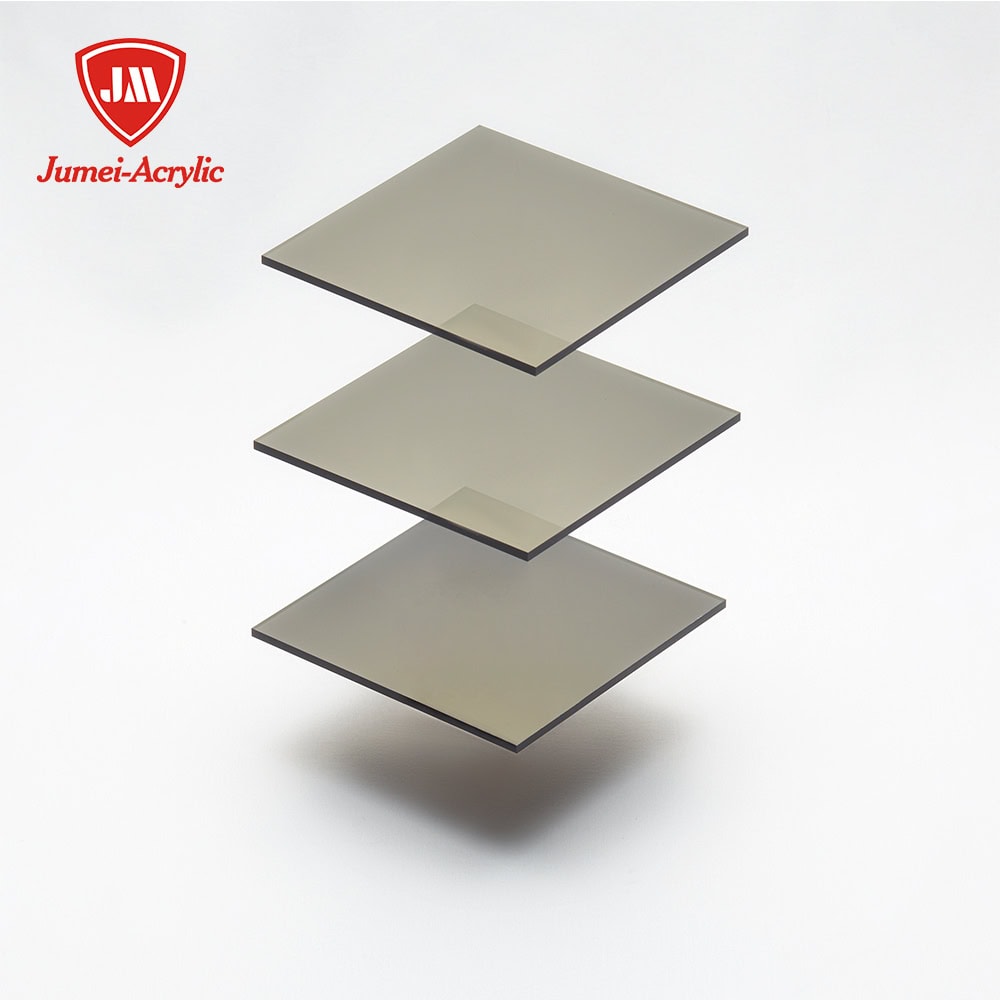
What Does “Sustainable” Mean in Acrylic Manufacturing?
Sustainability in manufacturing is rethinking how polymethyl methacrylate (PMMA) is produced. It has to reduce carbon emissions, use cleaner energy, recycle waste, and adopt bio-based inputs.
Eco-Friendly Manufacturing Practices
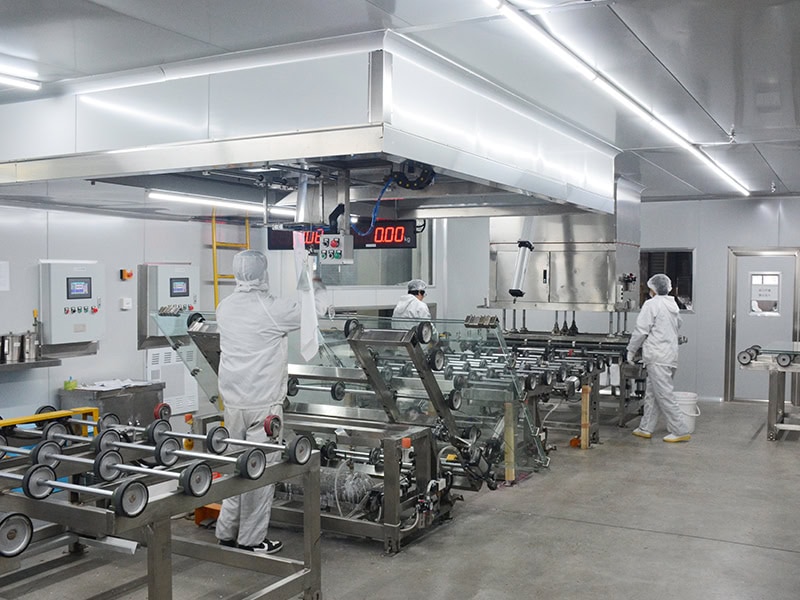
- Lower Carbon Emissions: Sustainable practices include switching to renewable energy sources (solar, wind) and optimizing polymerization processes.
- Energy Efficiency: Modern plants employ closed-loop cooling systems and automation to minimize energy waste. Japan’s acrylic industry has pioneered low-temperature polymerization.
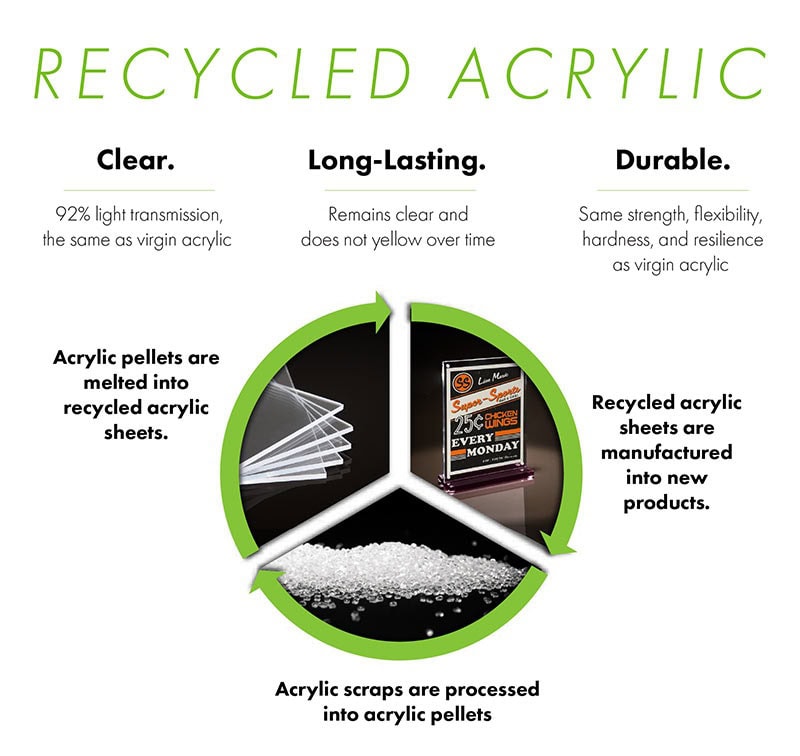
- Waste Reduction with Recycling: Non-biodegradable acrylic can undergo mechanical-chemical recycling. Chemical recycling allows the recovery of methyl methacrylate monomers.
- Recycled/Bio-Based Inputs: Bio-based PMMA derived from plant-based feedstocks is emerging. Buyers look for suppliers offering ≥30% recycled content in sheets.
Certifications and Standards
- ISO Environmental Standards: ISO 14001 defines structured environmental management systems. Compliance demonstrates commitment to reducing emissions, waste, and resource use.
- Eco-Labels: Cradle to Cradle-Certified™ evaluates product safety, circularity, and renewable energy use. Meantime, UL ECOLOGO® certifies reduced environmental impact across product life cycles.
Transparent Supply Chain Practices
- Traceability of Raw Materials: Sustainable acrylic requires full traceability of methyl methacrylate sources. Blockchain-based systems are being tested to track raw materials from origin to the final sheet.
- Environmental Performance Reporting: Leading brands publish annual sustainability reports detailing emissions, energy use, and recycling rates. Mitsubishi Chemical reports its acrylic division’s progress.
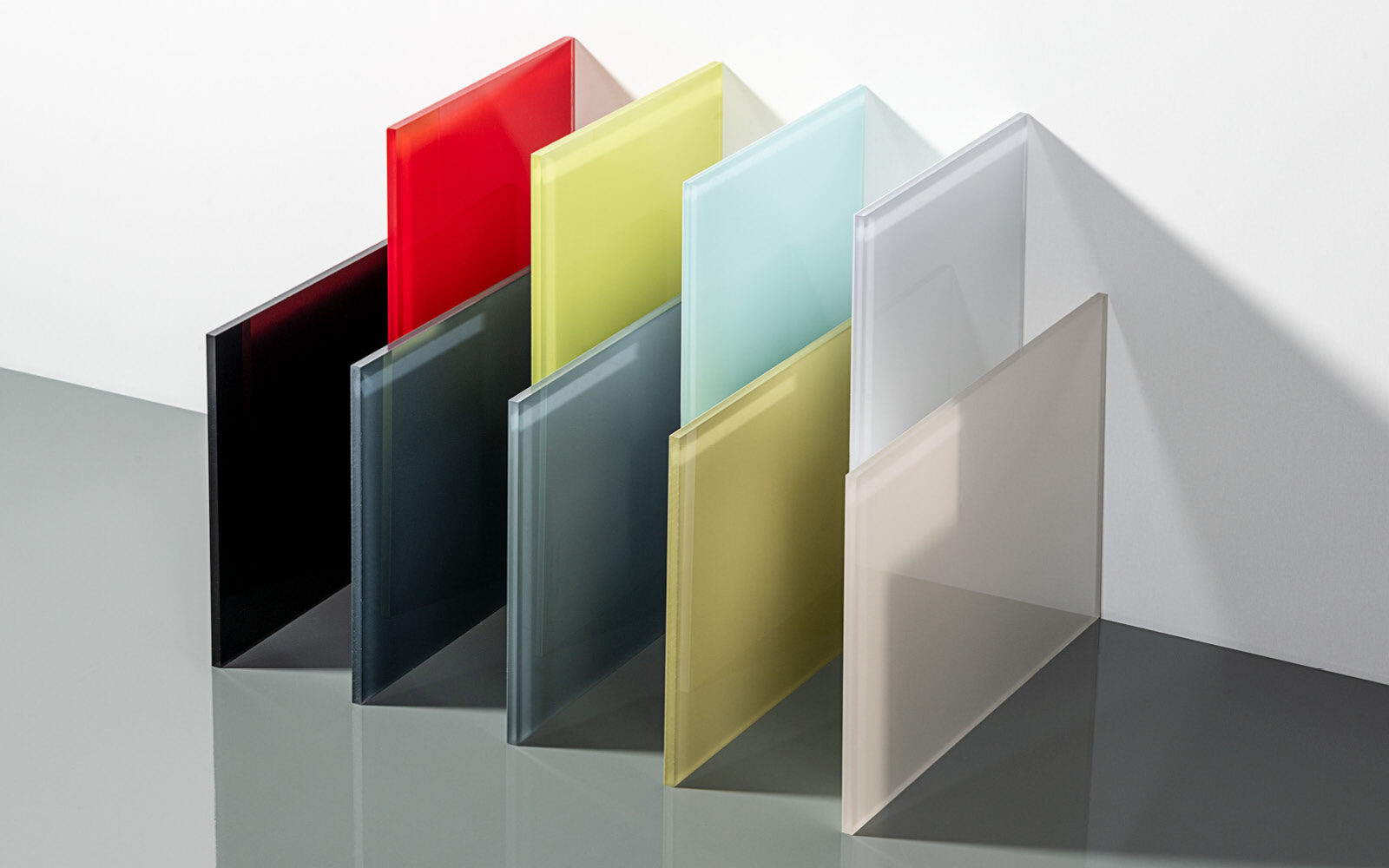
Retailers are introducing new products made from certified recycled acrylic. The acrylic products, extruded, translucent, or opaque, offer versatility without losing performance.

Why Does Sustainability Matter to Buyers?
Acrylic’s ability to be shaped with glue and heat makes it a versatile option. When produced as glossy panels or opaque grades, sustainable versions like recrylic demonstrate strong recyclability.
· Corporate Environmental Goals and ESG Criteria
ESG (Environmental, Social, Governance) investing evaluates companies not only on financial performance but also on their impact on the planet, people, and ethical governance.
Environmental criteria include carbon emissions, resource efficiency, and waste management. Social criteria cover labor practices, community engagement, and diversity. Governance criteria assess transparency, ethics, and compliance.
· Why Companies Align Purchases with ESG Targets?
Corporations increasingly integrate ESG into procurement to meet shareholder expectations and attract sustainability-focused investors. BlackRock reported that 77% of institutional investors consider ESG factors when making decisions.
Material choices (like sustainable acrylic sheets) directly affect a company’s carbon footprint reporting and supply chain sustainability scores. Buyers should request supplier ESG disclosures to ensure alignment with corporate sustainability goals.
· Brand Reputation and Consumer Expectations
70% of global consumers are willing to pay more for sustainable products (NielsenIQ, 2023). Millennials and Gen Z, who represent over 60% of global purchasing power by 2030, consistently favor brands with eco-friendly materials.
Companies use sustainability as a brand differentiator—highlighting eco-friendly materials in packaging, signage, and product design. Transparency matters as greenwashing risks damage reputation if the claims aren’t backed by certifications.
· Regulatory and Policy Influences
Government Policies: Governments worldwide are tightening regulations to reduce carbon and waste. The European Union’s Green Deal targets carbon neutrality by 2050, pushing industries to adopt sustainable materials.
Extended Producer Responsibility (EPR) laws in countries like Germany and Japan require manufacturers to manage end-of-life recycling. In the US, states like California mandate minimum recycled content in plastics.
· How Regulations Shape Procurement Choices?
Buyers must comply with legal thresholds for recycled content, emissions, and waste reduction. Construction firms in Europe increasingly source eco-certified acrylic sheets to meet EU building sustainability standards.
Procurement teams should monitor local and international regulations to avoid penalties and ensure compliance with sustainability mandates.
How Sustainability Influences Purchasing Decisions?
Cost vs Value Considerations
Short-Term Cost Premium vs Long-Term Benefits: Sustainable acrylic sheets often carry a 5–15% price premium compared to conventional options due to bio-based inputs or advanced recycling processes.
However, buyers increasingly view this premium as an investment rather than a cost. Long-term benefits include –
- Reduced carbon footprint reporting (important for ESG compliance).
- Enhanced brand reputation with eco-conscious consumers.
- Lower risk of regulatory penalties as governments tighten sustainability laws.
Total Cost of Ownership (TCO) Model
TCO considers not just purchase price but installation, maintenance, disposal, and lifecycle costs. Recyclable acrylic sheets reduce end-of-life disposal costs.
The cost can account for 10–20% of total lifecycle expenses in construction projects. Buyers should calculate carbon-adjusted TCO, factoring in emissions-related costs that may arise under future carbon taxation schemes.
Performance and Quality Expectations
Balancing Eco-Friendly Attributes with Material Performance: Buyers demand that sustainable acrylic sheets maintain clarity, durability, and weather resistance equal to or better than traditional PMMA.
Innovations in chemical recycling now produce recycled acrylic with optical clarity comparable to virgin material, addressing performance concerns.
Case Examples
- Automotive Industry: BMW has tested recycled acrylic in headlamp covers, achieving the same optical performance while reducing lifecycle emissions.
- Healthcare Sector: Hospitals in Europe use eco-certified acrylic shields in MRI housings, proving that sustainable materials can meet strict medical standards.
- Retail Displays: Global brands like Nike and IKEA use recycled acrylic in signage and fixtures, balancing aesthetics with sustainability.
Procurement Policies and Specifications
- Embedding Sustainability in RFPs and Contracts: Institutional buyers (government agencies, universities, hospitals) increasingly include sustainability clauses in Requests for Proposals (RFPs).
The EU Green Public Procurement (GPP) framework requires bidders to demonstrate eco-friendly material sourcing. In the US, federal contracts often mandate compliance with EPA sustainable materials guidelines.
Eco-Criteria in Supplier Scorecards
Procurement teams use supplier scorecards to evaluate vendors on sustainability metrics such as –
- Percentage of recycled content.
- ISO 14001 certification.
- Transparency in supply chain emissions reporting.
Walmart’s Sustainability Index ranks suppliers based on environmental impact, influencing purchasing decisions across its global supply chain.
Challenges and Limitations
Construction firms deploy take-back services for certified recycled acrylic sheets. The closed-loop system ensures plexiglas and other grades can be reprocessed, polished, and returned free from waste.
a. Higher Initial Costs than Virgin Acrylic
- Cost Differentials: Sustainable acrylic sheets often cost 5–20% more than conventional PMMA due to bio-based inputs, advanced recycling technologies, and certification expenses. For budget-sensitive buyers, especially in emerging markets, this premium can be a barrier.
- Buyer Budget Constraints: Small and medium enterprises (SMEs) may struggle to justify upfront costs, even if long-term savings exist. A retail chain in Southeast Asia delayed switching to recycled acrylic signage because the initial investment exceeded budget allocations, despite projected lifecycle savings.
b. Supply Chain Complexities
- Sourcing Recycled or Certified Inputs: Global supply chains for recycled PMMA are still fragmented. High-quality recycled acrylic requires consistent feedstock, but collection and sorting infrastructure varies widely by region.
- Certification Challenges: Obtaining certifications like ISO 14001 or Cradle to Cradle requires rigorous audits, which can be costly and time-consuming. Suppliers in developing regions often face difficulties meeting these standards, limiting buyer options.
c. Greenwashing Risks
- How to Spot Legitimate Sustainability Claims: Some manufacturers exaggerate eco-friendly attributes without verifiable data. A North American signage supplier marketed “eco-acrylic” panels but was later fined for misleading claims when audits revealed minimal recycled content.
- Red Flags: Vague terms like “eco-friendly” without quantifiable metrics. Lack of Environmental Product Declarations (EPDs) or third-party certifications. No transparency in supply chain sourcing. Buyers should demand life cycle assessments (LCAs) and EPDs to validate sustainability claims.
d. Technical Performance Trade-offs
- Performance Differences vs Traditional Acrylic: Recycled acrylic may show slight variations in optical clarity, color consistency, or mechanical strength compared to virgin PMMA. Bio-based acrylics are still in early development stages, with limited large-scale performance data.
- Real-Time Examples: Automotive suppliers report challenges in meeting OEM optical standards for headlights using recycled acrylic. In construction, recycled acrylic facade panels sometimes face UV resistance issues, though chemical recycling technologies are improving quality.
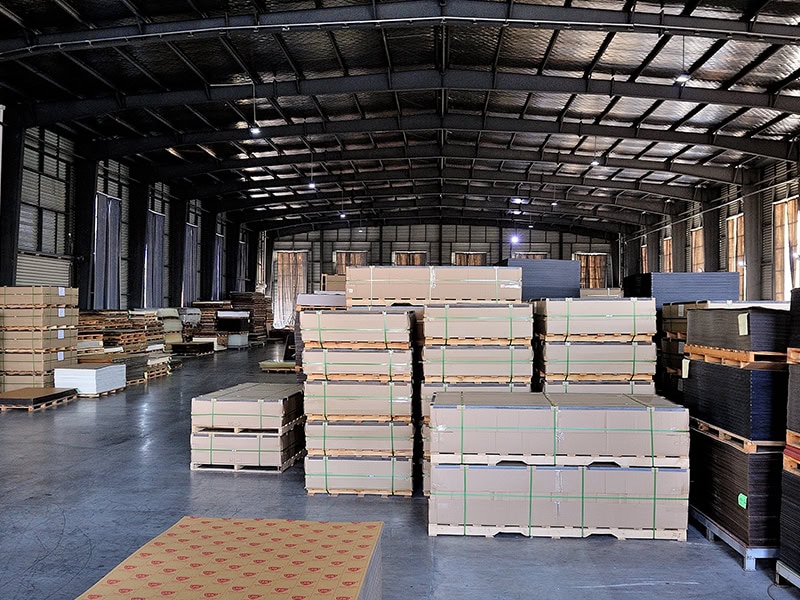
Future Outlook: Sustainable Acrylic Sheets
Sustainable acrylic products reduce greenhouse gas emissions and support eco-label compliance. It gives brands the ability to meet ESG targets while delivering high-performance elements in design.
Emerging Trends in Sustainable Acrylic Technologies
- Bio-Based PMMA: Research is advancing in plant-derived monomers (sugarcane ethanol, corn-based lactic acid) to replace fossil feedstocks.
- Hybrid Composites: Blending acrylic with natural fibers or recycled plastics to improve sustainability without sacrificing performance.
- Low-Energy Polymerization: Japan and Germany are pioneering low-temperature polymerization, reducing energy consumption by up to 20%.
- Chemical Recycling: Recovery of methyl methacrylate monomers, producing recycled acrylic with 90–95% parity to virgin PMMA in clarity and durability.
- Closed-Loop Systems: Europe is leading with pilot projects aiming to recycle 70% of post-consumer acrylic waste by 2030.
Expected Growth in Eco-Conscious Purchasing
- Construction and Architecture: By 2030, over 60% of new building projects in Europe are expected to specify eco-certified materials due to stricter green building codes.
- Retail and Consumer Goods: Global brands like Nike, IKEA, and Walmart are embedding sustainability into procurement, with recycled acrylic displays projected to grow at 8–10% CAGR.
- Automotive Industry: OEMs increasingly require ≥30% recycled content in non-critical components. By 2030, sustainable acrylics in automotive and lighting are expected to reach 40% penetration.
- Healthcare: Hospitals and medical device manufacturers are adopting eco-certified acrylic for shields and housings, driven by ISO 14001 compliance and patient safety standards.
Strategic Takeaways for Manufacturers and Buyers
- Invest in Recycling Infrastructure: Chemical recycling and closed-loop systems will be critical to meeting demand.
- Certifications Matter: ISO 14001, Cradle to Cradle, and UL ECOLOGO certifications will differentiate credible suppliers from greenwashing competitors.
- Innovation in Bio-Based Materials: Early movers in bio-PMMA will gain a competitive advantage as fossil fuel restrictions tighten.
Frequently Asked Questions (FAQs)
1) What are sustainable acrylic sheets?
Sustainable acrylic sheets are eco-friendly alternatives to traditional PMMA panels, produced using recycled or bio-based inputs, energy-efficient processes, and reduced carbon emissions.
2) How are sustainable acrylic sheets different from regular acrylic?
Unlike conventional acrylic from fossil-based feedstocks, sustainable acrylic sheets use recycled PMMA or bio-based monomers, minimizing environmental impact while maintaining clarity and durability.
3) Why is eco-friendly manufacturing important in acrylic production?
Eco-friendly manufacturing reduces carbon emissions, conserves energy, and supports circular economy practices, making acrylic sheets more sustainable and appealing to global buyers.
4) Are sustainable acrylic sheets as durable as traditional ones?
Yes. Advances in chemical recycling and bio-based PMMA ensure sustainable acrylic sheets match or exceed traditional acrylic in strength, weather resistance, and optical clarity.
5) Do sustainable acrylic sheets cost more?
Initially, they may cost 5–15% more due to advanced processes and certifications. However, long-term savings in disposal, compliance, and brand value can effectively offset the premium.
6) Can acrylic sheets be recycled?
Yes. Acrylic sheets can be mechanically or chemically recycled. Chemical recycling recovers monomers, enabling closed-loop production with near-virgin quality.
Conclusion
Sustainable acrylic sheets reflect how industries, brands, and consumers reshape purchasing decisions. And sustainability is a defining factor in competitiveness, credibility, and long-term growth. There are challenges like higher upfront costs, supply chain complexities, and performance trade-offs. Still, buyers increasingly lean toward ESG commitments, consumer expectations, and regulatory frameworks.
JUMEI: Certified Recycled Acrylic Sheets at Competitive Price
Jumei Acrylic remains committed to sustenance from its core. Every step is well-calculated and precise to lower the carbon footprint. Contact us to know how we comply with global sustainability standards.